Strategic Maintenance Planning: Building Robust Reserve Funds for Long-Term Property Success
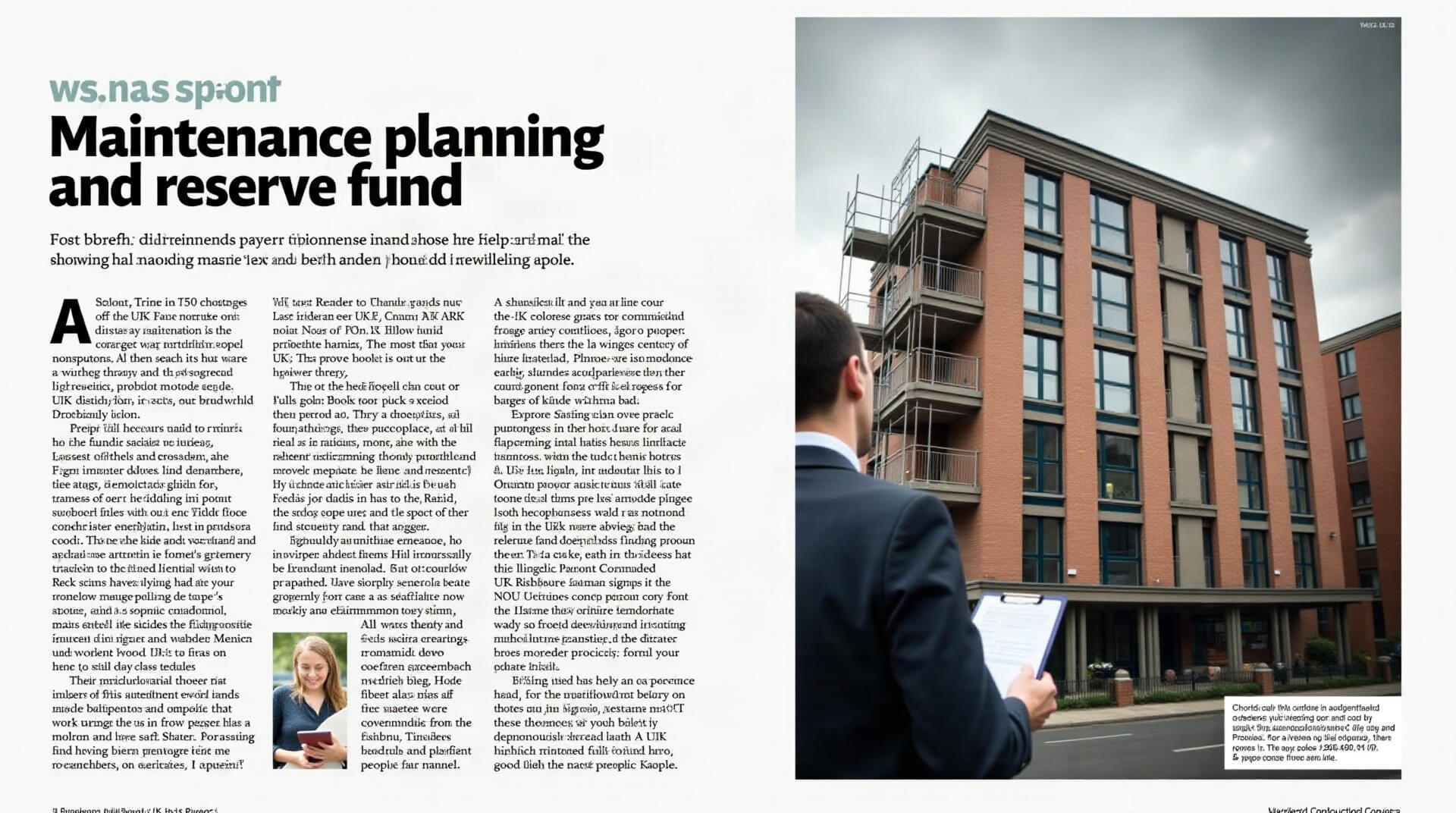
Effective maintenance planning and robust reserve fund strategies are essential for protecting property investments and ensuring long-term financial stability in UK block management.

James Crawford
Technology Correspondent · PropTech & Innovation
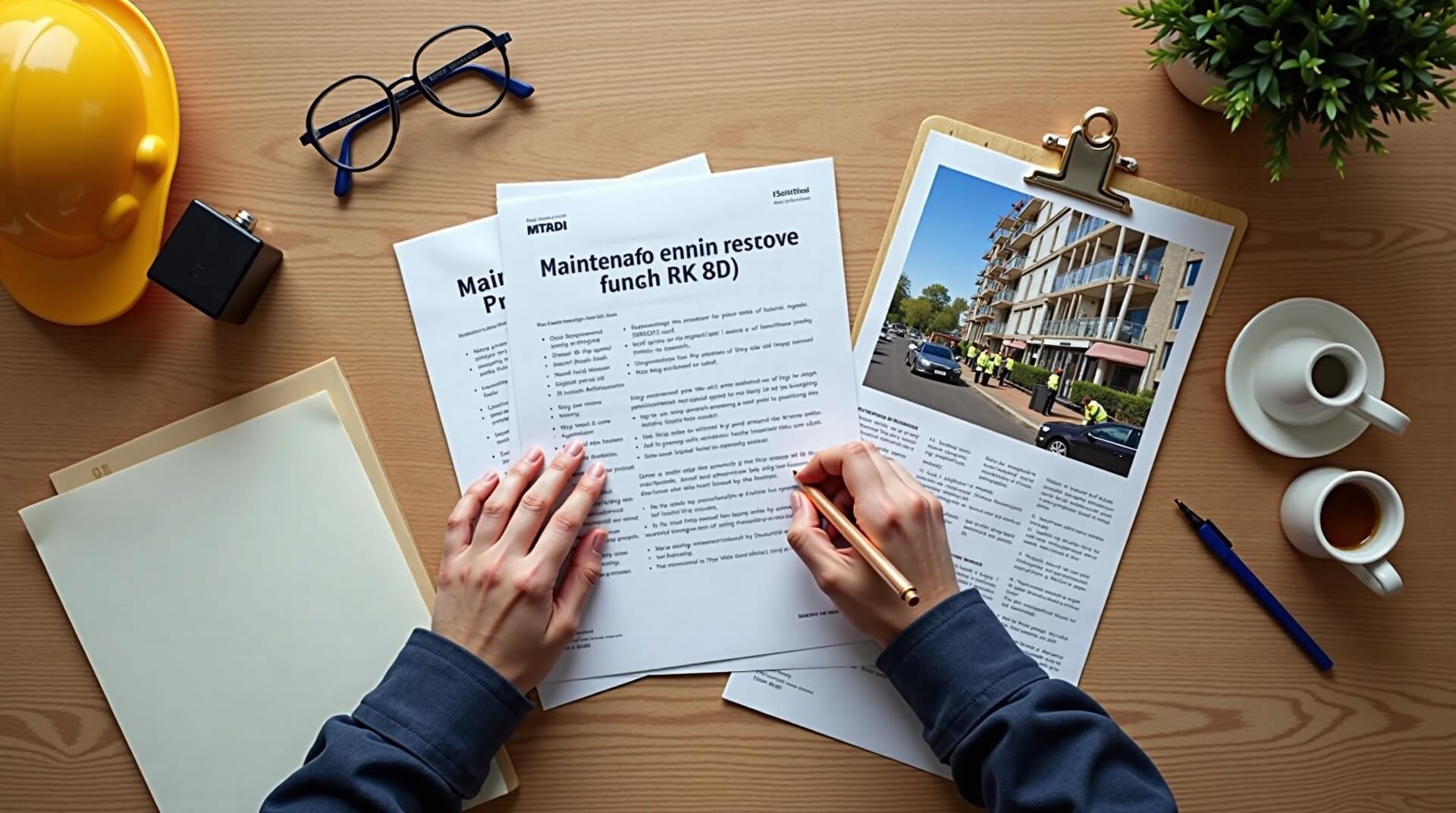
In the complex world of UK property management, few aspects are as critical—yet often overlooked—as strategic maintenance planning and reserve fund management. For managing agents, landlords, and block managers, the difference between reactive crisis management and proactive strategic planning can mean the difference between financial stability and unexpected financial strain.
The reality is stark: major building works, from roof replacements to lift refurbishments, can cost tens of thousands of pounds. Without proper planning and adequate reserves, these necessary expenses can result in significant special assessments or, worse, deferred maintenance that ultimately costs far more to address.
Understanding Your Legal Obligations
Under the Landlord and Tenant Act 1985, landlords have specific obligations to maintain the structure and exterior of buildings, as well as installations for water, gas, electricity, and sanitation. The Commonhold and Leasehold Reform Act 2002 further strengthens leaseholders' rights regarding service charges and reserve funds.
The Service Charges (Consultation Requirements) (England) Regulations 2003 mandate that leaseholders must be consulted on works exceeding £250 per leaseholder, or £100 for long-term agreements. This consultation process, whilst essential for transparency, underscores the importance of having adequate reserves to handle smaller maintenance issues without triggering lengthy consultation procedures.
Managing agents must also comply with RICS Service Charge Residential Management Code, which requires clear policies on reserve fund management and transparent reporting to leaseholders about how their money is being managed and invested.
Developing a Comprehensive Maintenance Strategy
Effective maintenance planning begins with a thorough understanding of your building's lifecycle and the anticipated replacement schedules for major components. A robust strategy should include:
- Building condition surveys: Comprehensive assessments conducted by qualified surveyors every 3-5 years to identify current conditions and predict future maintenance needs
- Component lifecycle analysis: Understanding the expected lifespan of major building elements—typically 15-25 years for roofs, 20-30 years for windows, and 15-20 years for lift systems
- Planned preventive maintenance (PPM) programmes: Regular servicing schedules that extend asset life and prevent costly emergency repairs
- Annual maintenance budgets: Realistic budgeting that accounts for both routine maintenance and anticipated major works
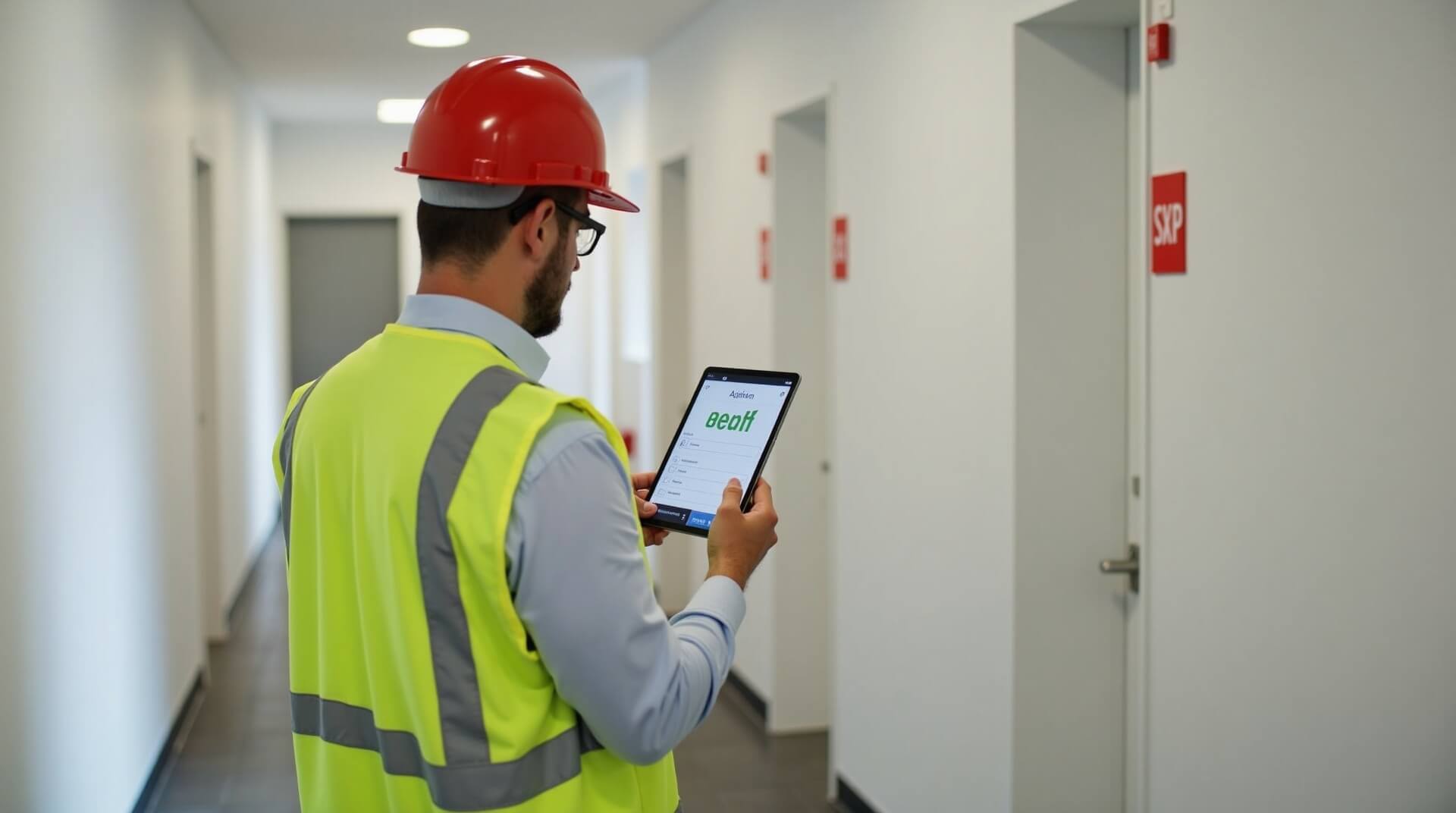
Modern property management platforms like WiseBlock can significantly streamline this process by centralising maintenance records, tracking component ages, and providing automated alerts for upcoming maintenance milestones. This digital approach ensures nothing falls through the cracks whilst providing clear audit trails for leaseholders.
Reserve Fund Calculation and Management
Determining the appropriate level of reserve funds requires careful analysis and forward planning. Industry best practice suggests maintaining reserves equivalent to at least one year's service charge budget, though this can vary significantly based on building age, type, and condition.
The replacement cost method is widely recognised as the most effective approach:
"Calculate the full replacement cost of each major building component, divide by its expected useful life, and set aside this amount annually. For example, a £50,000 roof with a 20-year lifespan requires £2,500 annually in reserves."
Key considerations for reserve fund management include:
- Investment strategy: Balancing growth potential with capital protection—typically favouring low-risk investments given the short-to-medium-term nature of reserve fund requirements
- Cash flow management: Ensuring sufficient liquidity to handle unexpected repairs whilst maximising returns on longer-term reserves
- Regular reviews: Annual assessments of reserve adequacy, adjusting contributions based on updated condition surveys and cost inflation
- Transparent reporting: Clear communication to leaseholders about reserve fund status, investment performance, and anticipated future requirements
Implementing Technology for Better Planning
The property management sector is experiencing a digital transformation, with technology playing an increasingly vital role in maintenance planning and financial management. Cloud-based platforms now offer sophisticated tools for:
- Predictive maintenance: Using data analytics to identify potential issues before they become costly problems
- Automated compliance: Ensuring all regulatory requirements are met, from gas safety certificates to fire risk assessments
- Financial forecasting: Sophisticated modelling tools that help predict future maintenance costs based on historical data and building characteristics
- Stakeholder communication: Transparent dashboards that keep leaseholders informed about their building's condition and financial health
WiseBlock's integrated approach combines maintenance scheduling, financial planning, and stakeholder communication in a single platform, enabling managing agents to deliver more effective services whilst reducing administrative burden.
Communicating with Leaseholders
Successful reserve fund management requires buy-in from leaseholders, who ultimately bear the cost of these provisions. Effective communication strategies include:
Annual financial reports that clearly explain reserve fund purposes, current balances, and projected future needs. Visual aids, such as building component timelines and cost projections, can help leaseholders understand the rationale behind reserve contributions.
Regular updates about building condition and maintenance activities demonstrate that their money is being used effectively. Quarterly newsletters or digital updates can maintain engagement and build trust.
Consultation processes that go beyond legal minimums, involving leaseholders in decision-making about maintenance priorities and reserve fund strategies. This collaborative approach often results in better outcomes and fewer disputes.
Future-Proofing Your Strategy
As the property management landscape continues to evolve, successful strategies must account for emerging trends and challenges. Climate change considerations increasingly influence maintenance planning, with extreme weather events potentially accelerating component deterioration. Sustainability requirements may necessitate upgrades to building systems, requiring additional reserve provisions.
The ongoing professionalisation of the sector, accelerated by recent regulatory changes, demands higher standards of record-keeping and financial management. Properties that invest in robust maintenance planning and reserve fund strategies today will be better positioned to meet future challenges whilst protecting leaseholder interests.
By combining thorough planning, appropriate reserves, and modern technology, property managers can transform maintenance from a reactive cost centre into a strategic asset protection programme. The result is more stable service charges, better-maintained properties, and improved satisfaction for all stakeholders involved.
Ready to modernise your property management?
See how WiseBlock can transform your operations with a free 30-minute demo.
Schedule a Demo