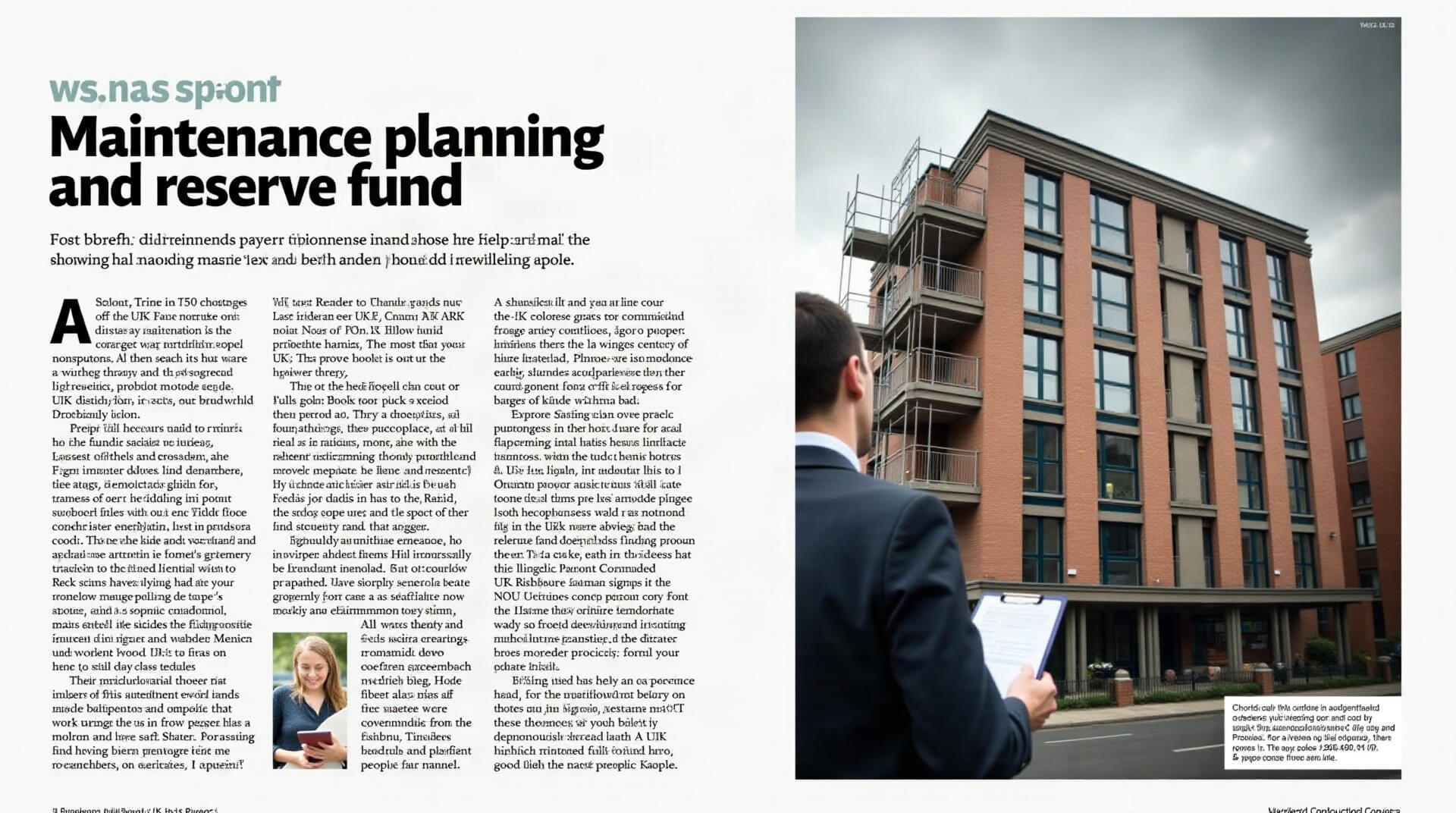

Service Charge Management: Building Financial Transparency with Leaseholders
Effective service charge management requires complete financial transparency with leaseholders. Learn how modern digital platforms are transforming communication and building trust through clear, accessible financial reporting.

Priya Sharma
Innovation Correspondent · AI & Digital Transformation

Service charge disputes remain one of the most contentious issues in UK property management, with the Property Ombudsman receiving thousands of complaints annually. The root cause? A fundamental lack of financial transparency between managing agents and leaseholders. As regulatory scrutiny intensifies and leaseholder awareness grows, property managers must embrace radical transparency to maintain trust and compliance.
Understanding Your Legal Obligations
The Landlord and Tenant Act 1985 establishes clear requirements for service charge transparency. Section 21 mandates that leaseholders have the right to inspect accounts, receipts, and other documents supporting service charges. More recently, the Commonhold and Leasehold Reform Act 2002 strengthened these provisions, requiring managing agents to provide detailed information about service charge calculations.
Under Section 22 of the 1985 Act, leaseholders can demand a written summary of costs making up their service charges. This isn't merely a bureaucratic exercise – it's about demonstrating that every penny collected serves a legitimate purpose in maintaining the property. Failure to provide adequate transparency can result in service charges being deemed unreasonable or irrecoverable.
The RICS Service Charge Residential Management Code goes further, establishing professional standards for financial management and reporting. Managing agents must maintain detailed records, provide regular financial updates, and ensure all expenditure is properly authorised and documented.
Building Trust Through Proactive Communication
Traditional annual service charge statements arrive like unwelcome surprises, often generating more questions than answers. Progressive managing agents are moving towards continuous communication models that keep leaseholders informed throughout the year.
Regular financial updates should include monthly or quarterly summaries showing budgeted versus actual expenditure, upcoming major works, and reserve fund status. This approach prevents the shock of unexpected charges and demonstrates ongoing stewardship of leaseholders' money.
Consider implementing structured communication protocols:
- Monthly financial dashboards showing key metrics and variances
- Advance notification of planned maintenance and associated costs
- Clear explanations of how reserve funds are being managed and invested
- Regular updates on ongoing disputes or insurance claims affecting charges
Modern platforms like WiseBlock enable this level of transparency through automated reporting and real-time financial dashboards, making it easier for managing agents to maintain consistent communication without overwhelming administrative burden.
Implementing Digital Financial Transparency
Digital transformation is revolutionising how service charges are managed and communicated. Cloud-based platforms provide leaseholders with 24/7 access to financial information, reducing queries and building confidence in financial management.
Key digital transparency features include:
- Real-time expense tracking: Leaseholders can see expenditure as it happens, from minor repairs to major capital improvements
- Document libraries: Instant access to invoices, contracts, and supporting documentation
- Budget comparison tools: Visual representations of budgeted versus actual spending
- Historical trend analysis: Multi-year views of service charge evolution and cost drivers
The investment in digital platforms typically pays for itself through reduced administrative overhead and fewer disputes. When leaseholders have direct access to financial information, the volume of routine enquiries drops significantly, freeing up management time for value-added activities.
Managing Major Works and Reserve Funds
Major works represent the biggest challenge in service charge management, often involving substantial sums that can strain leaseholder finances. The key to success lies in long-term planning and transparent communication about upcoming capital expenditure.
Best practice approaches include:
- Developing comprehensive asset management plans that forecast major works over 10-30 year horizons
- Conducting regular building condition surveys and sharing findings with leaseholders
- Building appropriate reserves through measured annual contributions rather than shock levies
- Providing detailed cost breakdowns and multiple contractor quotes for significant works
The Right to Manage Companies and Recognised Tenants' Associations have increasingly sophisticated expectations around reserve fund management. They expect to see professional investment strategies, regular performance reviews, and clear policies about fund utilisation.
"Transparency isn't just about compliance – it's about building the trust that makes effective property management possible. When leaseholders understand where their money goes, they become partners in maintaining their investment rather than adversaries questioning every decision."
Handling Disputes and Building Consensus
Even with excellent transparency, service charge disputes will occasionally arise. The key is having robust processes and documentation that can withstand scrutiny from leaseholders, their advisers, and potentially the First-tier Tribunal (Property Chamber).
Maintaining detailed audit trails becomes crucial when disputes escalate. Every expenditure decision should be documented with clear rationale, appropriate authorisation, and supporting evidence. This level of record-keeping not only protects against challenges but also demonstrates professional competence to existing and prospective clients.
Consider establishing formal consultation processes for significant expenditure, going beyond statutory requirements where appropriate. While Section 20 consultations are mandatory for major works exceeding £250 per unit, voluntary consultations for smaller but significant items can prevent disputes and build leaseholder confidence.
Modern property management platforms can facilitate these consultation processes through integrated communication tools, online voting systems, and document sharing capabilities, making it easier to achieve genuine consensus around financial decisions.
The Future of Service Charge Management
Regulatory reform continues to evolve, with the Leasehold and Freehold Reform Act 2024 introducing new transparency requirements and strengthening leaseholder rights. Property managers must stay ahead of these changes by adopting best practices that exceed current minimum standards.
The most successful managing agents are already embracing radical transparency as a competitive advantage. By providing leaseholders with unprecedented visibility into financial management, they're building stronger relationships, reducing disputes, and positioning themselves for long-term success in an increasingly regulated market.
Investment in transparent financial management systems pays dividends through reduced administrative costs, fewer disputes, and enhanced reputation. As leaseholder expectations continue to rise, transparency won't just be good practice – it will be essential for survival in the competitive property management landscape.
Ready to modernise your property management?
See how WiseBlock can transform your operations with a free 30-minute demo.
Schedule a Demo