Essential Insurance Requirements for UK Residential Blocks: A Complete Guide
Managing insurance for residential blocks requires understanding complex legal obligations and coverage types. This comprehensive guide covers mandatory requirements, best practices, and how modern platforms can streamline compliance.

Priya Sharma
Innovation Correspondent · AI & Digital Transformation
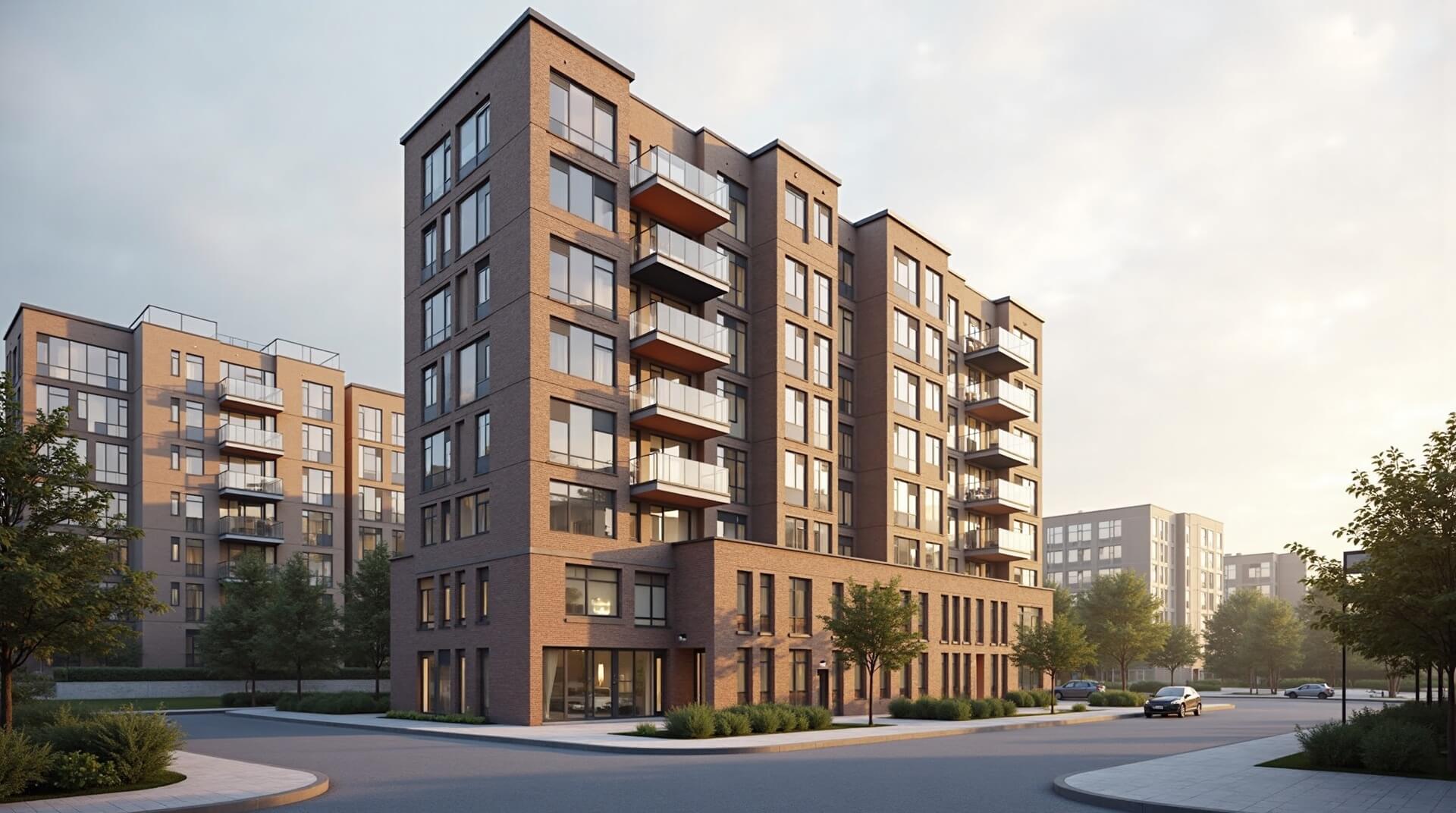
Insurance for residential blocks represents one of the most critical yet complex aspects of property management in the UK. With evolving regulations, increasing claim costs, and growing tenant expectations, managing agents and freeholders must navigate a sophisticated landscape of coverage requirements whilst ensuring full legal compliance.
The consequences of inadequate insurance can be devastating—from personal liability for managing agents to service charge disputes and, in worst-case scenarios, inability to rebuild following major damage. Understanding these requirements isn't just about compliance; it's about protecting your business, your residents, and your reputation.
Legal Framework and Mandatory Requirements
Under the Landlord and Tenant Act 1985, freeholders have a statutory obligation to maintain buildings insurance for the structure and common parts of residential blocks. This isn't optional—it's a legal requirement that forms part of the landlord's repairing covenant.
The Commonhold and Leasehold Reform Act 2002 further clarifies these obligations, requiring that insurance costs be reasonable and that leaseholders have rights to information about insurance arrangements. Managing agents acting on behalf of freeholders inherit these responsibilities and can face personal liability if obligations aren't met.
Recent changes under the Building Safety Act 2022 have introduced additional considerations, particularly for high-rise residential buildings. The Act emphasises the need for comprehensive risk assessment and appropriate coverage levels, with the new building safety regime requiring detailed insurance documentation as part of safety case submissions.
"The regulatory landscape has shifted significantly since Grenfell. Insurance isn't just about covering rebuild costs anymore—it's about demonstrating a comprehensive approach to risk management," notes a recent Arthur Online analysis of post-Grenfell insurance requirements.
Essential Coverage Types
Buildings Insurance forms the foundation of any residential block insurance programme. This must cover the full reinstatement cost of the building, including all fixtures and fittings that form part of the structure. Recent market conditions have seen reinstatement costs rise dramatically—many blocks are discovering they're significantly underinsured when claims arise.
Public Liability Insurance is equally critical, covering claims from third parties who suffer injury or property damage on common parts of the building. Minimum coverage levels of £2 million are standard, though many managing agents opt for higher limits given the potential scale of claims in multi-occupancy buildings.
Employers' Liability Insurance becomes mandatory where the management company employs staff directly—caretakers, cleaners, or maintenance personnel. This is a legal requirement under the Employers' Liability (Compulsory Insurance) Act 1969, with minimum coverage of £5 million.
Additional coverage considerations include Loss of Rent (covering service charge shortfalls when flats become uninhabitable), Trace and Access (for locating sources of water damage), and Professional Indemnity for managing agents themselves.
Compliance and Documentation Requirements
Proper documentation is essential for demonstrating compliance with legal obligations. The Service Charges (Consultation Requirements) (England) Regulations 2003 mandate specific consultation procedures when insurance costs exceed certain thresholds, typically when changing insurers or when premiums increase significantly year-on-year.
Managing agents must maintain comprehensive records including:
- Current insurance certificates and policy documentation
- Evidence of consultation with leaseholders where required
- Regular property valuations supporting coverage levels
- Claims history and correspondence with insurers
- Risk assessments and mitigation measures
The Right to Manage provisions under the Commonhold and Leasehold Reform Act give leaseholders specific rights to information about insurance arrangements. This includes details of coverage, premium costs, and claims history. Failure to provide this information can result in service charge challenges and potential legal action.
Market Challenges and Rising Costs
The UK residential block insurance market has faced significant challenges in recent years. Following major incidents like Grenfell Tower, insurers have fundamentally reassessed risk, leading to capacity constraints and premium increases across the sector.
Cladding and building safety issues have created particular complications. Many blocks with non-compliant cladding systems have found insurance difficult to obtain or prohibitively expensive. The government's various remediation schemes have provided some relief, but insurance implications often persist throughout the remediation process.
Digital transformation offers part of the solution to these market pressures. Modern property management platforms like WiseBlock enable more sophisticated risk management through better data collection, proactive maintenance scheduling, and comprehensive documentation—all factors that insurers increasingly value when assessing risk and setting premiums.
Best Practices and Future-Proofing
Successful insurance management requires a proactive approach that goes beyond simply renewing policies annually. Regular building valuations—ideally every three years—ensure coverage levels remain adequate as construction costs rise. Professional valuations also demonstrate due diligence to both leaseholders and insurers.
Risk management integration represents the future of residential block insurance. This involves connecting insurance requirements with day-to-day property management activities—using maintenance data to support premium negotiations, implementing preventive measures that reduce claims likelihood, and maintaining detailed incident logs that demonstrate active risk management.
Technology platforms are increasingly important in this integration. Comprehensive property management systems can maintain insurance documentation, track renewal dates, manage claims processes, and provide the detailed reporting that modern insurers require for risk assessment.
Stakeholder communication remains crucial throughout the insurance process. Clear, regular communication with leaseholders about insurance arrangements, costs, and claims helps prevent disputes and demonstrates the transparency that regulations require. This is particularly important during renewal periods when premium increases may necessitate formal consultation processes.
Looking Ahead
The residential block insurance landscape will continue evolving as building safety regulations mature and insurers adapt their approaches to high-rise risk. Managing agents who embrace comprehensive risk management, invest in proper documentation systems, and maintain clear communication with all stakeholders will be best positioned to navigate these changes successfully.
Insurance requirements for residential blocks extend far beyond simple compliance—they represent a fundamental aspect of professional property management that protects all stakeholders' interests. By understanding legal obligations, maintaining comprehensive coverage, and implementing modern management practices, managing agents can ensure they meet both regulatory requirements and their professional duties to the communities they serve.
Ready to modernise your property management?
See how WiseBlock can transform your operations with a free 30-minute demo.
Schedule a Demo