Essential Insurance Requirements for UK Residential Blocks
Understanding mandatory insurance requirements and best practices for UK residential blocks is crucial for managing agents and freeholders to ensure adequate protection and regulatory compliance.

David Okafor
Safety & Compliance Editor · Fire Safety & Building Regulations
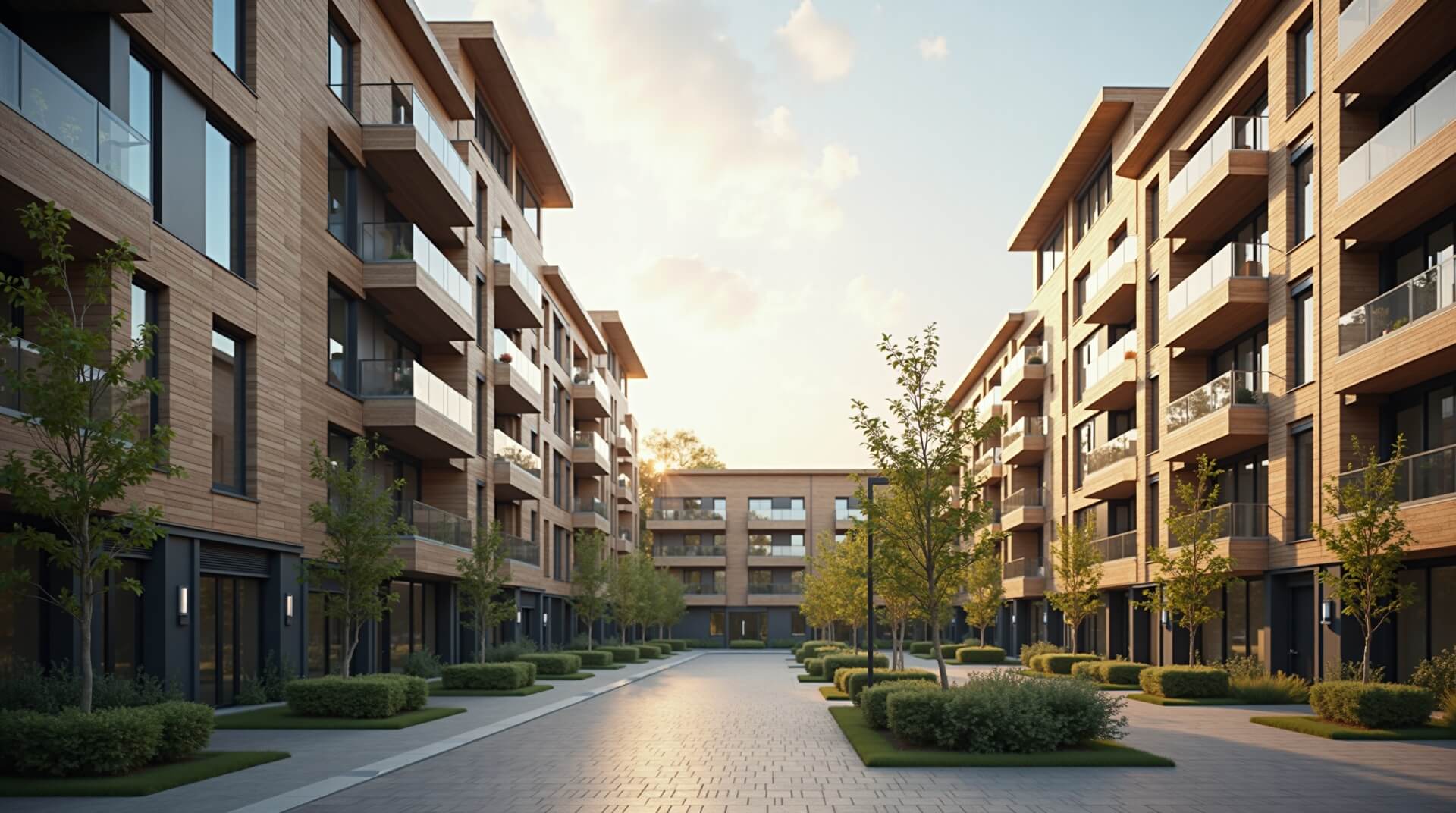
Managing insurance for residential blocks in the UK involves navigating complex regulatory requirements, evolving legislation, and the need to protect both property owners and residents. With the introduction of the Building Safety Act 2022 and ongoing changes to fire safety regulations, understanding your insurance obligations has never been more critical.
Mandatory Insurance Requirements Under UK Law
Under the Landlord and Tenant Act 1985, freeholders and managing agents have specific obligations regarding insurance for residential blocks. Section 19 requires that service charges, including insurance premiums, must be reasonable and that landlords must take out adequate insurance cover for the building.
The key mandatory requirements include:
- Buildings insurance covering the structure, common areas, and shared facilities
- Public liability insurance with minimum cover typically ranging from £2-10 million
- Employers' liability insurance if the block employs staff directly
- Professional indemnity insurance for managing agents and property managers
The Defective Premises Act 1972 also places ongoing liability on those involved in the construction or maintenance of buildings, making comprehensive insurance coverage essential for long-term protection.
Building Safety Act 2022 Impact on Insurance
The Building Safety Act has significantly altered the insurance landscape for residential blocks, particularly those over 18 metres or with seven or more storeys. Accountable Persons now face enhanced duties that directly impact insurance requirements.
Key changes include:
- Enhanced fire risk assessments may reveal previously unknown risks affecting premiums
- Mandatory building safety cases requiring detailed documentation that insurers will scrutinise
- Increased liability exposure for building safety failures
- Requirements for ongoing monitoring and maintenance that insurers expect to be properly managed
Many insurers are now requesting copies of fire risk assessments, EWS1 forms, and building safety documentation before providing quotes. This shift towards risk-based underwriting means blocks with outstanding safety issues may face higher premiums or coverage exclusions.
Essential Coverage Types and Recommended Limits
Buildings Insurance should cover the full reinstatement value of the property, not just market value. This includes the cost of demolition, site clearance, and rebuilding to current building standards. Many policies now include automatic indexation to account for inflation in construction costs.
Public Liability Insurance protects against claims from third parties for injury or property damage. The Association of Residential Managing Agents (ARMA) recommends minimum cover of £6 million, though many insurers now suggest £10 million for larger developments.
Management Liability Insurance has become increasingly important, covering directors and officers of resident management companies against personal liability claims. This is particularly relevant given the expanded duties under the Building Safety Act.
Additional coverage to consider includes:
- Loss of rent cover for buy-to-let investors
- Alternative accommodation costs for residents during repairs
- Cyber liability insurance for blocks using smart building technology
- Legal expenses insurance for dispute resolution
Common Insurance Challenges and Solutions
The current insurance market presents several challenges for residential blocks. Cladding-related issues continue to impact availability and pricing of cover, with many insurers excluding or limiting fire-related claims for buildings with certain external wall systems.
Water damage claims have also increased significantly, leading to higher excesses and more stringent underwriting. Insurers now expect evidence of regular maintenance, leak detection systems, and prompt repair of defects.
To address these challenges:
- Maintain comprehensive building records and safety documentation
- Implement preventive maintenance programmes
- Consider appointing specialist insurance brokers with residential block expertise
- Review coverage annually to ensure adequacy as values and risks change
Modern property management platforms like WiseBlock can help by centralising documentation, tracking maintenance schedules, and providing the detailed records that insurers increasingly demand during the underwriting process.
Best Practices for Managing Block Insurance
Effective insurance management requires a proactive approach. Start by conducting annual insurance reviews, ideally 90 days before renewal, to allow sufficient time for market exploration and documentation gathering.
Documentation is crucial. Maintain up-to-date schedules of insurance, ensure all leaseholders receive annual insurance statements as required by law, and keep detailed records of claims and risk improvements.
Consider the benefits of long-term agreements where appropriate, but balance this against the need for regular market testing. Some blocks benefit from three-year agreements with annual review mechanisms, providing stability while maintaining competitive pricing.
Engage with residents through regular communication about insurance matters. This helps identify potential claims early and demonstrates the managing agent's professional approach to risk management.
Remember that insurance is not just about compliance—it's about protecting the long-term value of the property and the interests of all stakeholders in the building.
As the regulatory landscape continues to evolve, staying informed about insurance requirements and maintaining comprehensive coverage will remain essential for successful residential block management. Regular professional advice and systematic risk management will help ensure your block remains properly protected in an increasingly complex market.
Ready to modernise your property management?
See how WiseBlock can transform your operations with a free 30-minute demo.
Schedule a Demo