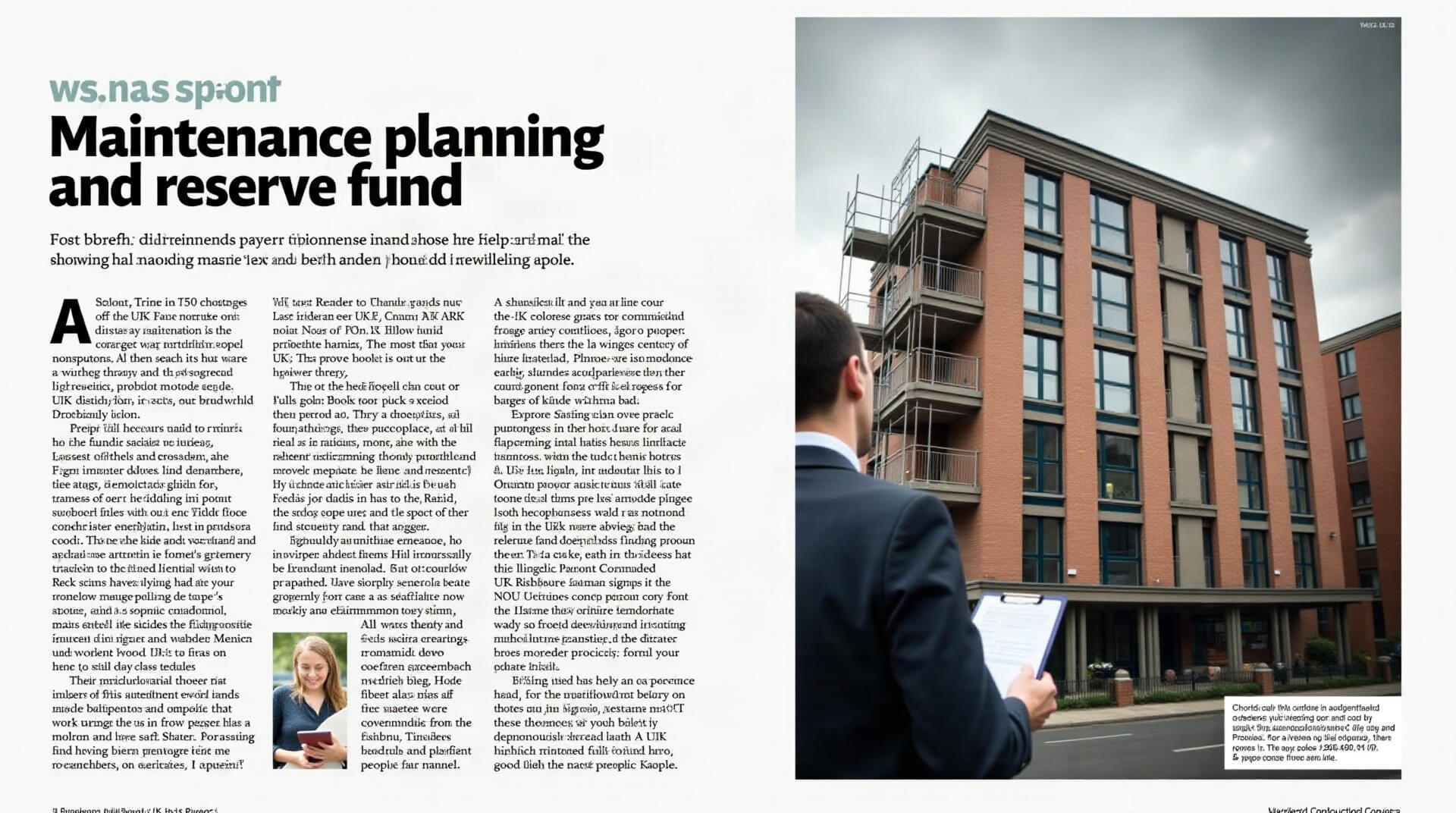

Insurance Requirements for UK Residential Blocks: A Complete Guide
Understanding the complex insurance requirements for residential blocks is crucial for managing agents and landlords to ensure adequate protection and legal compliance across all property types.

Sarah Mitchell
Senior Editor · Legislation & Compliance

Insurance for residential blocks represents one of the most critical yet complex aspects of property management in the UK. With multiple stakeholders, varying property types, and evolving legal requirements, ensuring adequate coverage whilst managing costs requires careful consideration and expert knowledge.
The consequences of inadequate insurance can be catastrophic – from personal liability for managing agents to substantial financial losses for leaseholders. This comprehensive guide explores the essential insurance requirements for residential blocks, helping managing agents, landlords, and block managers navigate this complex landscape with confidence.
Core Insurance Requirements Under UK Law
The legal framework surrounding residential block insurance is primarily governed by the Landlord and Tenant Act 1985 and the Commonhold and Leasehold Reform Act 2002. These acts establish fundamental obligations for freeholders and managing agents to maintain adequate insurance coverage.
Under Section 19 of the Landlord and Tenant Act 1985, landlords must ensure that insurance premiums charged to leaseholders are reasonable and that the insurance provides adequate coverage for the property. The Act also requires that leaseholders have the right to inspect insurance policies and related documents upon reasonable notice.
For leasehold properties, the lease agreement typically specifies insurance obligations, but legal minimums still apply. Buildings insurance is mandatory and must cover the full reinstatement value of the property, including common areas, structural elements, and fixed installations.
Essential Types of Coverage
Buildings Insurance
Buildings insurance forms the cornerstone of residential block coverage and must include:
- Structural damage from fire, flood, storm, and subsidence
- Common areas including lobbies, stairwells, lifts, and roof spaces
- Fixed installations such as central heating systems, door entry systems, and communal lighting
- External areas including car parks, gardens, and boundary walls
- Alternative accommodation costs for residents during major repairs
The sum insured should reflect current reinstatement costs, not market value. Regular professional valuations are essential, as underinsurance can void claims entirely under the 'average clause' commonly found in commercial policies.
Public and Employer's Liability Insurance
Public liability insurance is legally required under the Defective Premises Act 1972 and must provide minimum coverage of £2 million, though £5-10 million is increasingly standard for larger developments. This covers:
- Injuries to residents, visitors, or contractors on common property
- Damage to third-party property caused by the building or its management
- Legal costs and compensation claims
Employer's liability insurance is mandatory where staff are employed, covering work-related injuries or illnesses affecting caretakers, cleaners, or maintenance personnel.
Professional Indemnity and Management Considerations
Managing agents face significant professional risks requiring specialised coverage. Professional indemnity insurance protects against claims arising from:
- Negligent advice or service delivery
- Breaches of regulatory requirements under RICS or ARMA standards
- Financial losses due to administrative errors
- Data protection breaches under GDPR regulations
The Property Ombudsman scheme and ARMA-Q certification often require specific professional indemnity coverage levels, typically ranging from £250,000 for smaller portfolios to several million pounds for major managing agents.
Modern property management platforms like WiseBlock can help managing agents maintain better records and communication trails, potentially reducing professional liability risks through improved documentation and transparent resident communications.
Specialist Considerations for Different Property Types
Period and Listed Buildings
Historic properties require specialist insurers familiar with:
- Heritage construction methods and materials
- Listed building consent requirements for repairs
- Specialist craftsmen and restoration techniques
- Extended reinstatement periods due to planning complexities
High-Rise and Complex Developments
Following the Grenfell tragedy, high-rise buildings face additional requirements:
- Enhanced fire risk assessments under the Fire Safety Act 2021
- Cladding-specific coverage for remediation works
- Increased public liability limits reflecting higher occupancy
- Business interruption insurance for extended evacuation periods
Cost Management and Claims Procedures
Insurance represents a significant service charge component, typically 10-20% of annual costs. Effective management requires:
Annual market testing: Insurance markets fluctuate significantly, particularly following major industry losses. Annual broker reviews ensure competitive pricing whilst maintaining adequate coverage.
Claims management: Prompt notification and professional handling are crucial. Many policies include 'claims control clauses' requiring insurer consent before appointing loss adjusters or contractors. Maintaining detailed photographic records and using platforms like WiseBlock for incident reporting can expedite the claims process.
"The key to successful insurance management is understanding that the cheapest premium rarely represents the best value. Adequate coverage levels and responsive claims handling far outweigh marginal premium savings when losses occur."
Risk mitigation: Proactive maintenance, regular safety inspections, and comprehensive incident reporting can reduce claims frequency and improve premium negotiations. Many insurers offer premium discounts for well-managed properties with strong risk management procedures.
Future Considerations and Regulatory Changes
The insurance landscape continues evolving following recent legislative changes:
The Building Safety Act 2022 introduces new duties for 'Accountable Persons' in high-risk buildings, with potential insurance implications for compliance failures. Managing agents must ensure policies cover regulatory penalties and remediation costs.
Climate change impacts are driving increased flood and storm damage claims, whilst cyber risks grow as property management becomes increasingly digital. Forward-thinking managing agents are reviewing coverage for these emerging risks.
Professional development through bodies like RICS and ARMA helps managing agents stay current with evolving requirements, whilst regular policy reviews ensure coverage remains adequate as buildings and risks change over time.
Ultimately, comprehensive insurance coverage provides the foundation for responsible property management, protecting all stakeholders whilst ensuring compliance with the complex web of UK property legislation. The investment in adequate coverage and professional advice invariably proves worthwhile when claims arise.
Ready to modernise your property management?
See how WiseBlock can transform your operations with a free 30-minute demo.
Schedule a Demo