Automated Bank Reconciliation: The End of Manual Statement Processing
AI-powered bank statement processing is saving property accountants hours of manual work every week. Here's how it works.

Emma Richardson
Finance Editor · Financial Management
The manual problem
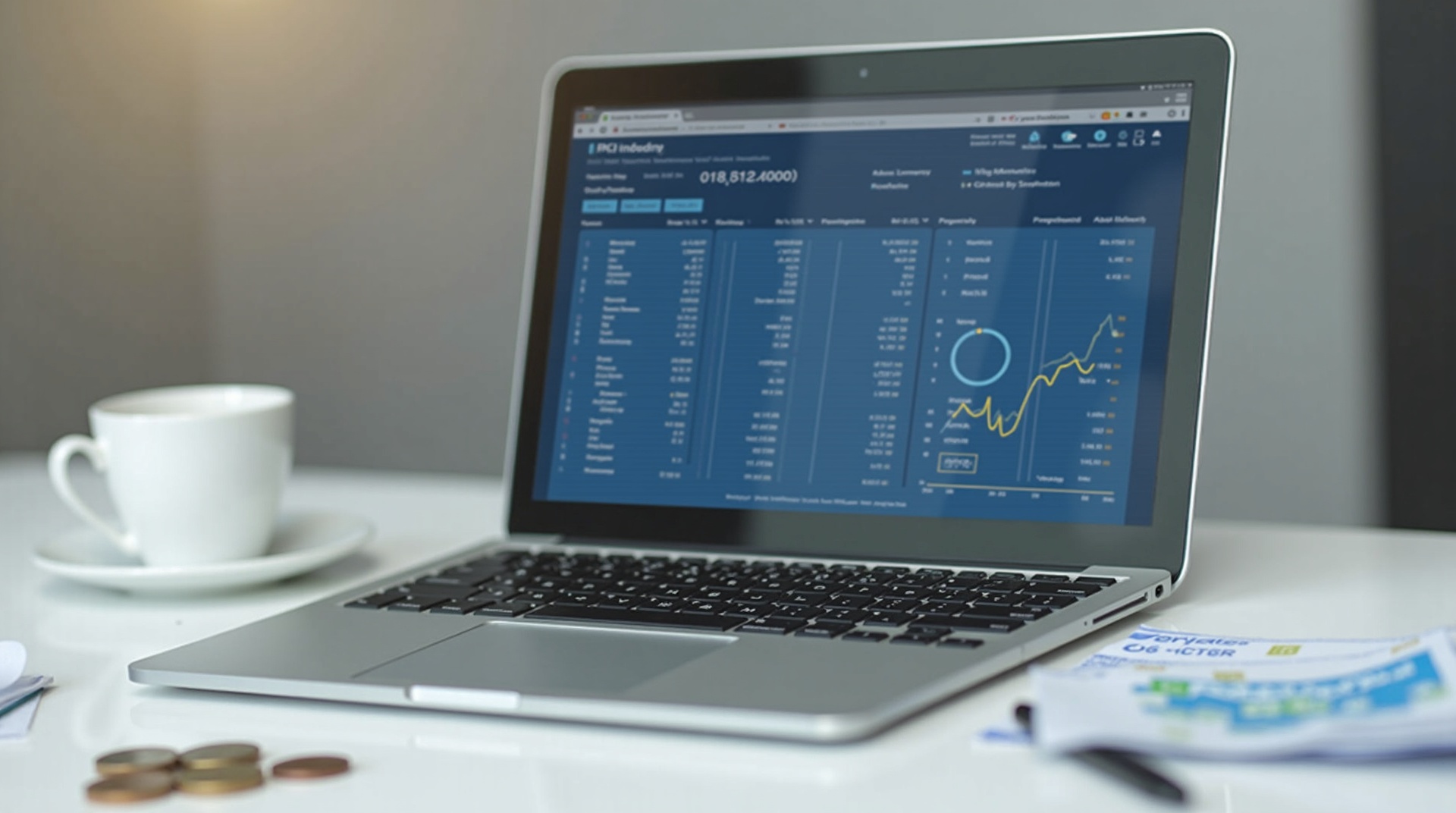
Ask any property accountant about their least favourite task, and bank reconciliation will be near the top. Downloading statements, manually entering each transaction, categorising payments, matching them to residents — it's repetitive, error-prone, and time-consuming. For a portfolio of 20+ buildings, it can consume an entire day every week.
How AI changes the process
Modern AI bank specialists can read a PDF or CSV bank statement and extract every transaction automatically. The AI identifies the date, amount, description, and payee for each entry, then suggests the most likely category based on the description pattern.
The result? A reconciliation that used to take 4 hours now takes 15 minutes of review and approval.
Accuracy and trust
The natural concern with AI-processed data is accuracy. The best implementations — like WiseBlock's Bank Specialist — present extracted transactions for human review before committing them to the ledger. You see every transaction, approve or edit the categorisation, and confirm before anything is recorded. The AI does the extraction; you maintain control.
Beyond reconciliation
Once transactions are in the system, they feed into everything else — resident account balances, arrears reports, fiscal year summaries, and compliance documentation. Automated reconciliation isn't just about saving time on one task; it's about ensuring your entire financial picture is accurate and current.
Ready to modernise your property management?
See how WiseBlock can transform your operations with a free 30-minute demo.
Schedule a Demo