
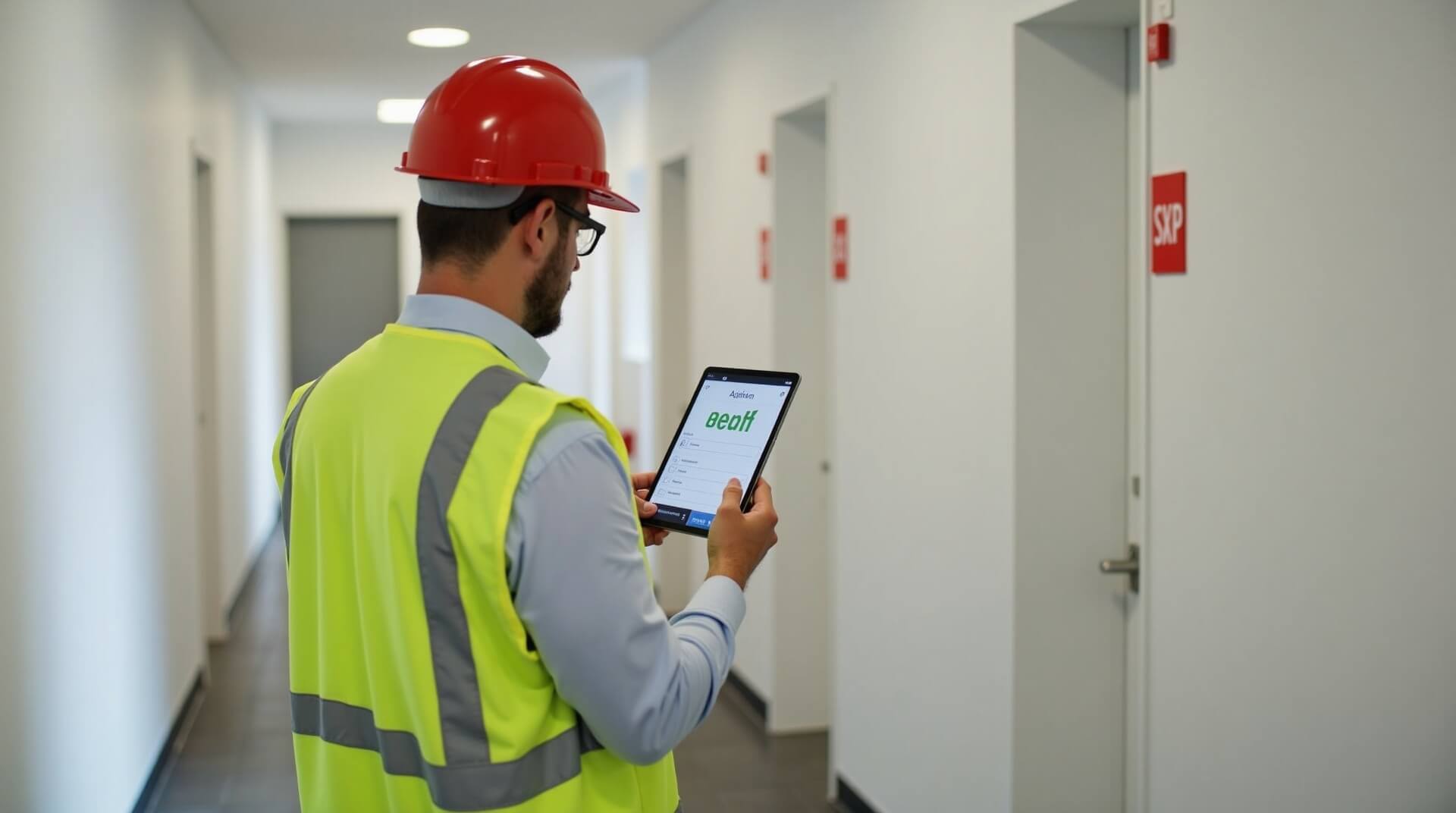
AI and Automation: Transforming Block Management Operations in the UK
Artificial intelligence and automation are revolutionising how UK block managers handle everything from maintenance scheduling to financial reporting, delivering unprecedented efficiency and cost savings.

Emma Richardson
Finance Editor · Financial Management
The property management landscape is experiencing a digital revolution. Artificial intelligence (AI) and automation technologies are no longer futuristic concepts—they're practical tools that forward-thinking block managers across the UK are using to streamline operations, reduce costs, and enhance service delivery.
From automated compliance reporting to predictive maintenance systems, these technologies are addressing some of the sector's most persistent challenges whilst creating new opportunities for efficiency and growth.
The Current State of Block Management Technology
Traditional block management has long relied on manual processes, spreadsheets, and reactive approaches to maintenance and compliance. However, the sector is rapidly evolving, driven by several factors:
- Increasing regulatory complexity, particularly around building safety and fire regulations
- Rising operational costs and pressure on service charges
- Growing expectations from residents for transparent, responsive service
- The need for better data management and reporting capabilities
Modern platforms like WiseBlock are leading this transformation by integrating AI-powered features that automate routine tasks whilst providing intelligent insights into building performance and financial management.
AI-Powered Maintenance and Asset Management
One of the most significant applications of AI in block management lies in predictive maintenance. Rather than waiting for equipment failures or relying on fixed maintenance schedules, AI systems can analyse patterns in building data to predict when maintenance is actually needed.
Predictive Analytics in Action:
- Lift performance monitoring using IoT sensors and AI analysis
- HVAC system optimisation based on usage patterns and weather data
- Water leak detection through smart meter analysis
- Heating system efficiency monitoring and automatic adjustments
This approach not only reduces emergency repair costs but also extends the lifespan of critical building systems. According to industry data, predictive maintenance can reduce maintenance costs by up to 25% whilst improving system reliability by 35%.
Smart Building Integration
AI systems increasingly integrate with smart building technologies to create responsive environments that adapt to usage patterns. This includes automated lighting systems that reduce energy consumption, intelligent access control that enhances security, and climate control systems that optimise comfort whilst minimising costs.
Automated Compliance and Regulatory Management
The Building Safety Act 2022 and enhanced fire safety regulations have significantly increased the compliance burden on block managers. AI and automation technologies offer powerful solutions for managing these complex requirements.
Key automation capabilities include:
- Automatic generation of compliance certificates and safety reports
- Scheduled reminders for regulatory inspections and renewals
- Digital audit trails that automatically document safety procedures
- Risk assessment updates based on building changes or incidents
These systems ensure that nothing falls through the cracks whilst reducing the administrative burden on management teams. They can automatically flag upcoming compliance deadlines, generate required documentation, and even schedule necessary inspections with approved contractors.
Financial Management and Automation
AI is transforming financial management in block management through intelligent automation of routine tasks and predictive financial planning.
Automated Service Charge Management
Modern AI systems can automatically calculate and apportion service charges based on complex variables including unit size, usage patterns, and shared facility access. This eliminates manual errors and ensures fair, transparent charging.
Key features include:
- Automatic invoice generation and distribution
- Intelligent payment reconciliation and arrears management
- Predictive budgeting based on historical data and trend analysis
- Automated VAT calculations and compliance reporting
Cash Flow Prediction and Reserves Management
AI algorithms can analyse spending patterns, seasonal variations, and planned maintenance schedules to provide accurate cash flow predictions. This enables better reserves management and helps avoid unexpected service charge increases.
Enhanced Communication and Resident Services
AI-powered chatbots and automated communication systems are revolutionising how block managers interact with residents. These systems can handle routine enquiries 24/7, automatically categorise and route maintenance requests, and provide real-time updates on building issues.
Benefits include:
- Instant responses to common resident queries
- Automatic work order creation and contractor scheduling
- Proactive communication about planned maintenance or building issues
- Multilingual support for diverse residential communities
This not only improves resident satisfaction but also frees up management teams to focus on more strategic activities rather than routine administrative tasks.
Implementation Challenges and Considerations
While the benefits of AI and automation in block management are clear, successful implementation requires careful consideration of several factors:
Data Quality and Integration: AI systems are only as good as the data they process. Block managers need to ensure accurate, comprehensive data collection and integration across different building systems.
Staff Training and Change Management: Teams need appropriate training to work effectively with new technologies. This includes understanding how to interpret AI-generated insights and when human intervention is required.
Cost-Benefit Analysis: While automation can deliver significant long-term savings, initial implementation costs need careful consideration, particularly for smaller developments.
Privacy and Security: With increased data collection comes greater responsibility for data protection. Systems must comply with GDPR and other relevant regulations whilst maintaining robust cybersecurity measures.
The Future of AI in Block Management
The integration of AI and automation in block management is still in its early stages, with exciting developments on the horizon. Emerging technologies such as computer vision for building inspections, advanced predictive analytics for energy management, and blockchain integration for transparent financial reporting promise to further transform the sector.
The key to success lies in selecting the right technology partners and platforms that can grow with evolving needs. Forward-thinking block managers who embrace these technologies now will be best positioned to deliver superior service whilst managing costs effectively in an increasingly competitive market.
As the sector continues to evolve, AI and automation will become essential tools rather than optional extras, fundamentally changing how block management services are delivered across the UK.
Ready to modernise your property management?
See how WiseBlock can transform your operations with a free 30-minute demo.
Schedule a Demo