
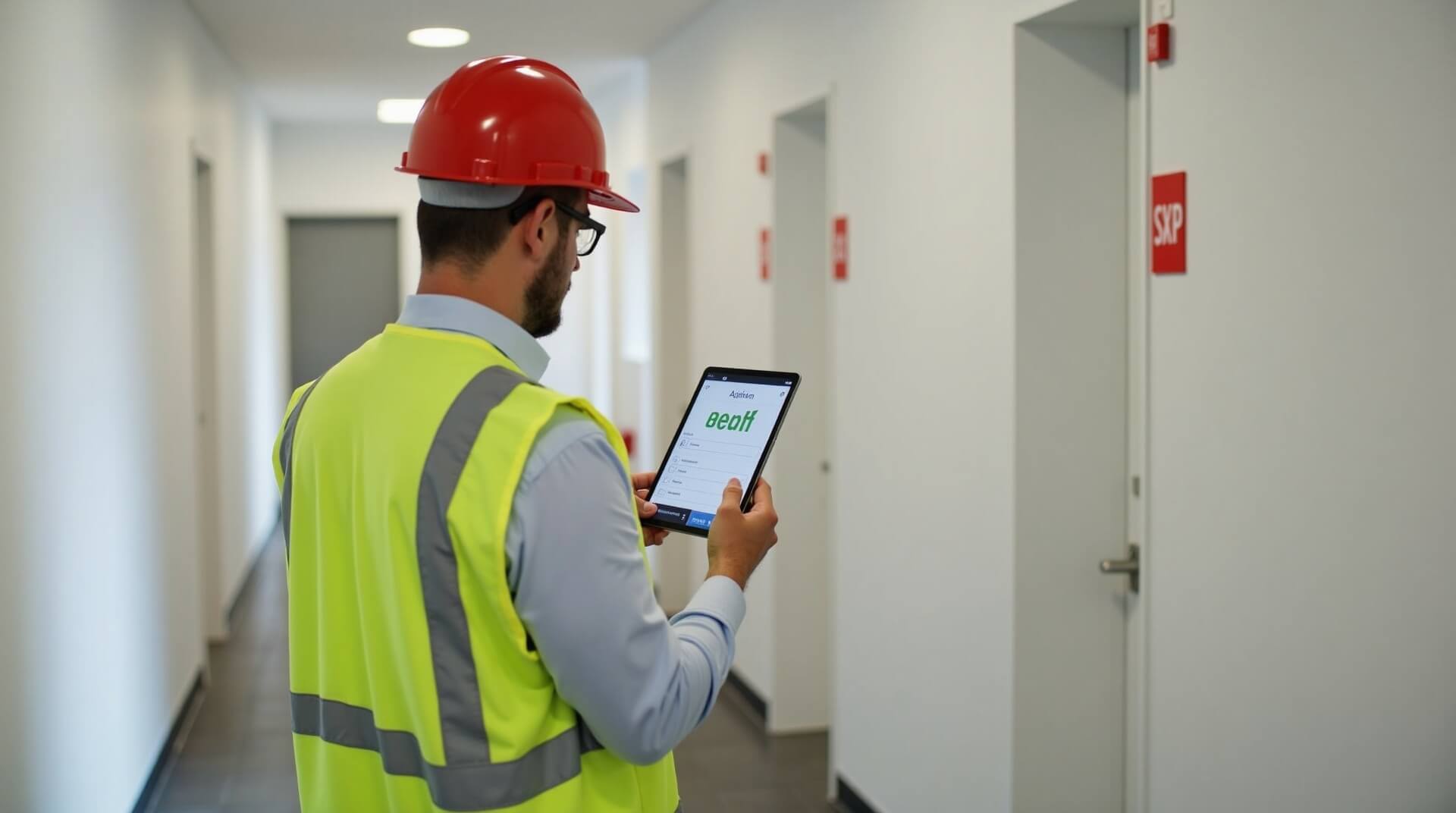
AI and Automation: Transforming Block Management Operations in 2024
Discover how artificial intelligence and automation are revolutionising block management operations, from predictive maintenance to automated compliance reporting, helping UK property professionals streamline workflows and enhance service delivery.

Sarah Mitchell
Senior Editor · Legislation & Compliance

The landscape of block management in the UK is undergoing a profound transformation. As property portfolios grow increasingly complex and regulatory demands intensify, artificial intelligence and automation are emerging as essential tools for modern managing agents and block managers. From predictive maintenance systems to automated compliance reporting, these technologies are not merely optional enhancements—they're becoming fundamental to delivering efficient, cost-effective property management services.
The Current State of Block Management Challenges
UK block managers face unprecedented challenges in 2024. The Building Safety Act 2022 has introduced stringent new compliance requirements, whilst leaseholder expectations for transparency and service quality continue to rise. Managing agents must juggle multiple responsibilities: coordinating maintenance across diverse property types, ensuring regulatory compliance, managing service charge budgets, and maintaining detailed audit trails.
Traditional manual processes are struggling to keep pace. A recent industry survey revealed that property managers spend up to 40% of their time on administrative tasks that could be automated, whilst reactive maintenance approaches continue to drive up costs and tenant dissatisfaction. The need for smarter, more proactive management approaches has never been clearer.
AI-Powered Predictive Maintenance: A Game Changer
Perhaps the most transformative application of AI in block management lies in predictive maintenance. Advanced algorithms can now analyse data from IoT sensors, historical maintenance records, and environmental factors to predict equipment failures before they occur.
Consider lift maintenance—a critical concern for any residential block. Traditional approaches rely on scheduled servicing and reactive repairs when breakdowns occur. AI systems can monitor lift performance data in real-time, identifying patterns that indicate potential failures weeks or months in advance. This proactive approach not only reduces emergency callout costs but also minimises inconvenience to residents.
Similarly, HVAC systems, fire safety equipment, and building infrastructure can all benefit from predictive analytics. By identifying maintenance needs early, block managers can schedule work during convenient periods, negotiate better rates with contractors through planned rather than emergency work, and significantly extend the lifespan of building systems.
Automated Compliance and Reporting Systems
The regulatory landscape surrounding UK block management continues to evolve rapidly. The Building Safety Act, fire safety regulations under the Regulatory Reform (Fire Safety) Order 2005, and health and safety obligations create a complex web of compliance requirements. Manual tracking of certificates, inspections, and reporting deadlines is both time-consuming and error-prone.
Intelligent automation systems can now manage compliance calendars automatically, sending alerts well in advance of renewal deadlines and maintaining comprehensive digital records. These systems can track everything from gas safety certificates and electrical inspections to fire risk assessments and water hygiene testing.
More sophisticated platforms integrate with contractor management systems, automatically requesting quotes for upcoming work and ensuring all necessary documentation is collected and stored in compliance with data protection requirements. Modern solutions like WiseBlock are leading this transformation, offering comprehensive automation that reduces administrative burden whilst enhancing compliance accuracy.
Smart Communication and Resident Engagement
AI-powered communication tools are revolutionising how block managers interact with residents and leaseholders. Chatbots can handle routine enquiries 24/7, providing instant responses to common questions about service charges, planned maintenance, or building policies. This not only improves resident satisfaction but also frees up property managers to focus on more complex issues requiring human intervention.
Natural language processing technology can analyse resident feedback and complaints to identify recurring themes and potential issues before they escalate. For instance, if multiple residents report heating problems, the system can automatically flag this for urgent investigation rather than treating each report in isolation.
Automated communication systems can also manage planned maintenance notifications, ensuring residents receive timely updates about works affecting their properties. These systems can personalise communications based on individual preferences—some residents prefer email updates, others prefer SMS notifications or app-based alerts.
Financial Management and Budget Optimisation
AI analytics are transforming financial management within block management operations. Machine learning algorithms can analyse historical spending patterns, seasonal variations, and market trends to create more accurate budget forecasts. This is particularly valuable for reserve fund planning, where accurate long-term projections are essential for maintaining building standards without imposing unexpected charges on leaseholders.
Automated invoice processing systems can match invoices to purchase orders, flag discrepancies, and route approvals through appropriate channels without manual intervention. This reduces processing time, minimises errors, and creates comprehensive audit trails—crucial for annual accounts preparation and leaseholder transparency requirements.
Smart systems can also identify cost-saving opportunities by analysing supplier performance, contract terms, and market rates. For example, an AI system might identify that utility costs are higher than industry benchmarks and recommend energy efficiency improvements or supplier switches.
Implementation Considerations and Best Practices
Whilst the benefits of AI and automation in block management are compelling, successful implementation requires careful planning. Property managers should start by identifying their most time-intensive processes and highest-risk areas. Compliance management and routine maintenance scheduling are often ideal starting points for automation.
Data quality is fundamental to AI success. Before implementing intelligent systems, ensure that existing property data is accurate and comprehensive. This might involve digitising paper records and standardising data formats across different systems.
Staff training is equally crucial. Team members need to understand how AI tools support their work rather than replace their expertise. The most effective implementations combine human judgement with machine intelligence, using automation to handle routine tasks whilst preserving professional oversight for complex decisions.
Consider integration capabilities when selecting AI and automation platforms. Systems that can connect with existing property management software, accounting systems, and contractor portals will deliver greater value than standalone solutions.
The Future of Intelligent Block Management
As AI technology continues to advance, we can expect even more sophisticated applications in block management. Building Information Modelling (BIM) integration will enable AI systems to understand building layouts and systems in unprecedented detail. Internet of Things (IoT) sensors will provide real-time data on everything from energy usage to air quality, enabling truly intelligent building management.
Virtual reality could transform property inspections, allowing remote assessment of building conditions and more accurate maintenance planning. Blockchain technology might revolutionise service charge transparency and contractor payment systems.
However, the core principle remains unchanged: technology should enhance human expertise rather than replace it. The most successful block management operations will be those that thoughtfully integrate AI and automation to support better decision-making, improved efficiency, and enhanced service delivery.
For UK property professionals looking to remain competitive in an increasingly demanding market, embracing AI and automation is no longer optional—it's essential for delivering the standards of service that modern leaseholders expect whilst managing the complex regulatory requirements of contemporary block management.
Ready to modernise your property management?
See how WiseBlock can transform your operations with a free 30-minute demo.
Schedule a Demo