
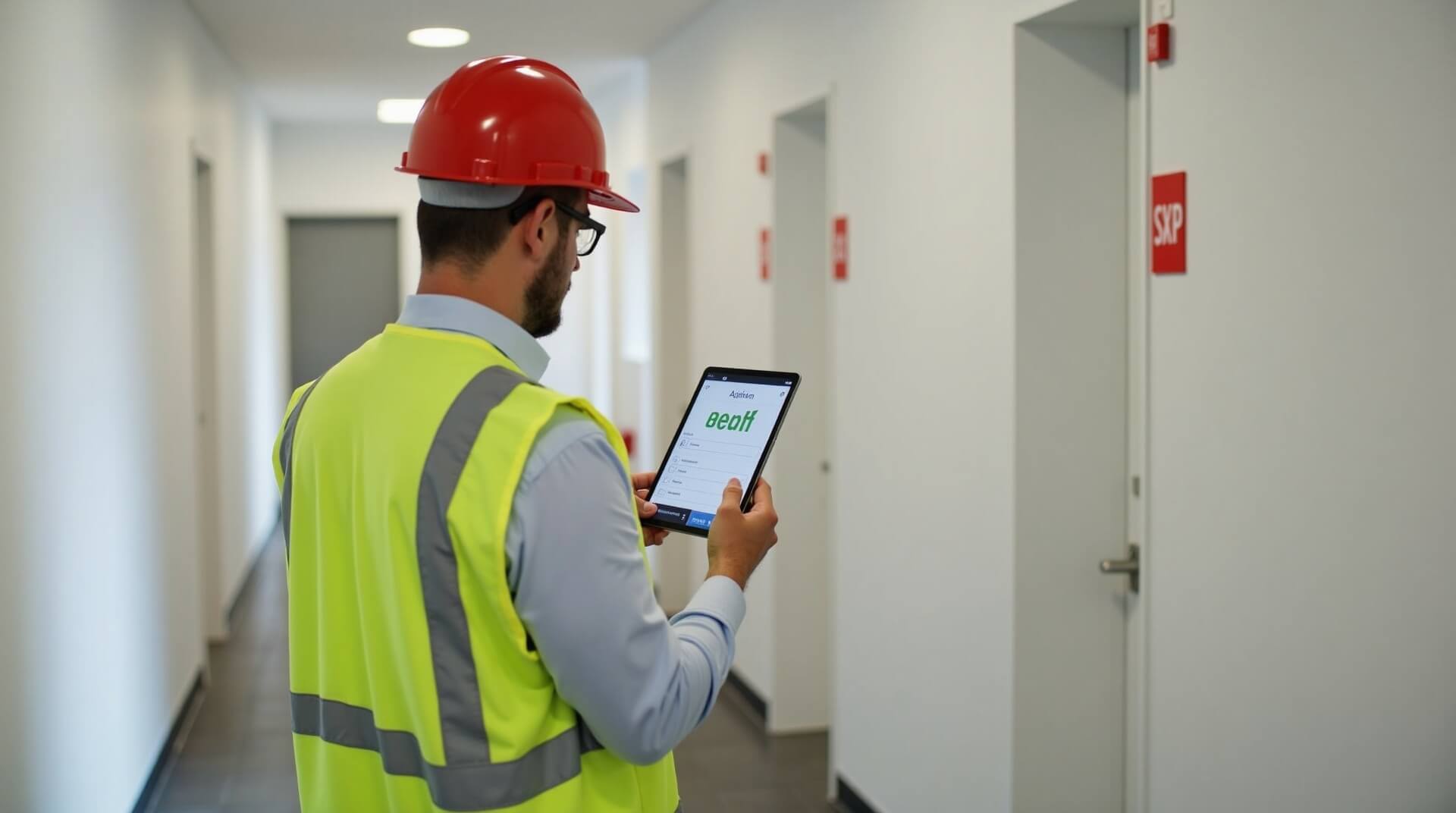
AI Revolution in Block Management: Transforming Property Operations
Discover how artificial intelligence and automation are revolutionising block management operations, from maintenance scheduling to tenant communications, and what this means for the future of UK property management.

Sarah Mitchell
Senior Editor · Legislation & Compliance

The UK property management sector is experiencing a technological renaissance, with artificial intelligence and automation leading the charge in transforming how block managers operate. From predictive maintenance to intelligent tenant communications, AI is not just a futuristic concept—it's already reshaping the day-to-day realities of managing residential blocks across Britain.
As regulatory pressures mount following the Building Safety Act 2022 and cladding remediation requirements, property professionals are increasingly turning to technology to manage complexity whilst controlling costs. The integration of AI into block management operations represents more than just efficiency gains; it's becoming essential for compliance, risk management, and competitive advantage.
Predictive Maintenance: From Reactive to Proactive
Traditional block management has long relied on reactive maintenance—waiting for something to break before fixing it. AI is fundamentally changing this approach through predictive analytics that can forecast equipment failures before they occur.
Modern building systems generate vast amounts of data from lift sensors, heating systems, and fire safety equipment. AI algorithms can analyse this data to identify patterns that precede failures, enabling managing agents to schedule maintenance during convenient times rather than dealing with emergency breakdowns that disrupt residents and inflate costs.
For instance, AI can monitor lift usage patterns and mechanical stress indicators to predict when components might fail. This allows block managers to schedule maintenance during low-usage periods, reducing inconvenience to residents whilst extending equipment lifespan. The technology is particularly valuable for older buildings where unexpected failures can be both costly and potentially dangerous.
Intelligent Tenant Communications and Service Requests
One of the most immediate applications of AI in block management is in handling tenant communications. Natural language processing (NLP) technology can now categorise and prioritise service requests automatically, ensuring urgent issues like heating failures or security concerns receive immediate attention whilst routine queries are handled efficiently.
AI-powered chatbots can provide 24/7 responses to common enquiries about service charges, building policies, or maintenance schedules. This not only improves tenant satisfaction but also reduces the administrative burden on managing agents, allowing them to focus on complex issues that require human expertise.
Modern platforms like WiseBlock are integrating these capabilities, enabling block managers to automate routine communications whilst maintaining the personal touch that residents value. The technology can even detect sentiment in tenant messages, flagging particularly frustrated or urgent communications for immediate human intervention.
Financial Management and Service Charge Optimisation
AI excels at pattern recognition and data analysis, making it invaluable for financial management in block operations. Machine learning algorithms can analyse historical spending patterns, seasonal variations, and market trends to provide more accurate budgeting and forecasting for service charges.
This capability is particularly crucial given the current economic climate and rising operational costs. AI can identify cost-saving opportunities by analysing energy usage patterns, maintenance spending, and contract performance across multiple properties. For managing agents handling numerous blocks, this analysis would be impossible to perform manually at scale.
The technology can also automate invoice processing and expense categorisation, reducing errors and ensuring compliance with accounting standards. This is especially important for leasehold properties where service charge transparency is both a legal requirement and a source of frequent disputes.
Compliance and Risk Management
The regulatory landscape for UK property management has become increasingly complex, with requirements ranging from electrical safety certificates to fire risk assessments. AI systems can track multiple compliance deadlines across entire portfolios, automatically flagging approaching renewal dates and ensuring nothing falls through the cracks.
For building safety compliance, AI can analyse inspection reports, maintenance records, and risk assessments to identify potential issues before they become serious problems. This proactive approach is essential given the increased focus on building safety following the Grenfell tragedy and subsequent legislation.
Risk assessment is another area where AI adds significant value. By analysing historical data on incidents, insurance claims, and maintenance issues, AI can help identify buildings or systems that may require additional attention, enabling more targeted risk management strategies.
Data Security and Integration Challenges
Whilst the benefits of AI in block management are clear, implementation requires careful consideration of data security and privacy requirements. Under GDPR, managing agents must ensure that tenant data is processed lawfully and securely, with clear consent for AI-powered analysis.
Integration with existing systems can also present challenges. Many block management operations rely on legacy software that may not easily connect with modern AI platforms. However, cloud-based solutions are increasingly offering APIs and integration tools that can bridge these gaps without requiring complete system overhauls.
The key is to start with specific use cases that deliver clear value whilst building the technical foundation for broader AI implementation. Whether it's automated maintenance scheduling or intelligent communication handling, the focus should be on solving real problems rather than implementing technology for its own sake.
The Future of AI in Block Management
Looking ahead, we can expect to see AI become even more sophisticated in its applications to block management. Computer vision technology could automate property inspections, using cameras and sensors to identify maintenance issues or safety hazards. IoT integration will provide even richer data streams for AI analysis, creating truly smart buildings that optimise themselves.
However, the human element remains crucial. AI should augment rather than replace the expertise of managing agents and block managers. The technology handles routine tasks and data analysis, freeing professionals to focus on strategic decisions, resident relationships, and complex problem-solving that requires human judgement.
For UK property professionals, the question isn't whether to embrace AI and automation—it's how quickly they can implement these tools to remain competitive. Those who act now will be best positioned to deliver superior service whilst managing costs effectively in an increasingly challenging market.
The transformation is already underway, and early adopters are seeing measurable benefits in efficiency, cost control, and resident satisfaction. As the technology continues to evolve, AI will become as essential to block management as email and mobile phones are today—not just useful tools, but fundamental requirements for effective operation.
Ready to modernise your property management?
See how WiseBlock can transform your operations with a free 30-minute demo.
Schedule a Demo