
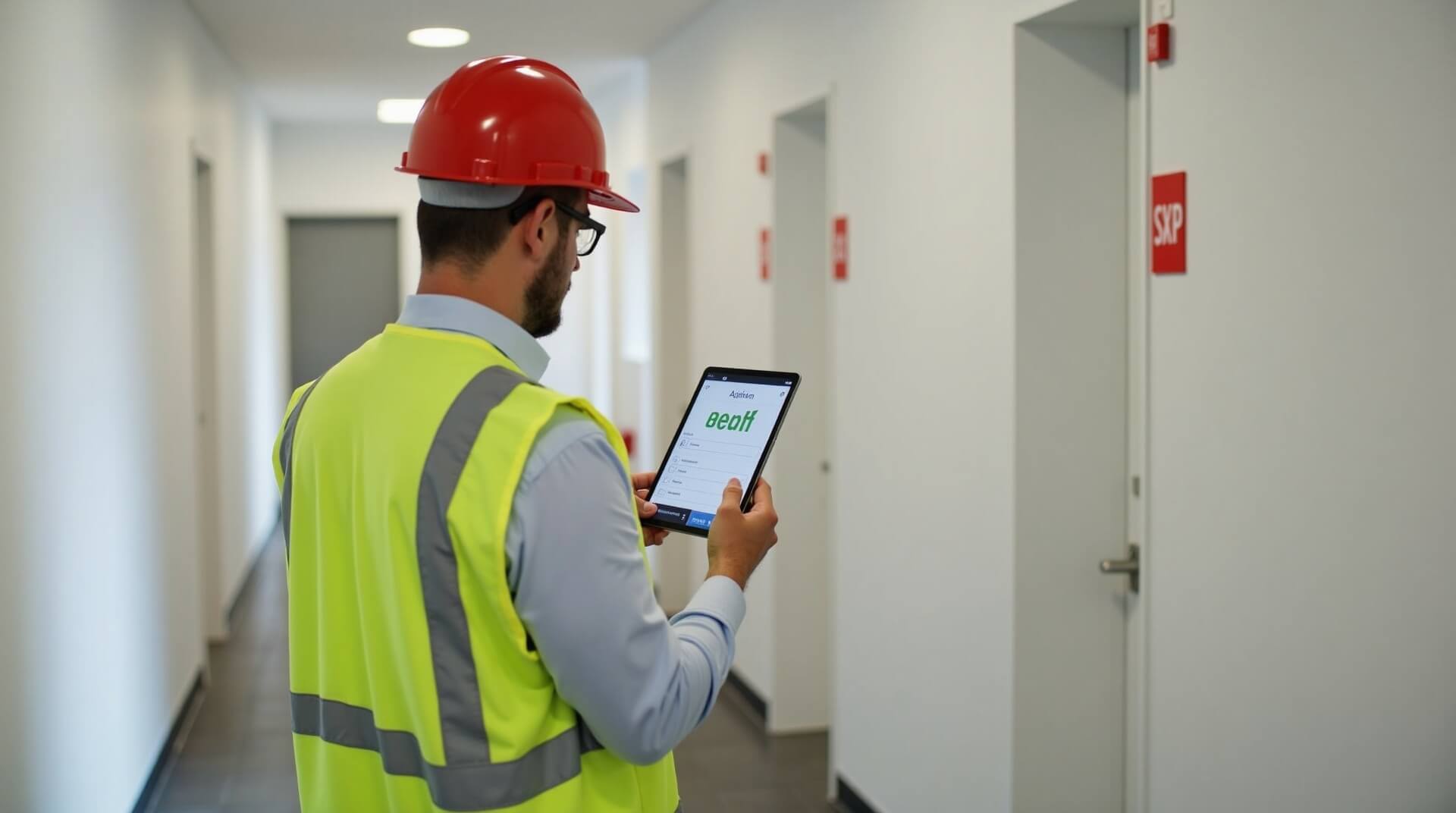
AI and Automation in Block Management: The Future of UK Property Operations
Artificial intelligence and automation are moving from buzzwords to genuine operational tools for UK block managers, cutting admin time and improving service charge transparency.

Priya Sharma
Innovation Correspondent · AI & Digital Transformation

For decades, block management has been characterised by paper trails, spreadsheet gymnastics, and managing agents fielding the same leaseholder queries on repeat. That picture is changing fast. Artificial intelligence and automation are no longer futuristic concepts confined to tech conferences—they are being deployed today across UK property management to streamline everything from service charge budgeting to compliance monitoring and reactive maintenance.
With the sector facing mounting regulatory pressure following the Building Safety Act 2022 and increased scrutiny from bodies like the Regulator of Social Housing and the First-tier Tribunal (Property Chamber), the case for smarter operational tools has never been stronger. Managing agents are under pressure to deliver more transparency, faster response times, and tighter financial controls—often with the same or shrinking headcount.
Why Block Management Is Ripe for Automation
Block management involves an enormous volume of repetitive, rules-based tasks: chasing service charge arrears, scheduling gas safety checks, logging Section 20 consultations, and responding to leaseholder enquiries about the same recurring issues. These are precisely the kinds of processes where automation delivers the greatest return.
According to industry commentary from providers such as Arthur Online and MRI Software, the UK property sector has historically lagged behind other industries in digital adoption, but that gap is closing quickly as agents recognise the commercial and compliance benefits of automation. Manual processes not only consume disproportionate amounts of staff time—they also introduce risk. A missed fire risk assessment renewal or an overlooked lift maintenance certificate can have serious safety and legal consequences.
Where AI Is Making a Real Difference
Rather than replacing the property manager, AI is increasingly being used to support and augment their work in specific, high-value areas:
- Predictive maintenance: Sensors and historical repair data can flag when lifts, boilers, or communal heating systems are likely to fail, allowing agents to schedule preventative works before a breakdown disrupts residents or triggers an emergency callout premium.
- Automated compliance tracking: Platforms can now flag upcoming statutory deadlines—EICRs, fire door inspections, asbestos re-surveys—well in advance, reducing the risk of falling foul of the Regulatory Reform (Fire Safety) Order 2005 or Building Safety Act obligations.
- Intelligent document processing: AI-powered optical character recognition (OCR) can extract data from invoices, contractor quotes, and lease documents automatically, dramatically cutting the time spent on manual data entry into accounting systems.
- Chatbots and self-service portals: Leaseholders increasingly expect instant answers. AI-driven chat tools can resolve routine queries about service charge statements or reported repairs without tying up a property manager's time.
- Service charge forecasting: Machine learning models can analyse historical spend patterns across a portfolio to produce more accurate budget forecasts, helping agents avoid the reputational damage of large in-year deficits or unexpected reserve fund shortfalls.
The Compliance and Transparency Dividend
One of the most compelling arguments for automation in block management is not efficiency alone, but accountability. RICS' Service Charge Residential Management Code places significant emphasis on transparency, timely communication, and accurate record-keeping. Automated systems that log every action—every invoice approved, every consultation notice issued, every contractor instructed—create an audit trail that is far more robust than a filing cabinet or an inbox full of email threads.
This matters enormously when disputes arise. Leaseholders challenging service charges at the First-tier Tribunal frequently cite a lack of transparency or missing documentation as grounds for complaint. Agents who can produce a clean, automated audit trail are in a far stronger position, both reputationally and legally.
Automation isn't about removing the human element from block management—it's about freeing property managers from administrative drudgery so they can spend more time on the judgement calls, relationship management, and complex problem-solving that genuinely require a person.
Platforms Leading the Charge
Established property management software providers such as Arthur Online and MRI Software have been steadily building AI and automation capabilities into their platforms, from automated arrears chasing workflows to smart maintenance ticketing. These tools have raised expectations across the sector about what "good" operational software should look like.
WiseBlock has been built with this shift firmly in mind, offering managing agents a modern platform designed around automated compliance alerts, streamlined service charge administration, and clear financial reporting that leaseholders can actually understand. Rather than bolting AI onto legacy systems as an afterthought, the aim is to design workflows from the ground up around the realities of managing residential blocks in a post-Building Safety Act environment.
Getting Started: Practical Steps for Agents
Adopting AI and automation doesn't require ripping up existing systems overnight. Agents considering the transition should:
- Audit current processes to identify the most time-consuming, repetitive tasks—these are the best early candidates for automation.
- Prioritise compliance-related automation first, given the regulatory and safety stakes involved.
- Choose platforms with strong data export and integration capabilities, avoiding vendor lock-in.
- Invest in staff training—automation tools are only as effective as the team's willingness and ability to use them properly.
- Communicate changes clearly to leaseholders and RMC/RTM directors, framing automation as a service improvement rather than a cost-cutting exercise.
Looking Ahead
The direction of travel is clear. As leaseholder expectations rise and regulatory requirements tighten further under the ongoing reforms to leasehold and building safety law, block managers who embrace AI and automation will be better placed to deliver the transparency, responsiveness, and compliance rigour the sector increasingly demands. Those who delay risk being left managing an ever-growing administrative burden with tools that were never designed for today's regulatory reality.
Ready to modernise your property management?
See how WiseBlock can transform your operations with a free 30-minute demo.
Schedule a Demo