
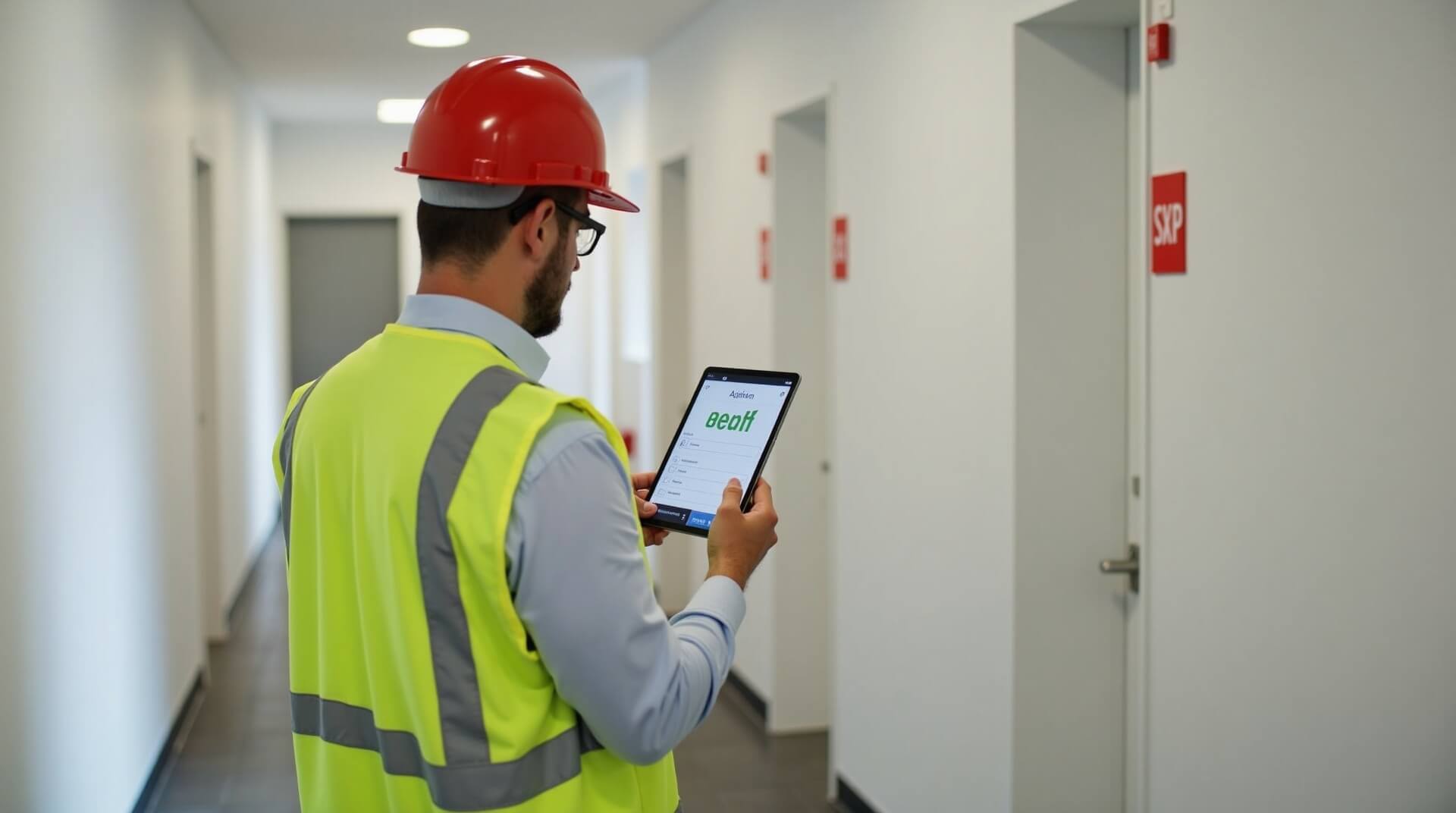
AI and Automation: Transforming Block Management Operations in 2024
Artificial intelligence and automation are revolutionising how UK block managers handle routine operations, from maintenance scheduling to compliance monitoring, delivering improved efficiency and reduced costs.

Sarah Mitchell
Senior Editor · Legislation & Compliance

The UK property management sector is experiencing a digital transformation that's fundamentally changing how block managers operate. Artificial intelligence (AI) and automation technologies are no longer futuristic concepts—they're practical tools that are already delivering measurable improvements in efficiency, cost reduction, and service quality across residential developments nationwide.
For managing agents and block managers juggling multiple properties, numerous compliance requirements, and ever-increasing leaseholder expectations, these technologies offer a pathway to streamlined operations without compromising on service standards. The question isn't whether AI will impact block management, but how quickly forward-thinking operators will embrace these innovations to gain competitive advantage.
Predictive Maintenance: From Reactive to Proactive
Traditional block management has relied heavily on reactive maintenance—fixing issues after they occur. AI-powered predictive maintenance systems are transforming this approach by analysing data from building systems, historical maintenance records, and environmental factors to predict when equipment is likely to fail.
Smart sensors installed throughout buildings can monitor everything from lift performance to boiler efficiency, feeding real-time data into AI algorithms that identify patterns and anomalies. This enables block managers to schedule maintenance during optimal windows, reducing emergency callouts and extending equipment lifespan.
Consider a typical scenario: rather than waiting for residents to report a lift malfunction, predictive systems can detect irregular vibration patterns or unusual power consumption weeks in advance. This proactive approach not only prevents inconvenience for residents but also helps manage service charge budgets more effectively by avoiding costly emergency repairs.
The Building Safety Act 2022 has heightened the importance of maintaining comprehensive building records and ensuring systems remain operational. AI-driven maintenance platforms automatically generate compliance documentation and maintain audit trails, supporting block managers in meeting their enhanced legal obligations.
Automated Communication and Service Requests
Effective communication lies at the heart of successful block management, yet it's often one of the most time-consuming aspects of the role. AI-powered chatbots and automated response systems are revolutionising how block managers handle routine enquiries and service requests.
Modern AI systems can handle a significant proportion of common leaseholder queries—from requesting maintenance appointments to explaining service charge components—freeing up management teams to focus on complex issues requiring human intervention. These systems operate 24/7, providing immediate responses that improve resident satisfaction whilst reducing administrative burden.
Natural language processing enables these systems to understand and categorise service requests automatically, routing urgent issues to the appropriate teams whilst logging routine matters for scheduled attention. Platforms like WiseBlock are integrating these capabilities to create seamless communication workflows that maintain service quality whilst improving operational efficiency.
Automated acknowledgment systems ensure residents receive immediate confirmation of their requests, setting clear expectations about response times and next steps. This transparency helps build trust and reduces follow-up queries, creating a more efficient communication cycle.
Intelligent Financial Management and Budgeting
Financial management represents one of the most complex aspects of block management, involving service charge calculations, reserve fund planning, and major works budgeting. AI and automation tools are bringing unprecedented accuracy and efficiency to these processes.
Machine learning algorithms can analyse historical expenditure patterns, market trends, and building-specific factors to generate more accurate budget forecasts. This capability is particularly valuable when planning for major works projects, where cost overruns can significantly impact leaseholders and create management challenges.
Automated invoice processing systems can extract key information from supplier invoices, match them against purchase orders, and flag discrepancies for review. This reduces manual data entry errors and accelerates payment processing, helping maintain positive supplier relationships whilst ensuring accurate financial records.
For service charge administration, AI systems can automatically apportion costs according to lease terms, generate demands, and track payments. Integration with online payment platforms creates a seamless experience for leaseholders whilst providing block managers with real-time visibility of collection rates and outstanding amounts.
The transparency requirements under various leasehold reform initiatives mean block managers must provide clear, detailed financial information to leaseholders. Automated reporting tools can generate these documents instantly, ensuring compliance whilst reducing administrative overhead.
Compliance Monitoring and Risk Management
The regulatory landscape for block management continues to evolve, with new requirements emerging from the Building Safety Act 2022, upcoming leasehold reforms, and various health and safety regulations. AI-powered compliance monitoring systems help block managers navigate this complex environment systematically.
Automated compliance calendars track certification renewals, inspection schedules, and regulatory deadlines across entire property portfolios. These systems send alerts well in advance of due dates, ensuring nothing falls through the cracks whilst maintaining comprehensive compliance records.
Risk assessment tools utilise AI to analyse building characteristics, historical incident data, and regulatory changes to identify potential compliance gaps or emerging risks. This proactive approach helps block managers address issues before they become problems, protecting both residents and management companies from potential liabilities.
Document management systems powered by optical character recognition (OCR) and AI can automatically categorise and index compliance documents, making it simple to retrieve certificates, reports, and correspondence during audits or inspections. This capability becomes increasingly valuable as buildings age and document archives grow.
For fire safety compliance, AI systems can integrate with building systems to monitor fire door positions, emergency lighting functionality, and alarm system status, providing continuous assurance that critical safety systems remain operational.
Data-Driven Decision Making and Performance Optimisation
Perhaps the most significant long-term benefit of AI in block management lies in its ability to transform vast amounts of operational data into actionable insights. Modern platforms collect data from multiple sources—maintenance records, financial transactions, resident communications, and building systems—creating comprehensive operational intelligence.
Performance dashboards provide block managers with real-time visibility across their portfolios, highlighting trends, exceptions, and opportunities for improvement. These insights enable evidence-based decision making, from optimising maintenance schedules to negotiating better supplier contracts.
Benchmarking capabilities allow block managers to compare performance across properties, identifying best practices and addressing underperforming assets. This data-driven approach helps demonstrate value to clients and supports continuous service improvement initiatives.
Energy management represents a particularly promising area for AI application. By analysing consumption patterns, weather data, and building occupancy, AI systems can optimise heating, lighting, and other systems to reduce costs whilst maintaining comfort levels. As sustainability becomes increasingly important to leaseholders and regulators, these capabilities will become essential competitive advantages.
Looking Ahead: The Future of AI in Block Management
The adoption of AI and automation in UK block management is still in its early stages, but the pace of development is accelerating rapidly. Forward-thinking managing agents are already experiencing significant benefits from implementing these technologies, whilst those who delay risk being left behind as client expectations evolve.
The key to successful implementation lies in choosing platforms that understand the specific requirements of UK property management, including compliance obligations, lease structures, and resident expectations. Solutions like WiseBlock are designed specifically for this market, ensuring that AI capabilities enhance rather than complicate existing workflows.
As these technologies mature, we can expect to see even more sophisticated applications emerging, from AI-powered building design optimisation to predictive resident satisfaction modelling. The block managers who embrace these innovations today will be best positioned to lead the industry tomorrow.
The message is clear: AI and automation aren't replacing block managers—they're empowering them to deliver better services more efficiently. The future belongs to those who recognise this opportunity and act upon it.
Ready to modernise your property management?
See how WiseBlock can transform your operations with a free 30-minute demo.
Schedule a Demo