
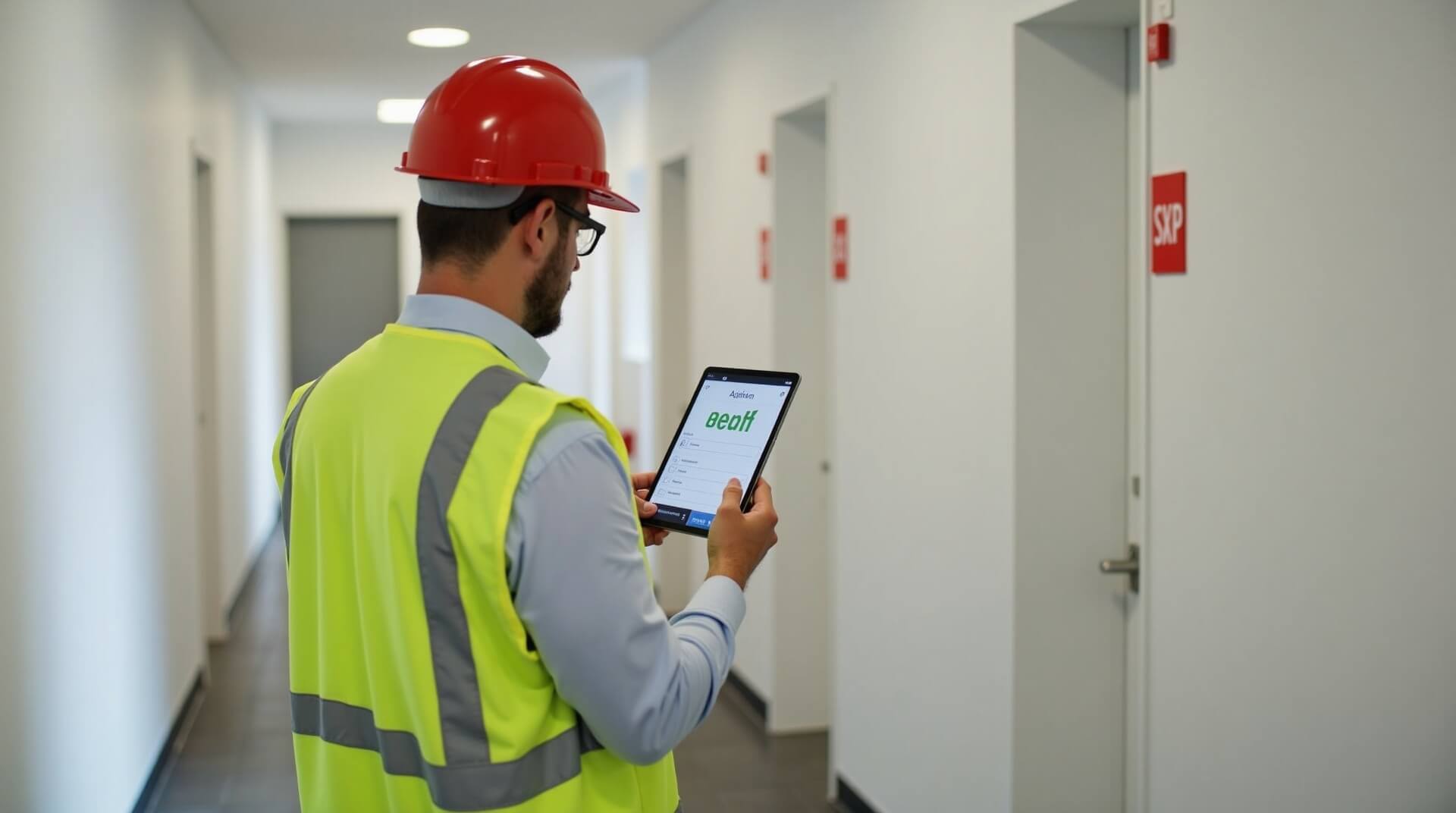
Smart Building Technology: Transforming UK Residential Blocks
Smart building technology is revolutionising how UK residential blocks operate, offering enhanced security, energy efficiency, and resident satisfaction while reducing operational costs for managing agents.

James Crawford
Technology Correspondent · PropTech & Innovation

The UK's residential property sector is experiencing a technological transformation that's reshaping how blocks of flats are managed, maintained, and experienced by residents. Smart building technology, once the preserve of high-end commercial developments, is now becoming increasingly accessible and essential for residential blocks across the country.
From automated lighting systems to predictive maintenance algorithms, these innovations are delivering tangible benefits for managing agents, freeway companies, and residents alike. But what exactly constitutes smart building technology, and how can property professionals harness its potential?
Understanding Smart Building Technology in Residential Context
Smart building technology encompasses a network of interconnected devices and systems that collect, analyse, and act upon data to optimise building performance. In residential blocks, this typically includes:
- Internet of Things (IoT) sensors monitoring everything from temperature and humidity to air quality and occupancy
- Building Management Systems (BMS) that integrate heating, ventilation, lighting, and security
- Predictive maintenance platforms that identify potential issues before they become costly problems
- Energy management systems optimising consumption across communal areas
- Smart access control enhancing security whilst improving convenience
The integration of these technologies creates a responsive environment that adapts to usage patterns, weather conditions, and resident needs whilst providing property managers with unprecedented visibility into building operations.
Energy Efficiency and Environmental Benefits
One of the most compelling drivers for smart building adoption is energy efficiency. With rising energy costs and increasing regulatory pressure around environmental performance, residential blocks are under growing scrutiny to reduce their carbon footprint.
Smart heating systems can reduce energy consumption by up to 30% through intelligent scheduling and zone-based control. These systems learn from occupancy patterns and weather forecasts to pre-heat or cool spaces only when needed. Motion-activated LED lighting in communal areas further reduces electricity consumption, whilst smart meters provide real-time visibility into energy usage patterns.
The government's commitment to achieving net-zero carbon emissions by 2050 means that energy-efficient buildings will likely command premium values and rental rates. Early adopters of smart building technology are positioning themselves advantageously for future regulatory requirements, including potential updates to the Minimum Energy Efficiency Standards (MEES) for residential properties.
Properties equipped with smart building technology typically achieve Energy Performance Certificate (EPC) ratings 1-2 bands higher than equivalent traditional buildings, translating to both regulatory compliance and market differentiation.
Enhancing Security and Access Control
Security remains a paramount concern for residential block management, and smart technology offers sophisticated solutions that go well beyond traditional lock-and-key systems. Modern smart access control systems utilise smartphone apps, key fobs, or biometric authentication to provide secure, auditable entry whilst eliminating the costs and security risks associated with physical key management.
Integrated CCTV systems with artificial intelligence can distinguish between residents, visitors, and potential security threats, automatically alerting managing agents to unusual activities. These systems maintain detailed logs of all access attempts, providing valuable evidence in the event of incidents whilst ensuring compliance with data protection requirements under UK GDPR.
Video intercoms connected to residents' smartphones enable remote visitor management, particularly valuable for elderly or mobility-impaired residents. This technology has proven especially relevant following the COVID-19 pandemic, as it reduces unnecessary contact whilst maintaining security standards.
Predictive Maintenance and Cost Reduction
Perhaps the most transformative aspect of smart building technology is its ability to predict and prevent maintenance issues before they escalate into costly emergencies. Sensors monitoring lift performance, boiler efficiency, water pressure, and structural movement can identify patterns that indicate impending failures.
This predictive approach shifts maintenance from reactive to proactive, significantly reducing both costs and resident disruption. For example, vibration sensors on lifts can detect bearing wear weeks before failure, allowing for planned maintenance during low-usage periods rather than emergency call-outs.
Water leak detection systems utilise wireless sensors to monitor for moisture in high-risk areas such as plant rooms, beneath bathrooms, and around pipe joints. Early detection can prevent the catastrophic damage and insurance claims that result from undetected leaks, whilst automated shut-off valves can isolate affected areas immediately.
Modern platforms like WiseBlock integrate with these monitoring systems to provide managing agents with centralised dashboards showing the health status of all building systems, enabling more informed decision-making and better resource allocation.
Implementation Considerations and Best Practices
While the benefits of smart building technology are compelling, successful implementation requires careful planning and consideration of several factors:
Resident Privacy and Data Protection
Any smart building system must comply with UK GDPR requirements, particularly regarding the collection and processing of personal data. Property managers must ensure that residents understand what data is being collected, how it's used, and their rights regarding its processing. Transparent privacy policies and opt-in consent mechanisms are essential.
Cybersecurity
Connected building systems present potential cybersecurity risks that must be addressed through robust network security, regular software updates, and staff training. The National Cyber Security Centre provides guidance specifically for smart building implementations that managing agents should follow.
Cost-Benefit Analysis
While smart building technology offers long-term savings, initial installation costs can be significant. A thorough cost-benefit analysis should consider energy savings, maintenance cost reductions, potential service charge implications, and impact on property values. Many systems offer modular implementation, allowing buildings to adopt technologies gradually as budgets permit.
Integration with Existing Systems
Successful smart building implementations often require integration with existing property management software, accounting systems, and maintenance schedules. Platforms that offer open APIs and established integration partnerships tend to deliver better outcomes than proprietary closed systems.
The Future of Smart Residential Buildings
The trajectory of smart building technology suggests even greater integration and sophistication in coming years. Artificial intelligence and machine learning algorithms will become more adept at predicting resident needs and optimising building performance. 5G connectivity will enable real-time responsiveness for critical systems, whilst the Internet of Things will expand to encompass every aspect of building operation.
Regulatory developments, including potential updates to building regulations and fire safety requirements following the Building Safety Act 2022, may mandate certain smart building technologies for residential blocks above specific heights or occupancy levels.
For managing agents and property professionals, the question is not whether to adopt smart building technology, but rather how quickly and effectively to implement it. Early movers will benefit from competitive advantages in terms of operational efficiency, resident satisfaction, and property values, whilst establishing the expertise necessary to navigate an increasingly connected built environment.
The smart building revolution is transforming UK residential blocks from passive structures into responsive, efficient, and secure environments that benefit everyone involved in their ownership, management, and occupation. The technology exists today – the opportunity lies in its thoughtful and strategic implementation.
Ready to modernise your property management?
See how WiseBlock can transform your operations with a free 30-minute demo.
Schedule a Demo