
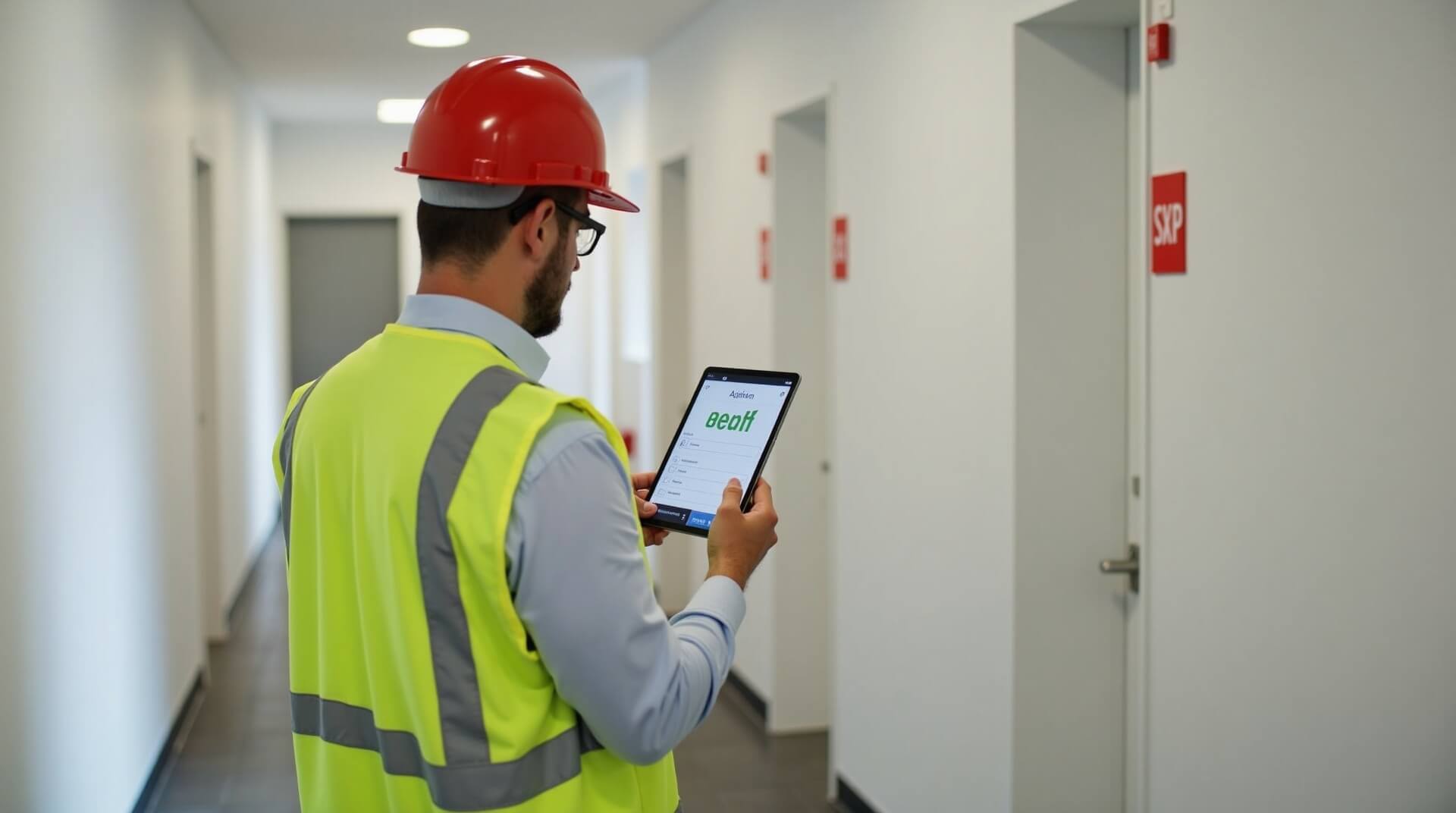
PropTech Innovations Transforming UK Property Management in 2024
Discover how cutting-edge PropTech solutions are revolutionising UK property management, from AI-powered maintenance to blockchain transparency and IoT integration.

Priya Sharma
Innovation Correspondent · AI & Digital Transformation

The UK property management sector is experiencing a technological renaissance. As digital transformation accelerates across all industries, PropTech innovations are fundamentally reshaping how managing agents, landlords, and block managers operate their portfolios. From artificial intelligence streamlining maintenance workflows to blockchain ensuring transparency in service charges, these technological advances are not merely enhancing existing processes—they're creating entirely new paradigms for property management excellence.
The convergence of rising tenant expectations, regulatory complexity, and operational pressures has created fertile ground for PropTech adoption. According to recent industry analysis, UK property management firms investing in digital solutions report up to 40% improvements in operational efficiency whilst simultaneously enhancing tenant satisfaction scores.
Artificial Intelligence and Machine Learning: The New Maintenance Revolution
Perhaps nowhere is PropTech's impact more pronounced than in predictive maintenance and asset management. Advanced AI algorithms now analyse vast datasets from building sensors, historical maintenance records, and environmental factors to predict equipment failures before they occur.
Modern platforms utilise machine learning to process patterns in heating system performance, lift usage data, and structural monitoring information. This predictive approach transforms reactive maintenance cultures into proactive asset preservation strategies. Managing agents report significant cost savings—typically 15-25% reduction in emergency repair expenditure—alongside improved tenant satisfaction through reduced service disruptions.
The integration extends beyond simple predictions. AI-powered systems now automatically schedule maintenance windows, coordinate contractor availability, and even order replacement parts based on predictive models. This level of automation is particularly valuable for block managers overseeing multiple developments, where manual coordination becomes increasingly complex.
Internet of Things (IoT): Creating Intelligent Building Ecosystems
IoT deployment across UK residential and commercial properties is creating unprecedented visibility into building performance. Smart sensors monitor everything from air quality and energy consumption to occupancy patterns and security metrics, generating real-time data streams that inform management decisions.
Consider the practical applications: smart water leak detectors that immediately alert property managers whilst automatically shutting off supply valves, preventing thousands of pounds in damage. Environmental sensors adjust heating and lighting based on occupancy, delivering both cost savings and improved tenant comfort. Access control systems provide detailed audit trails whilst enhancing security through biometric authentication and mobile app integration.
The data generated by these IoT networks feeds into comprehensive building management dashboards, giving property managers unprecedented insight into their portfolios. This transparency enables evidence-based decision making, from identifying energy efficiency opportunities to optimising cleaning schedules based on actual usage patterns.
Blockchain Technology: Transparency and Trust in Service Charges
Service charge transparency remains a persistent challenge in UK property management, with disputes often arising from unclear expenditure tracking and allocation methods. Blockchain technology offers compelling solutions through immutable transaction records and automated smart contracts.
Several UK PropTech companies are pioneering blockchain applications for service charge management. These systems create transparent, auditable records of all expenditure, from major works projects to routine maintenance costs. Leaseholders can access real-time spending information, view contractor invoices, and understand exactly how their service charges are calculated and allocated.
Smart contracts automate many routine processes, from rent collection to contractor payments. When predetermined conditions are met—such as completion of maintenance work and tenant approval—payments execute automatically, reducing administrative overhead whilst ensuring contractual compliance.
Digital Twin Technology: Virtual Building Management
Digital twin technology creates virtual replicas of physical buildings, integrating real-time data from IoT sensors with detailed building information models (BIM). This innovation enables property managers to simulate scenarios, test maintenance strategies, and optimise building performance without physical intervention.
For block managers, digital twins provide powerful visualisation tools for explaining proposed works to leaseholders. Complex refurbishment projects can be demonstrated virtually, showing anticipated outcomes and helping secure necessary approvals through enhanced stakeholder understanding.
The technology proves particularly valuable for heritage properties where physical interventions require careful planning. Digital twins enable thorough testing of proposed modifications, ensuring historical preservation requirements are met whilst achieving modern performance standards.
Integrated Platform Solutions: The Future of Property Management
The most significant PropTech trend involves comprehensive platform integration, where previously disparate systems communicate seamlessly. Modern solutions like WiseBlock demonstrate this approach, combining financial management, maintenance coordination, tenant communication, and regulatory compliance within unified ecosystems.
These integrated platforms eliminate information silos that plague traditional property management. Maintenance requests automatically trigger financial approvals, contractor scheduling, and tenant communications. Regulatory deadlines are tracked across portfolios, with automated reminders ensuring compliance with fire safety certificates, gas safety checks, and electrical inspections.
The efficiency gains are substantial. Property managers report up to 60% reduction in administrative tasks when migrating from fragmented legacy systems to modern integrated platforms. This efficiency translates directly into improved service delivery and enhanced profit margins.
Regulatory Technology (RegTech): Navigating Compliance Complexity
The Building Safety Act 2022 and evolving fire safety regulations have created unprecedented compliance complexity for UK property managers. RegTech solutions address these challenges through automated monitoring, documentation, and reporting systems.
Advanced platforms track regulatory requirements across entire portfolios, monitoring certificate expiry dates, scheduling mandatory inspections, and maintaining comprehensive audit trails. These systems integrate with building management platforms to ensure safety-critical data flows seamlessly between operational and compliance functions.
For managing agents overseeing diverse property types, RegTech platforms provide standardised compliance frameworks whilst accommodating specific requirements for commercial, residential, and mixed-use developments.
Looking Forward: Emerging Technologies on the Horizon
As PropTech innovation accelerates, several emerging technologies promise further transformation. Augmented reality applications are beginning to enhance maintenance procedures, allowing technicians to access digital work instructions and building schematics through smart glasses or mobile devices.
Advanced analytics platforms increasingly incorporate environmental, social, and governance (ESG) metrics, helping property managers demonstrate sustainability credentials whilst identifying improvement opportunities. These capabilities are becoming essential as regulatory requirements around energy efficiency and carbon reporting intensify.
The integration of these technologies creates compound benefits. When AI-powered predictive maintenance combines with IoT sensors, blockchain transparency, and integrated management platforms, the resulting ecosystem delivers exponential improvements in efficiency, transparency, and tenant satisfaction.
For UK property professionals, the message is clear: PropTech adoption is no longer optional but essential for competitive advantage. The question isn't whether to embrace these innovations, but how quickly and effectively they can be integrated into existing operations. Those who act decisively will lead the industry's transformation, whilst those who hesitate risk being left behind in an increasingly digital marketplace.
Ready to modernise your property management?
See how WiseBlock can transform your operations with a free 30-minute demo.
Schedule a Demo