Smart Building Technology for Residential Blocks: A Complete Guide
Smart building technology is revolutionising residential block management, offering enhanced security, energy efficiency, and resident satisfaction while reducing operational costs.

David Okafor
Safety & Compliance Editor · Fire Safety & Building Regulations
The landscape of residential property management is experiencing a technological revolution. Smart building technology is no longer a luxury reserved for premium commercial developments—it's becoming an essential component of modern residential block management across the UK. From enhanced security systems to intelligent energy management, these innovations are transforming how we maintain, monitor, and manage residential properties.
For managing agents, landlords, and block managers, understanding and implementing smart building technology isn't just about staying current with trends—it's about delivering superior service, reducing operational costs, and meeting the evolving expectations of today's residents.
Understanding Smart Building Technology in Residential Context
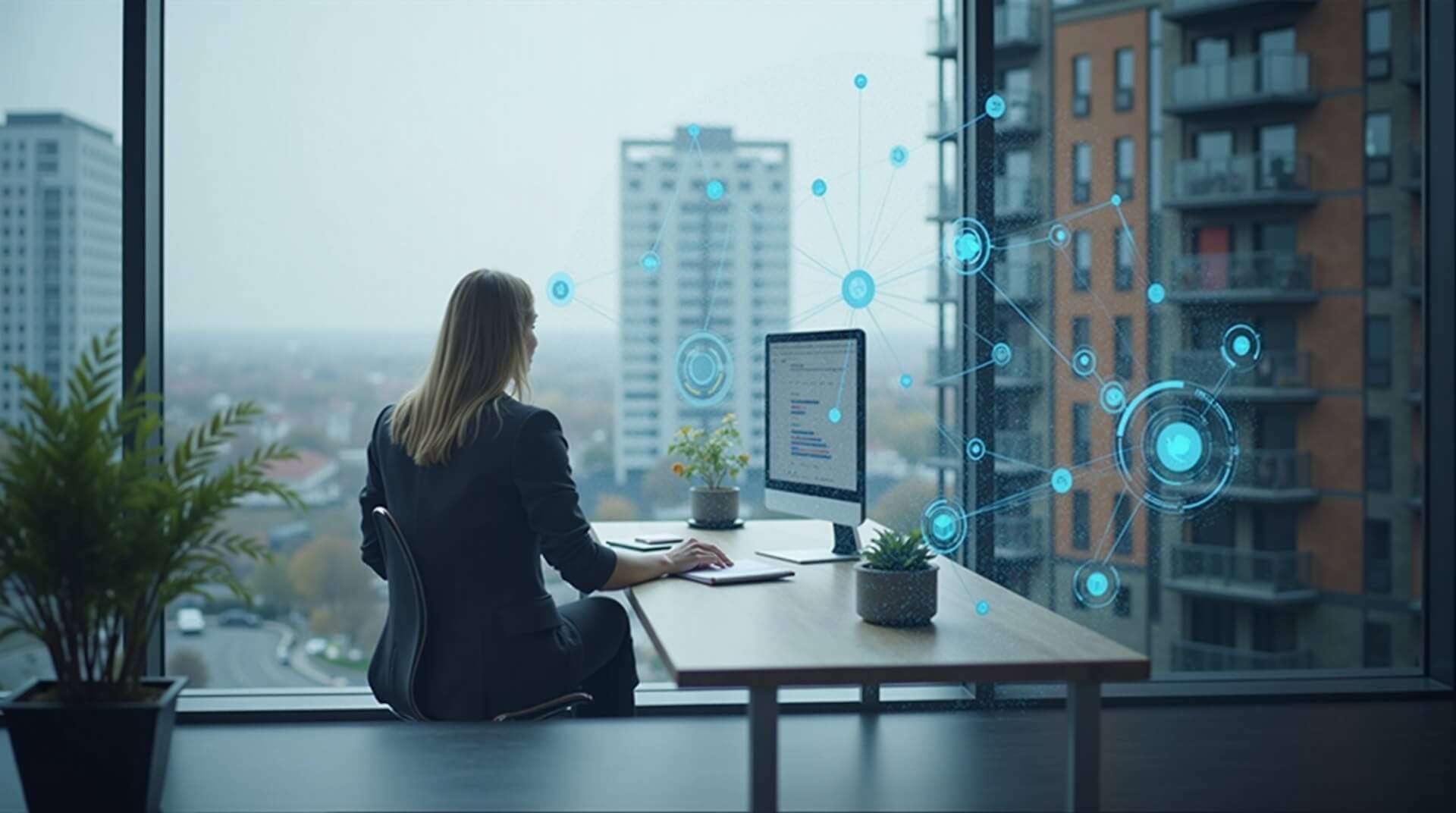
Smart building technology encompasses a range of interconnected systems that use sensors, automation, and data analytics to optimise building performance. In residential blocks, this technology focuses on four key areas: security and access control, energy management, maintenance monitoring, and resident services.
The Internet of Things (IoT) forms the backbone of these systems, enabling devices to communicate with each other and central management platforms. This connectivity allows for real-time monitoring, automated responses to issues, and data-driven decision making that can significantly improve both operational efficiency and resident satisfaction.
What makes residential smart building technology particularly valuable is its ability to scale across different property types, from converted Victorian houses to purpose-built modern developments. The key is selecting solutions that align with both the physical characteristics of the building and the specific needs of residents.
Enhanced Security and Access Control Systems
Security remains a top priority for residential block management, and smart technology has revolutionised how we approach building security. Modern access control systems go far beyond traditional keys and fobs, offering sophisticated solutions that enhance both security and convenience.
Smart entry systems can include video intercoms with smartphone integration, allowing residents to grant access remotely and view visitors from anywhere. These systems often feature facial recognition technology and can integrate with delivery management services, addressing the growing challenge of package security in residential buildings.
Advanced surveillance systems now offer AI-powered analytics that can distinguish between residents, visitors, and potential security threats. These systems can automatically alert management to unusual activity whilst respecting privacy regulations under GDPR and the Data Protection Act 2018.
For managing agents, digital access control provides valuable insights into building usage patterns and can eliminate the costs associated with lost keys or fobs. Many systems also offer temporary access codes for contractors or short-term lets, providing greater flexibility whilst maintaining security.
Intelligent Energy Management and Sustainability
With rising energy costs and increasing environmental consciousness, smart energy management systems represent one of the most compelling applications of building technology. These systems can deliver substantial cost savings whilst supporting sustainability goals that are increasingly important to residents and regulators alike.
Smart heating and cooling systems use occupancy sensors and weather data to optimise temperature control in communal areas. By learning usage patterns, these systems can reduce energy consumption by up to 30% compared to traditional timer-based systems, directly impacting service charges.
Intelligent lighting systems automatically adjust based on natural light levels and occupancy, whilst smart water management can detect leaks early, preventing costly damage and reducing waste. These systems often integrate with smart meters, providing detailed consumption data that helps identify inefficiencies and plan maintenance schedules.
For blocks with electric vehicle charging points, smart charging management can balance load demand and take advantage of off-peak tariffs, reducing costs for all residents. This technology will become increasingly important as EV adoption grows and new developments are required to include charging infrastructure under updated building regulations.
Predictive Maintenance and Building Monitoring
One of the most significant advantages of smart building technology is its ability to predict and prevent maintenance issues before they become costly problems. Sensors throughout the building can monitor everything from lift performance to ventilation system efficiency, alerting management to potential issues early.
Predictive maintenance systems use machine learning algorithms to analyse equipment performance data and predict when maintenance will be needed. This approach can reduce maintenance costs by up to 25% whilst minimising disruption to residents through better planned interventions.
Environmental monitoring systems track air quality, humidity, and temperature throughout the building, ensuring compliance with health and safety regulations whilst identifying potential issues like mould growth or ventilation problems. This is particularly valuable for older buildings where these issues might otherwise go unnoticed until they become serious.
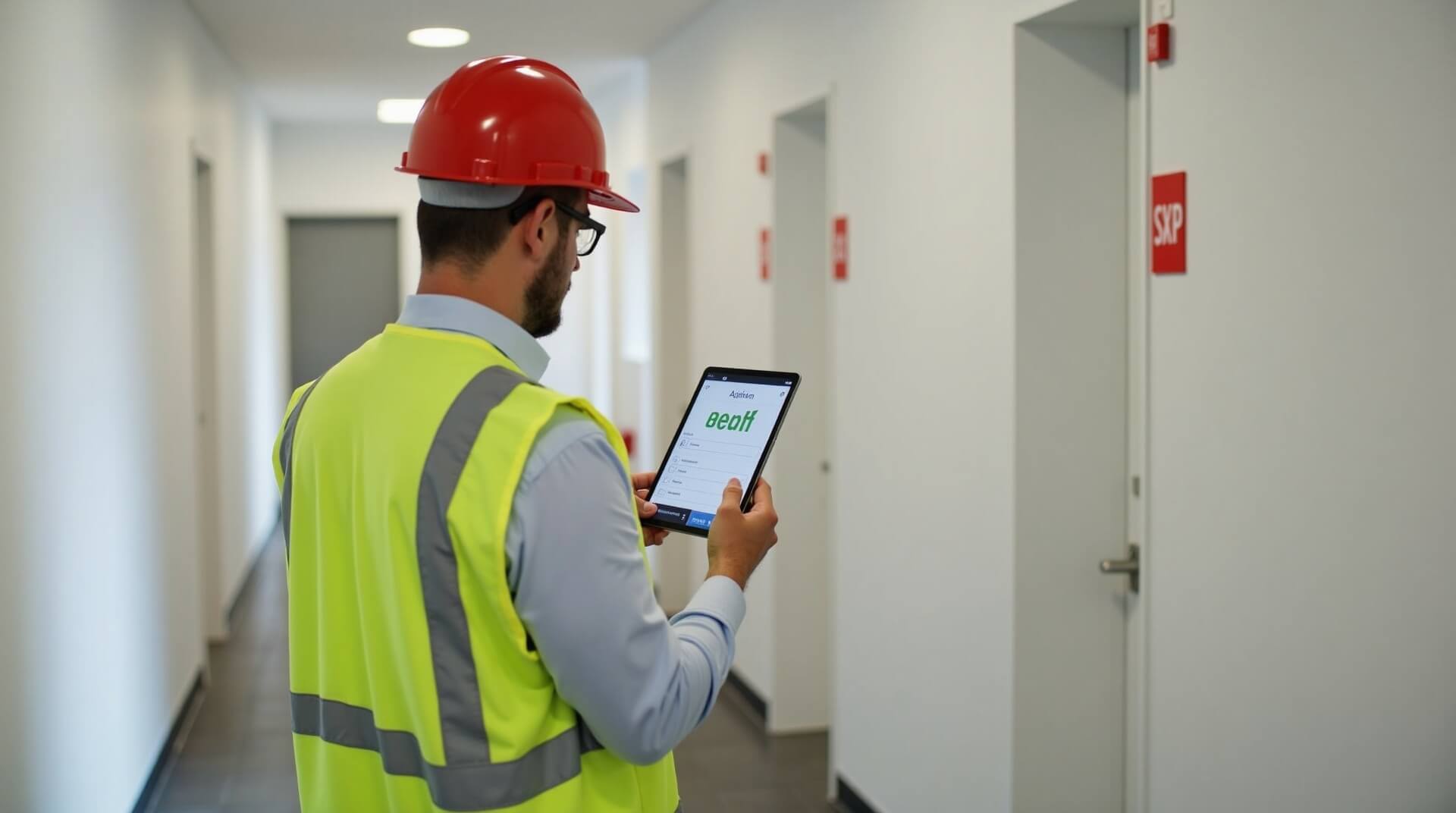
For fire safety compliance, smart systems can provide continuous monitoring of fire doors, emergency lighting, and alarm systems, automatically generating reports required for regulatory compliance under the Regulatory Reform (Fire Safety) Order 2005.
Resident Experience and Communication Platforms
Modern residents expect seamless digital experiences, and smart building technology can significantly enhance how they interact with their living environment. Resident portal applications integrated with building systems provide a single point of access for various services and information.
These platforms can facilitate everything from booking communal facilities and reporting maintenance issues to receiving building announcements and accessing important documents. Integration with smart building systems means residents can monitor their own energy usage, receive alerts about deliveries, and even control smart home features from a single interface.
Communication and transparency are greatly enhanced through these platforms. Residents can receive real-time updates about maintenance work, access detailed breakdowns of service charges, and participate in consultations required under the Commonhold and Leasehold Reform Act 2002.
Modern property management platforms like WiseBlock integrate these resident-facing features with back-office management tools, creating a comprehensive ecosystem that benefits both managers and residents whilst improving operational efficiency.
Implementation Considerations and Best Practices
Successfully implementing smart building technology requires careful planning and consideration of several key factors. Connectivity infrastructure is fundamental—reliable, high-speed internet throughout the building is essential for smart systems to function effectively.
When selecting technology solutions, compatibility and integration capabilities should be prioritised. Systems that can work together and integrate with existing building management platforms will provide better long-term value and avoid creating technology silos.
Privacy and data security must be paramount considerations, particularly given the sensitive nature of residential data. All systems should comply with GDPR requirements and include robust cybersecurity measures. Regular security updates and monitoring are essential ongoing responsibilities.
Resident consultation is crucial for successful implementation. Many smart building features require resident cooperation and buy-in, making clear communication about benefits and privacy protections essential. Consider phased implementation approaches that allow residents to adapt gradually to new technologies.
Budget considerations should include not just initial installation costs but ongoing maintenance, updates, and potential upgrades. Many smart building technologies offer strong return on investment through energy savings and operational efficiencies, but realistic financial planning is essential.
Future-Proofing Your Residential Block
The smart building technology landscape continues to evolve rapidly, with new innovations constantly emerging. When implementing systems, consider scalability and upgrade paths to ensure your investment remains valuable long-term.
Emerging technologies like artificial intelligence for building optimisation and advanced analytics for resident services will likely become standard features. Planning infrastructure that can support these future developments whilst meeting current needs represents a strategic approach to property management.
As building regulations evolve to address climate change and digitalisation, smart building technology will likely transition from optional enhancement to regulatory requirement. Properties that invest in these technologies now will be better positioned for future compliance requirements.
Smart building technology represents a fundamental shift in how residential blocks are managed and experienced. For managing agents willing to embrace these innovations, the benefits extend far beyond cost savings to include enhanced resident satisfaction, improved operational efficiency, and better long-term asset value. The question isn't whether to implement smart building technology, but how quickly and effectively you can integrate these powerful tools into your property management strategy.
Ready to modernise your property management?
See how WiseBlock can transform your operations with a free 30-minute demo.
Schedule a Demo