Smart Building Technology: Transforming UK Residential Blocks
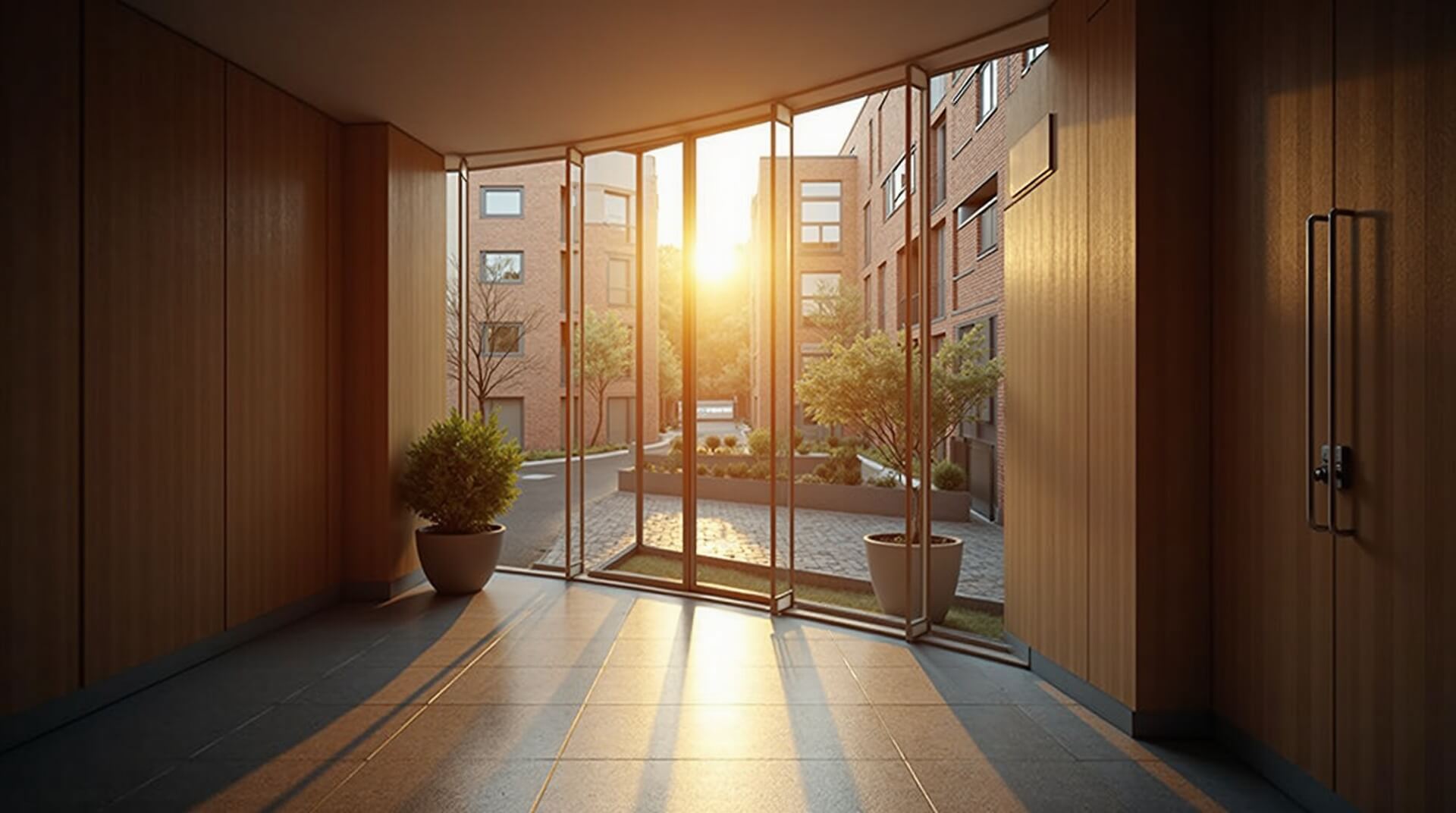
Smart building technology is revolutionising how UK residential blocks operate, offering enhanced security, energy efficiency, and resident satisfaction. From IoT sensors to automated systems, discover how these innovations are reshaping property management.

Sarah Mitchell
Senior Editor · Legislation & Compliance

The landscape of UK residential property management is undergoing a digital revolution. Smart building technology, once the preserve of commercial developments, is increasingly being integrated into residential blocks across the country. This transformation is driven by demands for improved energy efficiency, enhanced security, and better resident experiences – all whilst helping managing agents operate more effectively.
For block managers and managing agents, understanding and implementing smart building solutions has become crucial for remaining competitive in today's market. These technologies offer tangible benefits that extend far beyond mere convenience, delivering measurable improvements in operational efficiency and cost management.
The Foundation of Smart Building Systems
Smart building technology encompasses a network of interconnected devices and systems that collect, analyse, and act upon data to optimise building performance. At its core, this technology relies on the Internet of Things (IoT) – sensors and devices that communicate with each other and central management systems to automate processes and provide real-time insights.
In residential blocks, these systems typically include smart heating and cooling controls, intelligent lighting, access control systems, water leak detection, and environmental monitoring. The integration of these technologies creates a comprehensive ecosystem that can significantly reduce operational costs whilst improving resident satisfaction.
The UK's push towards net-zero carbon emissions by 2050 has further accelerated adoption, with the government's Future Buildings Standard requiring new homes to produce 75-80% fewer carbon emissions from 2025. Smart building technology plays a pivotal role in meeting these ambitious targets.
Enhanced Security and Access Management
Security remains a paramount concern for residential blocks, and smart technology offers sophisticated solutions that surpass traditional approaches. Modern access control systems utilise smartphone apps, biometric scanners, and smart key fobs to provide secure, trackable entry methods that eliminate the need for physical keys.
These systems integrate seamlessly with CCTV networks and can provide real-time alerts to managing agents when unauthorised access attempts occur. Video intercom systems with smartphone connectivity allow residents to grant access remotely, whilst maintaining detailed logs of all entry events.
For managing agents, these systems provide invaluable data about building usage patterns and potential security risks. The ability to grant temporary access codes for contractors, deliveries, or new residents streamlines operations significantly, reducing the administrative burden traditionally associated with key management.
Platforms like WiseBlock are incorporating these smart security features into their property management systems, enabling seamless integration between physical access controls and digital property records.
Energy Efficiency and Environmental Monitoring
Energy management represents one of the most compelling applications of smart building technology. Intelligent heating, ventilation, and air conditioning (HVAC) systems can reduce energy consumption by up to 30% through predictive analytics and automated adjustments based on occupancy patterns and weather forecasts.
Smart meters and energy monitoring systems provide granular data about consumption patterns, enabling managing agents to identify inefficiencies and implement targeted improvements. These insights are particularly valuable for meeting Energy Performance Certificate (EPC) requirements and preparing for upcoming regulations under the Minimum Energy Efficiency Standards (MEES).
Environmental sensors monitor air quality, humidity, and temperature throughout the building, automatically adjusting systems to maintain optimal conditions whilst minimising energy waste. This proactive approach prevents issues such as condensation and mould growth, which can lead to costly remediation work and tenant complaints.
Water leak detection systems represent another crucial environmental monitoring application. These sensors can detect leaks within minutes of occurrence, automatically shutting off water supplies and alerting property managers immediately. Given that water damage claims can cost thousands of pounds, the return on investment for these systems is typically realised within the first prevented incident.
Predictive Maintenance and Operational Efficiency
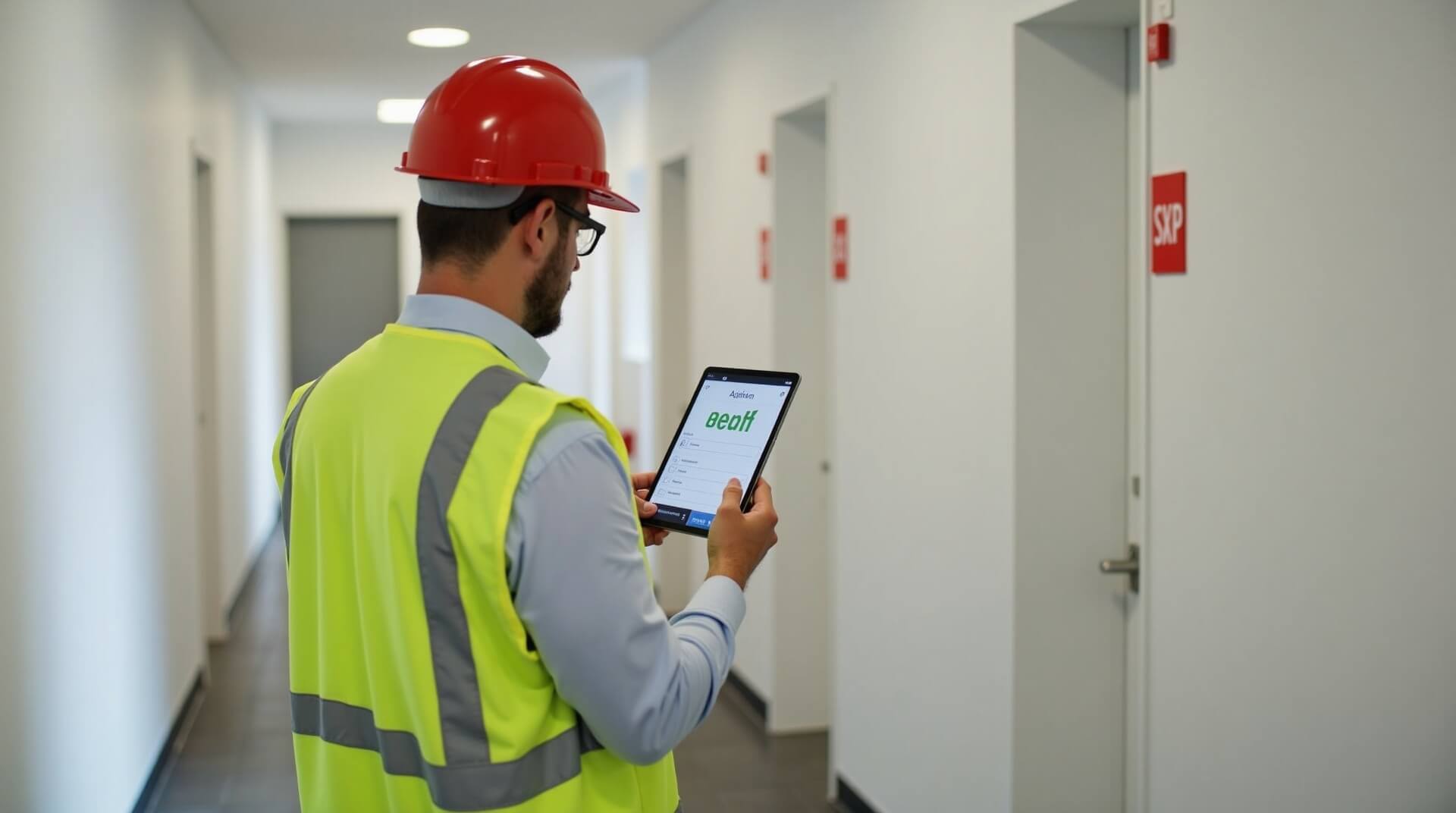
Perhaps the most transformative aspect of smart building technology is its ability to shift maintenance from reactive to predictive. By continuously monitoring equipment performance, these systems can identify potential failures before they occur, scheduling maintenance during convenient times rather than dealing with emergency breakdowns.
Lift monitoring systems, for example, can track usage patterns, mechanical stress, and component wear to predict when maintenance is required. This approach significantly reduces unexpected service interruptions and extends equipment lifespan, delivering substantial cost savings over time.
Smart building management systems integrate with maintenance scheduling platforms, automatically generating work orders when sensors detect issues or when scheduled maintenance is due. This integration ensures nothing is overlooked whilst providing managing agents with comprehensive oversight of all building operations.
The data collected by these systems also enables more accurate budgeting and reserve fund planning, as historical performance data provides clearer insights into replacement cycles and maintenance costs.
Implementation Considerations and Future Outlook
Whilst the benefits of smart building technology are clear, successful implementation requires careful planning and consideration. Data protection compliance under UK GDPR is crucial, particularly when systems collect information about resident behaviour and movements. Managing agents must ensure all systems are configured with appropriate privacy safeguards and that residents understand what data is being collected and how it's used.
The initial investment in smart building technology can be substantial, but the long-term benefits typically justify the costs. Most systems achieve payback within 2-3 years through reduced energy costs, lower maintenance expenses, and improved operational efficiency. Additionally, properties with smart building features often command premium rents and experience lower void rates.
Interoperability between different systems remains a challenge, making it essential to choose solutions that use open standards and can integrate with existing building management platforms. Modern property management solutions like WiseBlock are designed to accommodate these integrations, providing centralised oversight of both digital and physical building systems.
Looking ahead, the integration of artificial intelligence and machine learning will further enhance smart building capabilities. These technologies will enable even more sophisticated predictive analytics and automated decision-making, potentially revolutionising how residential blocks are managed and maintained.
As the technology continues to evolve and costs decrease, smart building systems will become increasingly accessible to smaller residential developments. Managing agents who embrace these technologies now will be better positioned to meet the evolving expectations of residents and regulatory requirements in the years ahead.
Ready to modernise your property management?
See how WiseBlock can transform your operations with a free 30-minute demo.
Schedule a Demo