Smart Building Technology: Transforming UK Residential Blocks in 2024
Smart building technology is revolutionising UK residential blocks, offering enhanced security, energy efficiency, and resident satisfaction whilst reducing operational costs for managing agents and landlords.

Priya Sharma
Innovation Correspondent · AI & Digital Transformation
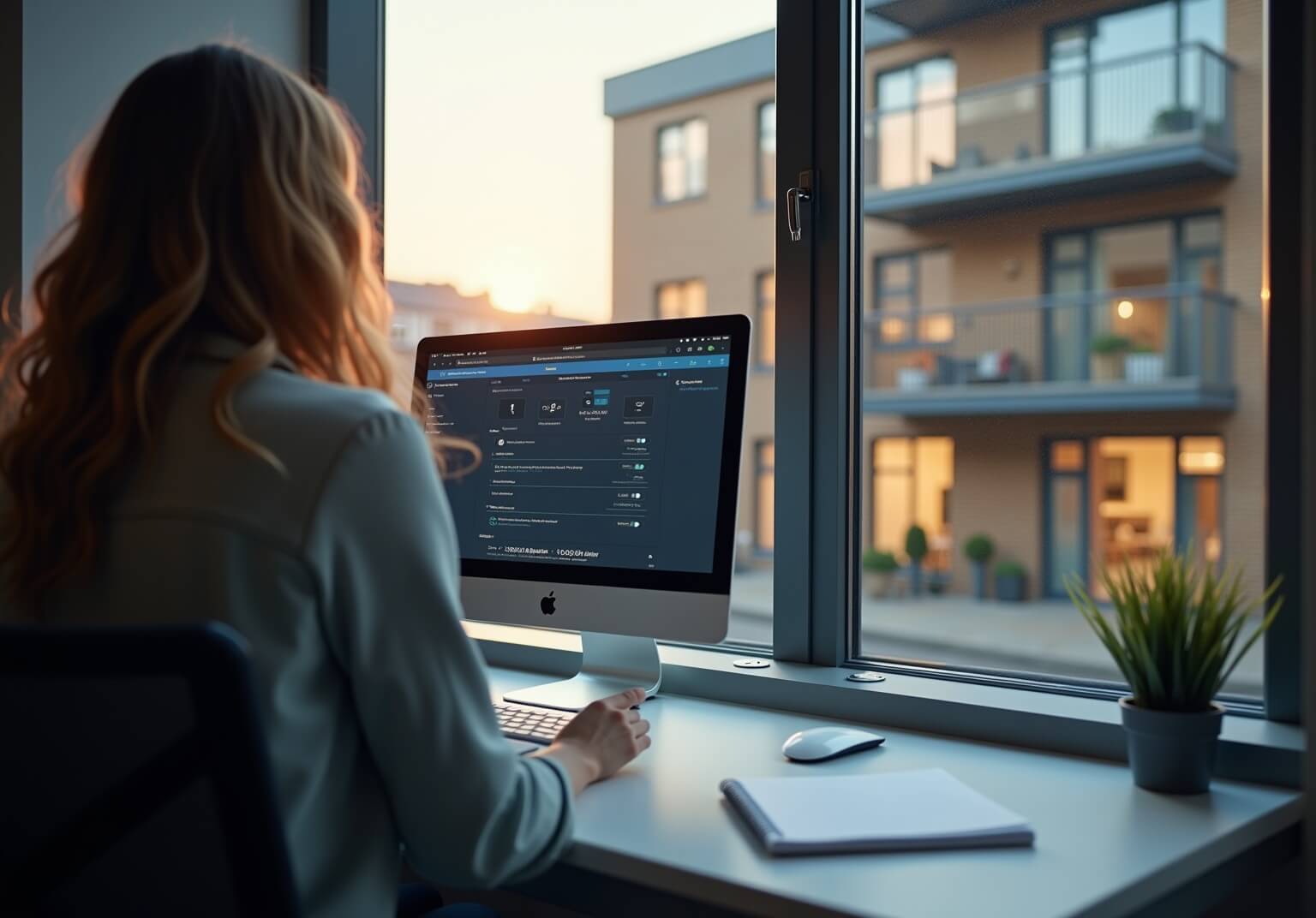
The UK residential property sector is experiencing a technological revolution. Smart building technology, once the preserve of commercial developments, is now transforming how residential blocks operate, from Victorian conversions in Kensington to modern developments in Manchester's Northern Quarter. For managing agents, landlords, and block managers, understanding and implementing these technologies isn't just about staying current—it's about delivering tangible benefits to residents whilst improving operational efficiency and property values.
The Current State of Smart Buildings in UK Residential Property
According to recent industry research, over 60% of new UK residential developments now incorporate some form of smart building technology. This shift isn't merely driven by consumer demand for convenience—it's increasingly becoming a necessity for meeting regulatory requirements, particularly around energy efficiency and safety compliance following the Building Safety Act 2022.
Smart building technology encompasses a broad range of interconnected systems that collect, analyse, and respond to data about building performance and occupant behaviour. In residential blocks, this typically includes intelligent access control, environmental monitoring, energy management systems, and predictive maintenance capabilities.
The technology stack has evolved significantly, with cloud-based platforms now enabling remote monitoring and management—a capability that proved invaluable during the COVID-19 pandemic when on-site visits were restricted. Modern platforms like WiseBlock are integrating these smart building capabilities with traditional property management functions, creating unified dashboards that give managing agents unprecedented visibility into their portfolio performance.
Enhanced Security and Access Control Systems
Security remains the primary concern for residential block managers, and smart technology is delivering sophisticated solutions that go far beyond traditional entry systems. Modern smart access control combines multiple authentication methods—mobile apps, key fobs, facial recognition, and temporary digital keys for visitors and contractors.
These systems provide detailed audit trails, essential for compliance with data protection regulations and useful for resolving disputes. Video door entry systems now feature cloud storage, allowing residents to see who visited even when they were away. Integration with building management platforms means managing agents can grant temporary access to maintenance teams without physical key exchanges, reducing both security risks and administrative overhead.
Key benefits include:
- Remote access management reducing call-out fees
- Detailed visitor logs improving security accountability
- Integration with emergency services for faster response times
- Reduced insurance premiums due to enhanced security measures
Energy Efficiency and Environmental Monitoring
With UK residential properties responsible for approximately 15% of the country's carbon emissions, smart building technology plays a crucial role in achieving net-zero targets. The recent introduction of Minimum Energy Efficiency Standards (MEES) for residential lettings makes energy performance a legal requirement, not just an environmental consideration.
Smart heating, ventilation, and air conditioning (HVAC) systems can reduce energy consumption by up to 30% through predictive algorithms that learn occupancy patterns and adjust temperatures accordingly. Smart meters and sub-metering systems provide real-time energy usage data, enabling both residents and managing agents to identify inefficiencies quickly.
Environmental sensors monitor air quality, humidity, and temperature throughout buildings, helping prevent issues like condensation and mould—common problems in UK properties that can lead to costly repairs and tenant complaints. Early detection systems can alert managing agents to potential issues before they escalate, reducing both remediation costs and resident disruption.
The integration of smart environmental controls has reduced our energy costs by 25% across our residential portfolio whilst significantly improving tenant satisfaction scores.
Predictive Maintenance and Asset Management
Traditional reactive maintenance approaches are being replaced by predictive systems that monitor building assets continuously. Internet of Things (IoT) sensors on lifts, boilers, and water systems collect performance data that algorithms analyse to predict when maintenance is required.
This shift from reactive to predictive maintenance delivers substantial cost savings. Research by the Chartered Institute of Housing suggests that predictive maintenance can reduce overall maintenance costs by up to 40% whilst extending asset lifecycles significantly. For managing agents handling multiple residential blocks, this technology enables more efficient resource allocation and reduces emergency call-outs that often carry premium charges.
Smart water leak detection systems are particularly valuable in UK properties, where water damage claims average £2,500 per incident. These systems can detect minor leaks before they cause significant damage, automatically shutting off water supplies and alerting managing agents immediately.
Implementation Considerations for UK Managing Agents
Successfully implementing smart building technology requires careful planning and stakeholder engagement. The legal framework governing residential blocks, including the Commonhold and Leasehold Reform Act 2002, means that major technology upgrades often require leaseholder consultation and approval.
Key implementation steps include:
- Conducting thorough building assessments to identify suitable technologies
- Engaging with leaseholders early in the planning process
- Ensuring compliance with GDPR for data collection and storage
- Selecting vendors with strong UK support capabilities
- Planning for ongoing training and system maintenance
Cost considerations vary significantly depending on building size and technology scope. Basic smart access control systems start from £3,000 per building, whilst comprehensive smart building platforms can require investments of £15,000-£50,000. However, these costs are often offset within 2-3 years through energy savings, reduced maintenance costs, and improved property values.
Future Trends and Opportunities
The smart building technology landscape continues to evolve rapidly. Artificial intelligence and machine learning capabilities are becoming more sophisticated, enabling systems to make autonomous decisions about building operations. Integration with smart city initiatives is creating opportunities for residential blocks to participate in demand response programmes, potentially generating revenue through flexible energy consumption.
The forthcoming Building Safety Act requirements will likely drive further adoption of smart monitoring systems, particularly for fire safety and structural monitoring in high-rise residential buildings. Managing agents who invest in these technologies now will be well-positioned to meet future regulatory requirements whilst delivering enhanced services to their clients.
As the technology matures and costs continue to decrease, smart building features are becoming essential for maintaining competitive rental yields and property values in the UK market. The question for managing agents is no longer whether to adopt smart building technology, but how quickly they can implement it effectively to benefit both their operations and their residents.
Ready to modernise your property management?
See how WiseBlock can transform your operations with a free 30-minute demo.
Schedule a Demo