
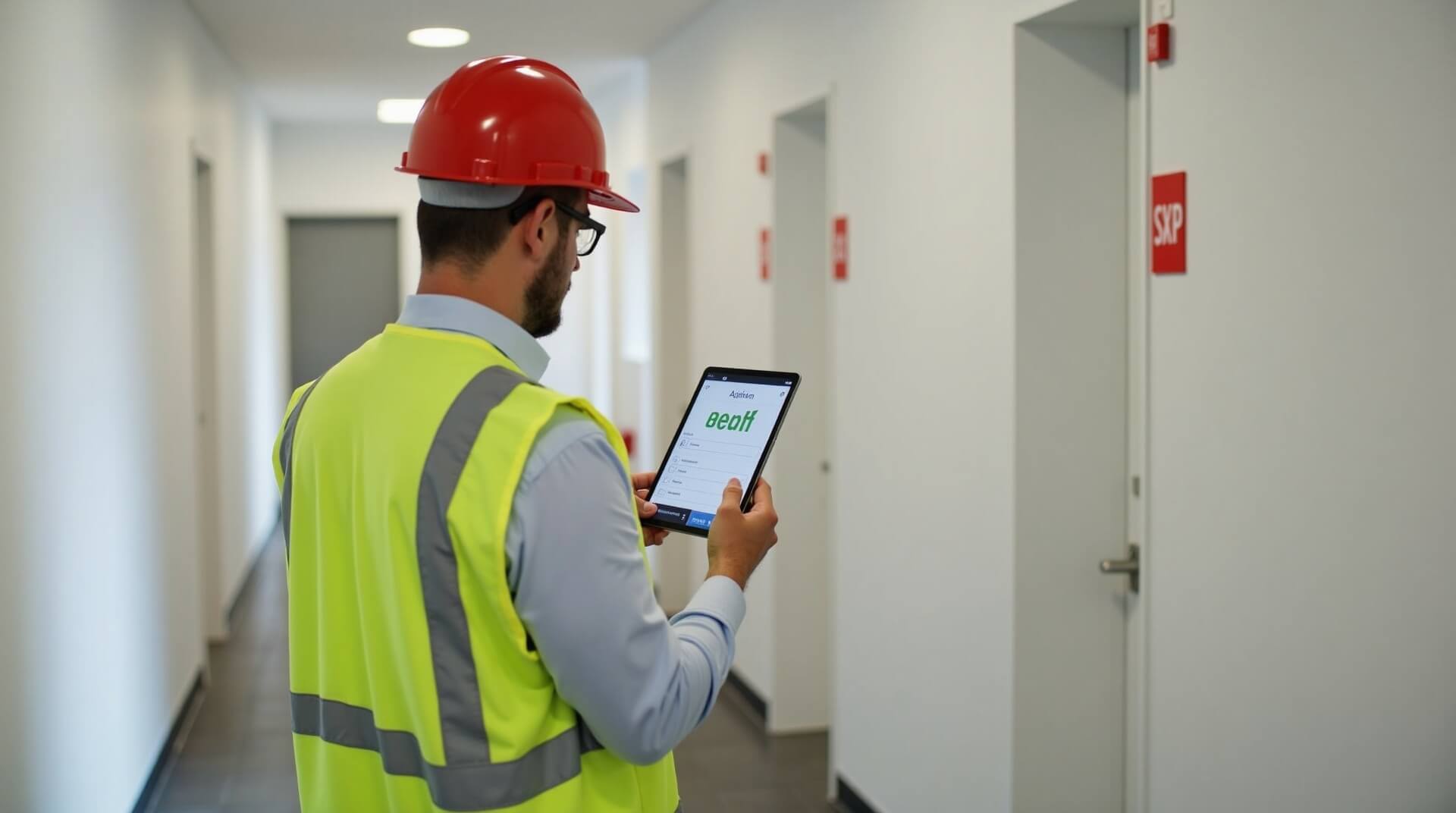
UK Fire Safety Compliance Under the Building Safety Act: A Complete Guide
The Building Safety Act 2022 has transformed fire safety compliance for UK property managers, introducing new responsibilities and digital requirements that demand immediate attention.

Priya Sharma
Innovation Correspondent · AI & Digital Transformation

The Building Safety Act 2022 represents the most significant overhaul of fire safety legislation in the UK for decades. Born from the tragic lessons of Grenfell Tower, this comprehensive framework has fundamentally altered how property managers, landlords, and managing agents approach fire safety compliance across residential buildings.
For those responsible for building safety, understanding these changes isn't just about regulatory compliance—it's about protecting lives and livelihoods whilst navigating an increasingly complex digital landscape of reporting and documentation requirements.
Key Changes Under the Building Safety Act
The Act introduces a risk-based regulatory system that places unprecedented emphasis on competence, accountability, and ongoing safety management. Unlike previous legislation that focused primarily on construction standards, the new framework extends throughout a building's entire lifecycle.
Higher-Risk Buildings (HRBs) are now subject to the most stringent requirements. These include residential buildings over 18 metres tall or containing seven or more storeys, which must register with the Building Safety Regulator and appoint a Principal Accountable Person.
The legislation also expands the scope of the Fire Safety Order, requiring managing agents to assess and manage fire risks in common areas more comprehensively. This includes regular reviews of fire risk assessments, implementation of fire safety management systems, and maintenance of detailed records.
Digital Transformation and Documentation Requirements
One of the most challenging aspects of the new regime is the digital documentation burden. The Act mandates that building owners maintain a "golden thread" of information—a digital record that tracks all building safety information throughout the structure's lifecycle.
This digital transformation requires property management companies to implement robust systems for:
- Recording and tracking all fire safety inspections and maintenance
- Managing contractor competency records and certifications
- Storing building plans, safety case reports, and risk assessments
- Facilitating resident engagement and incident reporting
- Providing real-time access to safety information for emergency services
Modern platforms like WiseBlock are increasingly essential for managing these complex digital requirements, offering integrated systems that help property managers maintain compliance whilst streamlining day-to-day operations.
The Accountable Person Framework
The Act introduces the concept of "Accountable Persons" who bear legal responsibility for building safety compliance. The Principal Accountable Person (typically the freeholder or building owner) holds ultimate responsibility, but managing agents may also be designated as Accountable Persons depending on their contractual arrangements.
Key responsibilities include:
- Assessing building safety risks and taking reasonable steps to prevent or reduce them
- Establishing and implementing a safety case that demonstrates how building safety risks are being managed
- Registering the building with the Building Safety Regulator
- Engaging with residents through a formal resident engagement strategy
- Reporting safety occurrences to the regulator within specified timeframes
Managing agents must carefully review their service agreements to understand their designation and ensure they have appropriate competency, resources, and insurance coverage to fulfil these obligations.
Practical Implementation Steps
Implementing effective fire safety compliance requires a systematic approach that addresses both immediate regulatory requirements and long-term safety management.
Immediate Actions:
Begin with a comprehensive audit of existing fire safety arrangements. This should include reviewing current fire risk assessments, checking the competency of appointed fire safety professionals, and evaluating existing documentation systems.
For HRBs, registration with the Building Safety Regulator must be completed by the specified deadline. This process requires detailed building information, safety case documentation, and appointment of competent Accountable Persons.
Long-term Strategy Development:
Develop robust safety management systems that integrate fire safety into broader building maintenance and management processes. This includes establishing clear procedures for contractor vetting, incident reporting, and resident communication.
Investment in digital infrastructure is crucial. Property management teams need systems that can handle complex compliance requirements whilst providing clear oversight of safety performance across their portfolio.
Working with Technology Partners
The complexity of modern fire safety compliance makes technology partnerships increasingly valuable. Effective platforms should provide comprehensive fire safety management capabilities, including automated compliance tracking, contractor management, and resident communication tools.
When evaluating technology solutions, consider systems that offer:
- Integration with existing property management workflows
- Automated compliance reporting and deadline management
- Secure document storage with audit trails
- Mobile accessibility for on-site inspections and reporting
- Resident portal functionality for safety communications
The Building Safety Act represents both a challenge and an opportunity for the property management sector. While compliance requirements are more demanding than ever, the emphasis on professional competency and systematic safety management provides a framework for raising industry standards.
Success in this new environment requires combining regulatory expertise with digital innovation, ensuring that fire safety compliance becomes an integrated part of modern property management practice rather than a separate administrative burden.
Ready to modernise your property management?
See how WiseBlock can transform your operations with a free 30-minute demo.
Schedule a Demo