
Managing Anti-Social Behaviour in Residential Blocks: A Complete Guide
Anti-social behaviour can severely impact residential communities and property values. Learn the legal frameworks, practical intervention strategies, and digital tools that help managing agents tackle these challenges effectively.

Priya Sharma
Innovation Correspondent · AI & Digital Transformation

Anti-social behaviour (ASB) remains one of the most challenging issues facing managing agents and block managers across the UK. From persistent noise complaints to more serious incidents of harassment or criminal damage, ASB can severely impact residents' quality of life, property values, and community cohesion. The key to effective management lies in understanding your legal powers, implementing robust procedures, and leveraging modern digital tools to document and address issues systematically.
Understanding the Legal Framework
The Anti-social Behaviour, Crime and Policing Act 2014 provides the primary legal framework for addressing ASB in residential settings. This legislation defines anti-social behaviour as conduct that is capable of causing nuisance or annoyance to any person, or conduct capable of causing housing-related nuisance or annoyance to persons with a right to occupy housing accommodation.
For leasehold properties, managing agents can also rely on lease covenants that typically include clauses prohibiting nuisance, annoyance, or illegal activities. The Commonhold and Leasehold Reform Act 2002 strengthened leaseholders' rights while maintaining landlords' abilities to enforce reasonable behaviour standards.
Key legal tools available include:
- Community Protection Notices (CPNs) - for ongoing ASB affecting the community
- Civil Injunctions - to prevent specific behaviours with potential imprisonment for breaches
- Criminal Behaviour Orders - following criminal convictions
- Closure Powers - for properties used for criminal activities
Establishing Clear Policies and Procedures
Effective ASB management begins with clear, well-communicated policies. Your management company should establish comprehensive procedures covering complaint reporting, investigation processes, escalation pathways, and enforcement actions. These policies should be included in resident handbooks and made available on digital platforms.
A robust ASB policy should include:
- Clear definitions of unacceptable behaviour
- Multiple reporting channels (phone, email, online portals)
- Expected response timeframes
- Escalation procedures for serious incidents
- Support resources for affected residents
Consider implementing a three-tier approach: informal intervention for minor issues, formal warnings for persistent problems, and legal action for serious or repeated offences. Modern property management platforms like WiseBlock can help streamline these processes by providing centralised incident reporting and case management tools.
Early Intervention Strategies
Prevention is invariably better than cure when it comes to ASB. Early intervention strategies can often resolve issues before they escalate into serious problems requiring formal enforcement action.
Mediation services can be particularly effective for neighbour disputes. Many local authorities offer free mediation services, and organisations like Mediation UK provide trained mediators who can help residents resolve conflicts amicably.
Regular community engagement activities can also help build relationships between residents and create a stronger sense of shared responsibility. Consider organising:
- Annual residents' meetings
- Social events and community initiatives
- Resident liaison groups
- Clear communication channels for non-urgent concerns
Environmental design improvements can also deter ASB. Better lighting, CCTV installation (where appropriate and compliant with data protection laws), and maintaining common areas to high standards all contribute to creating environments where ASB is less likely to occur.
Documentation and Evidence Gathering
Successful enforcement action depends on robust evidence. Managing agents must maintain detailed records of all ASB incidents, including dates, times, witnesses, and any supporting evidence such as photographs, CCTV footage, or audio recordings.
Encourage residents to maintain incident diaries, documenting each occurrence with specific details. This evidence becomes crucial when pursuing formal enforcement action or working with local authorities and police.
Key documentation requirements include:
- Detailed incident reports with timestamps
- Witness statements where available
- Photographic evidence of damage or disturbances
- Records of all communications with the perpetrator
- Evidence of impact on other residents
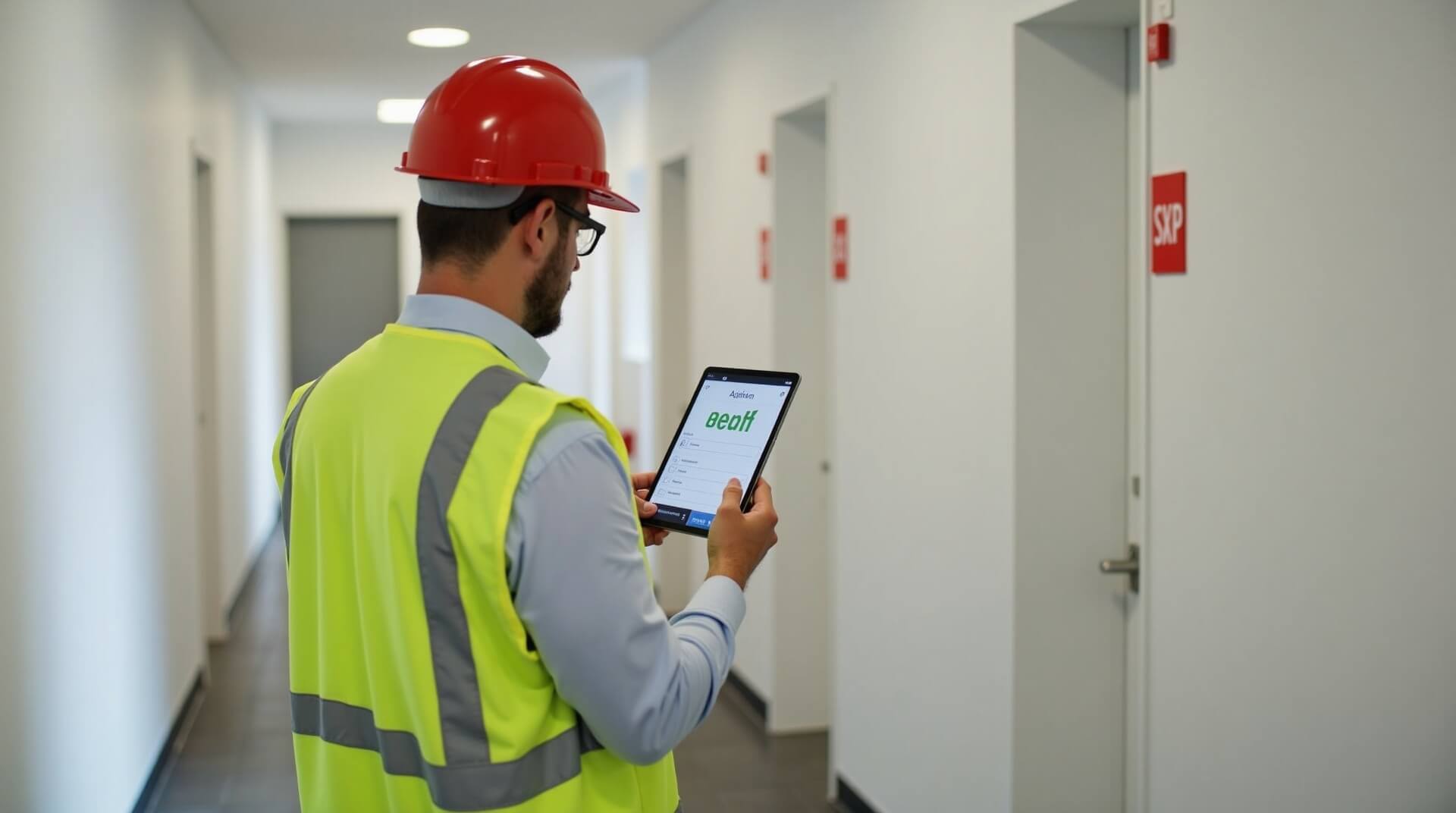
Digital property management systems excel in this area, providing secure, timestamped records that can be easily retrieved for legal proceedings. These platforms also enable residents to submit reports with photos and documentation directly, improving response times and evidence quality.
Working with External Agencies
Managing agents rarely tackle serious ASB cases alone. Building strong relationships with local authorities, police, and specialist support services is essential for effective case management.
Local authority ASB teams have specialist knowledge and additional powers under the 2014 Act. They can apply for injunctions, issue Community Protection Notices, and coordinate multi-agency responses to complex cases. Many councils operate Community Safety Partnerships that bring together housing providers, police, health services, and other agencies.
For cases involving mental health issues or vulnerable individuals, early engagement with social services and health authorities can help address underlying causes while protecting other residents. The Care Act 2014 places duties on local authorities to assess and support adults who may be at risk.
When criminal activity is suspected, prompt reporting to police is essential. The Crime and Disorder Act 1998 creates duties for agencies to work together in preventing crime and disorder, and police have specialist community safety officers who understand housing-related ASB.
Technology Solutions for Modern ASB Management
Digital transformation is revolutionising how managing agents handle ASB cases. Modern platforms provide integrated solutions that streamline reporting, case management, and communications while ensuring compliance with data protection requirements.
Effective ASB management systems should offer:
- 24/7 online incident reporting capabilities
- Automated case tracking and escalation
- Secure document storage and evidence management
- Communication tools for coordinating with residents and agencies
- Reporting dashboards for monitoring trends and outcomes
These systems also enable managing agents to identify patterns and hotspots, allowing for proactive interventions. Analytics can reveal whether certain times, locations, or circumstances correlate with increased ASB incidents, informing prevention strategies.
GDPR compliance is crucial when handling ASB data. Ensure any platform used provides appropriate data protection safeguards, including encryption, access controls, and clear data retention policies.
Effective ASB management requires a combination of clear policies, early intervention, robust evidence gathering, and strong partnerships with external agencies. Modern digital tools can significantly enhance these efforts while ensuring compliance and improving outcomes for residential communities.
By taking a systematic, professional approach to ASB management, managing agents can protect residents' wellbeing, preserve property values, and maintain thriving residential communities. The key is acting promptly, documenting thoroughly, and knowing when to escalate issues to appropriate authorities while maintaining clear communication with all stakeholders throughout the process.
Ready to modernise your property management?
See how WiseBlock can transform your operations with a free 30-minute demo.
Schedule a Demo