
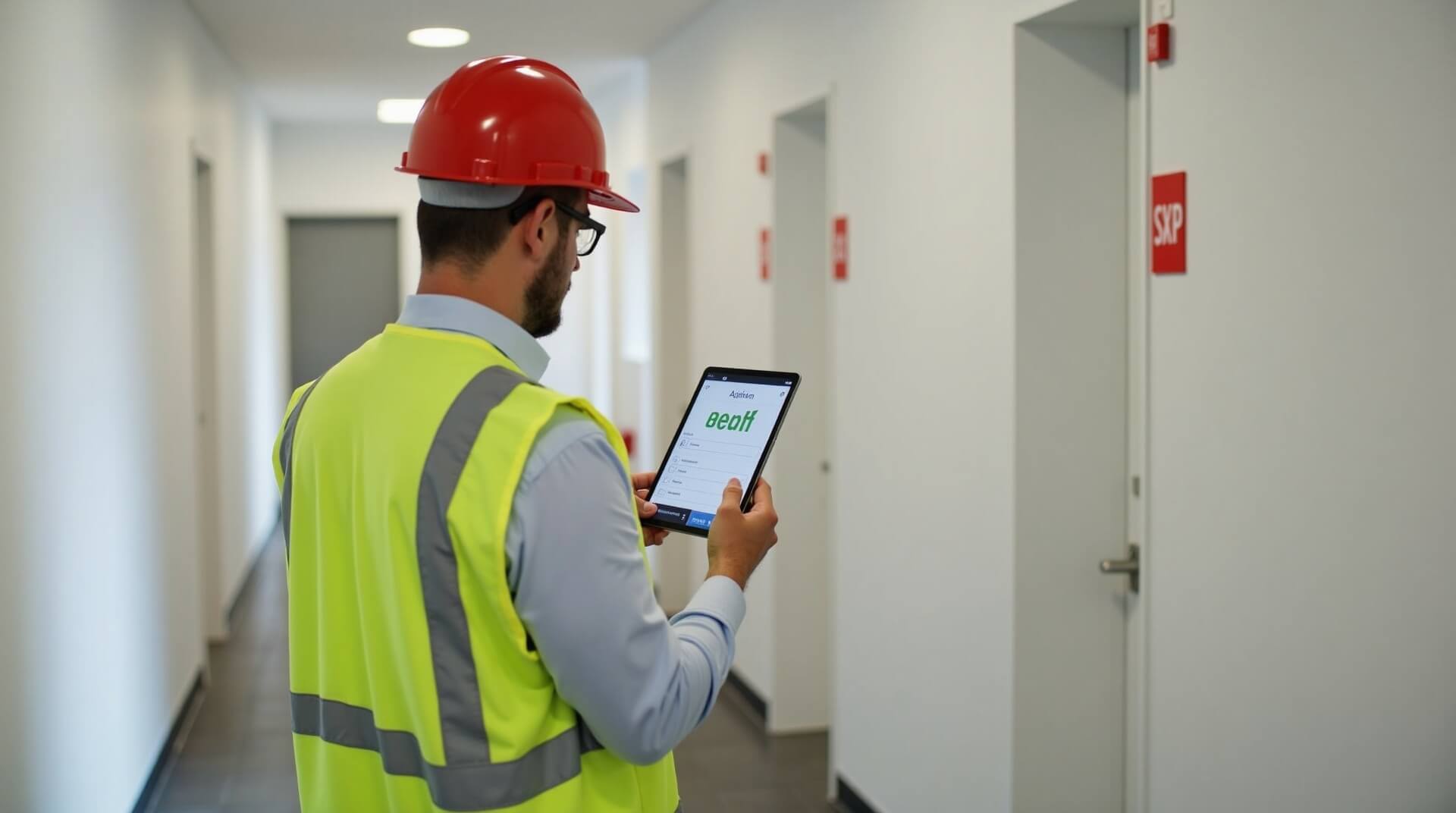
The Future of Block Management in the UK: Digital Innovation Reshapes the Industry
The UK block management sector is undergoing a digital revolution, with AI, PropTech, and new regulations transforming how residential and commercial properties are managed in 2024 and beyond.

Priya Sharma
Innovation Correspondent · AI & Digital Transformation
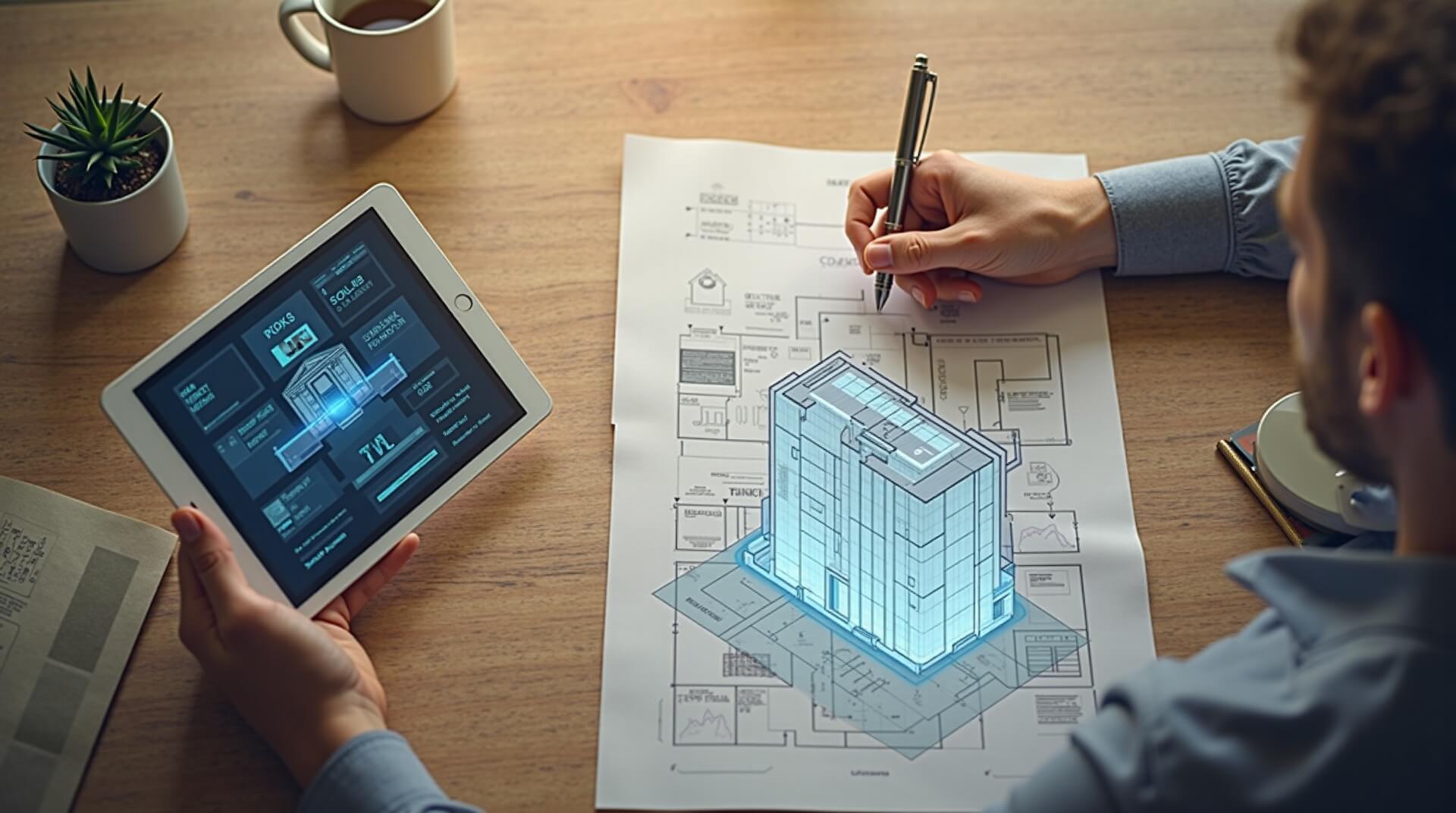
The UK block management industry stands at a pivotal moment. As we progress through 2024, a confluence of technological advancement, regulatory evolution, and changing leaseholder expectations is fundamentally reshaping how residential and commercial blocks are managed across Britain.
From artificial intelligence streamlining maintenance schedules to blockchain revolutionising service charge transparency, the sector that manages millions of flats and commercial units is experiencing its most significant transformation in decades.
The Digital Transformation Accelerates
The adoption of digital technologies in UK block management has accelerated dramatically since 2020. What began as a necessity during the pandemic has evolved into a competitive advantage for forward-thinking managing agents and property management companies.
Cloud-based property management platforms are now becoming the industry standard. These systems enable real-time collaboration between managing agents, leaseholders, contractors, and freeholders, replacing the traditional paper-heavy processes that have dominated the sector for decades.
Modern platforms like WiseBlock are demonstrating how integrated digital solutions can streamline everything from service charge collection to maintenance request management, providing transparency and efficiency that today's tech-savvy leaseholders increasingly expect.
The integration of Internet of Things (IoT) sensors is particularly transformative. Smart meters, leak detection systems, and environmental monitoring devices are enabling predictive maintenance strategies that can prevent costly emergencies and extend the lifespan of building systems.
Artificial Intelligence: The Game Changer
AI applications in block management are moving beyond experimental phases into practical implementation. Machine learning algorithms are now capable of:
- Predictive maintenance scheduling - analysing historical data to forecast when building systems are likely to require attention
- Automated service charge calculations - reducing human error and ensuring compliance with lease terms
- Intelligent contractor matching - pairing maintenance requirements with the most suitable service providers based on expertise, availability, and cost
- Energy optimisation - managing heating, lighting, and ventilation systems to reduce costs while maintaining comfort
Industry leaders predict that by 2027, AI-powered systems will handle up to 60% of routine administrative tasks in block management, freeing up human expertise for complex problem-solving and relationship management.
Regulatory Evolution and Compliance Technology
The regulatory landscape continues to evolve following the Building Safety Act 2022 and the Leasehold and Freehold Reform Act 2024. These legislative changes are driving demand for more sophisticated compliance management tools.
Building safety compliance has become significantly more complex, with new requirements for:
- Digital safety case management for high-risk buildings
- Comprehensive resident engagement systems
- Advanced fire safety monitoring and reporting
- Structured building information management
Technology providers are responding with integrated compliance platforms that automate reporting, track certification renewals, and maintain comprehensive audit trails. This technological support is crucial as managing agents face increased personal liability under the new regulatory framework.
The anticipated reforms to leasehold law are also driving innovation in service charge transparency tools, with blockchain-based ledgers emerging as a solution for immutable financial record-keeping that could satisfy even the most stringent transparency requirements.
Sustainability and ESG Integration
Environmental, Social, and Governance (ESG) considerations are rapidly becoming central to block management strategy. The UK's commitment to net-zero emissions by 2050 is creating both challenges and opportunities for the sector.
Energy management systems are becoming more sophisticated, with AI-driven platforms optimising consumption across entire portfolios. These systems can:
- Monitor and reduce carbon footprints in real-time
- Identify opportunities for renewable energy integration
- Coordinate building-wide sustainability initiatives
- Generate comprehensive ESG reporting for stakeholders
The integration of electric vehicle charging infrastructure is becoming a standard consideration in block management planning, with smart charging systems that balance grid demand and minimise costs for residents.
The Rise of Leaseholder Self-Service
Leaseholder expectations have fundamentally shifted towards self-service capabilities and real-time information access. Modern block management platforms are responding with comprehensive resident portals that provide:
- 24/7 access to service charge breakdowns and historical data
- Digital maintenance request submission and tracking
- Community communication tools and notice boards
- Document libraries with lease agreements and building information
- Online payment systems with automated reminders and receipts
This shift towards digital self-service is not merely about convenience - it's fundamentally changing the relationship between managing agents and leaseholders, creating opportunities for more proactive, consultative service delivery.
Looking Ahead: Challenges and Opportunities
The future of UK block management will be shaped by several key factors:
Skills Development: The industry must address the digital skills gap through comprehensive training programmes and recruitment strategies that attract tech-savvy professionals to the sector.
Cybersecurity: As digital adoption accelerates, robust cybersecurity frameworks become essential to protect sensitive leaseholder data and financial information.
Integration Standards: The development of industry-wide data standards will be crucial for seamless integration between different technology platforms and service providers.
Generational Change: Millennials and Gen Z leaseholders have fundamentally different expectations around digital service delivery, transparency, and environmental responsibility.
The block management companies that thrive in this new landscape will be those that embrace technology not as an end in itself, but as a means to deliver superior service, greater transparency, and more sustainable building management.
As we look towards 2025 and beyond, the UK block management sector stands poised for unprecedented innovation. The convergence of regulatory reform, technological advancement, and changing stakeholder expectations creates a unique opportunity for industry transformation that will benefit leaseholders, freeholders, and managing agents alike.
The future belongs to those who can successfully blend traditional property expertise with cutting-edge digital capabilities, creating a more efficient, transparent, and sustainable approach to block management across the United Kingdom.
Ready to modernise your property management?
See how WiseBlock can transform your operations with a free 30-minute demo.
Schedule a Demo