Health and Safety Obligations for Building Managers: A Comprehensive Guide
Building managers face extensive health and safety responsibilities under UK law. Understanding these obligations is crucial for protecting residents and avoiding legal liability.

David Okafor
Safety & Compliance Editor · Fire Safety & Building Regulations

Building managers in the UK carry significant health and safety responsibilities that extend far beyond basic property maintenance. With the evolution of building safety legislation following the Grenfell Tower tragedy and the introduction of the Building Safety Act 2022, these obligations have become more stringent and far-reaching than ever before.
Understanding and fulfilling these duties is not just about legal compliance—it's about protecting the lives and wellbeing of residents whilst safeguarding your organisation from potentially devastating liability claims.
Legal Framework and Primary Obligations
The Health and Safety at Work etc. Act 1974 forms the cornerstone of health and safety law in the UK, establishing the fundamental duty of care that building managers owe to residents, visitors, and employees. Under Section 3 of the Act, building managers must conduct their undertaking in a way that ensures, so far as is reasonably practicable, that persons not in their employment are not exposed to risks to their health and safety.
This overarching duty is supplemented by numerous specific regulations, including:
- The Management of Health and Safety at Work Regulations 1999
- The Fire Safety Order 2005 (England and Wales)
- The Construction (Design and Management) Regulations 2015
- The Control of Asbestos Regulations 2012
- The Control of Legionella Bacteria in Water Systems (ACoP L8)
The Building Safety Act 2022 has introduced additional responsibilities for higher-risk residential buildings, creating the role of the Accountable Person and establishing the Building Safety Regulator with enhanced powers of enforcement.
Risk Assessment and Management Systems
Effective risk management begins with comprehensive risk assessment. Building managers must identify potential hazards throughout their properties, evaluate the likelihood and severity of harm, and implement appropriate control measures. This process should be systematic, documented, and regularly reviewed.
Key areas requiring risk assessment include:
- Fire safety: Including means of escape, fire detection and alarm systems, and emergency lighting
- Structural integrity: Regular inspections of building fabric, balconies, and common areas
- Water safety: Legionella risk assessments and water temperature monitoring
- Asbestos management: Surveys and management plans for pre-2000 buildings
- Electrical safety: Regular inspection and testing of communal electrical installations
- Gas safety: Annual inspections of communal gas appliances and installations
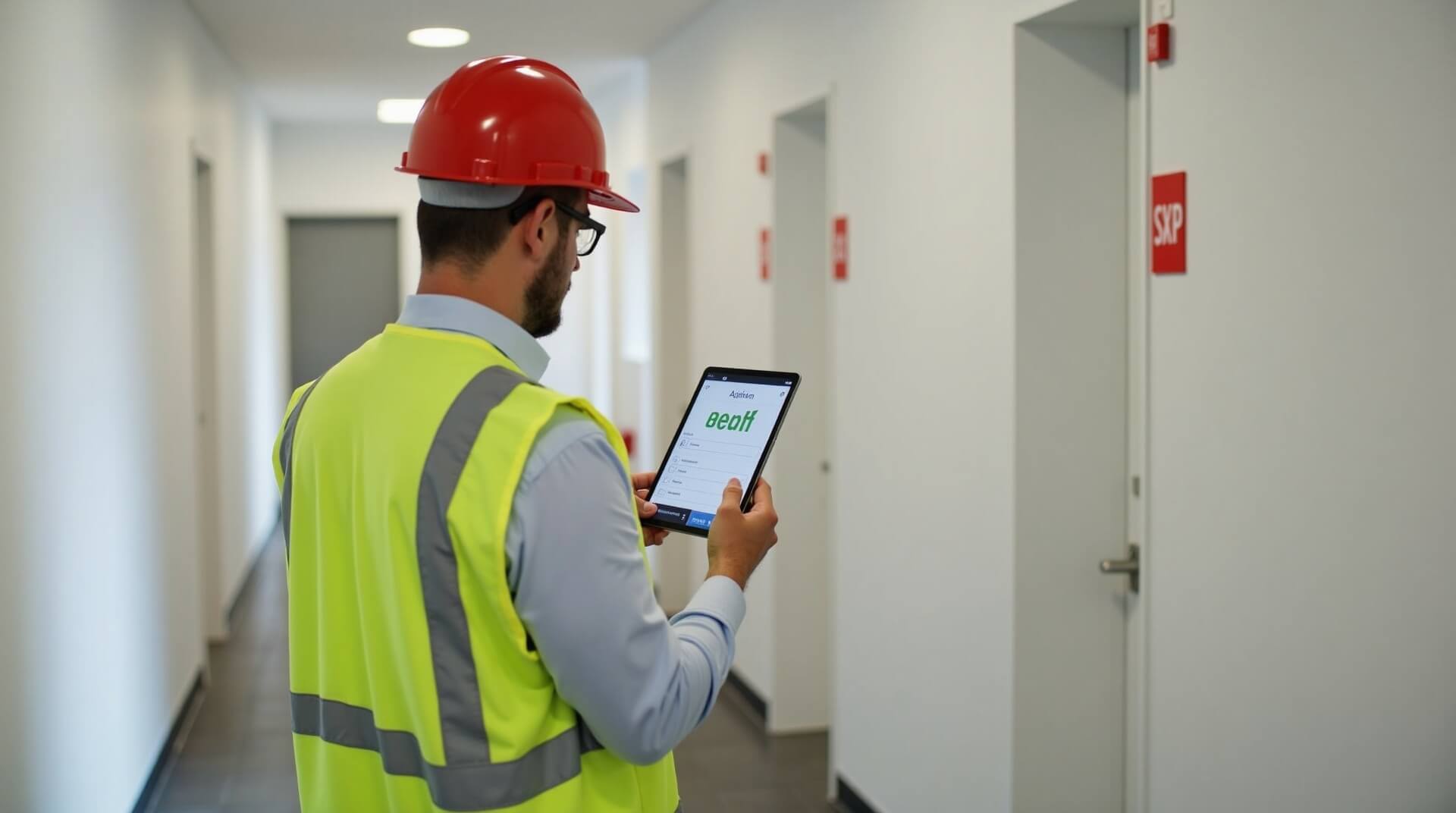
Modern property management platforms like WiseBlock can streamline this process by providing digital risk assessment tools, automated compliance tracking, and centralised documentation systems that ensure nothing falls through the cracks.
Fire Safety Responsibilities
Fire safety represents one of the most critical aspects of building management. Under the Regulatory Reform (Fire Safety) Order 2005, building managers typically serve as the "Responsible Person" for communal areas, carrying legal responsibility for fire risk assessments and the implementation of appropriate fire safety measures.
Key fire safety obligations include:
- Conducting and regularly reviewing comprehensive fire risk assessments
- Implementing and maintaining appropriate fire safety measures
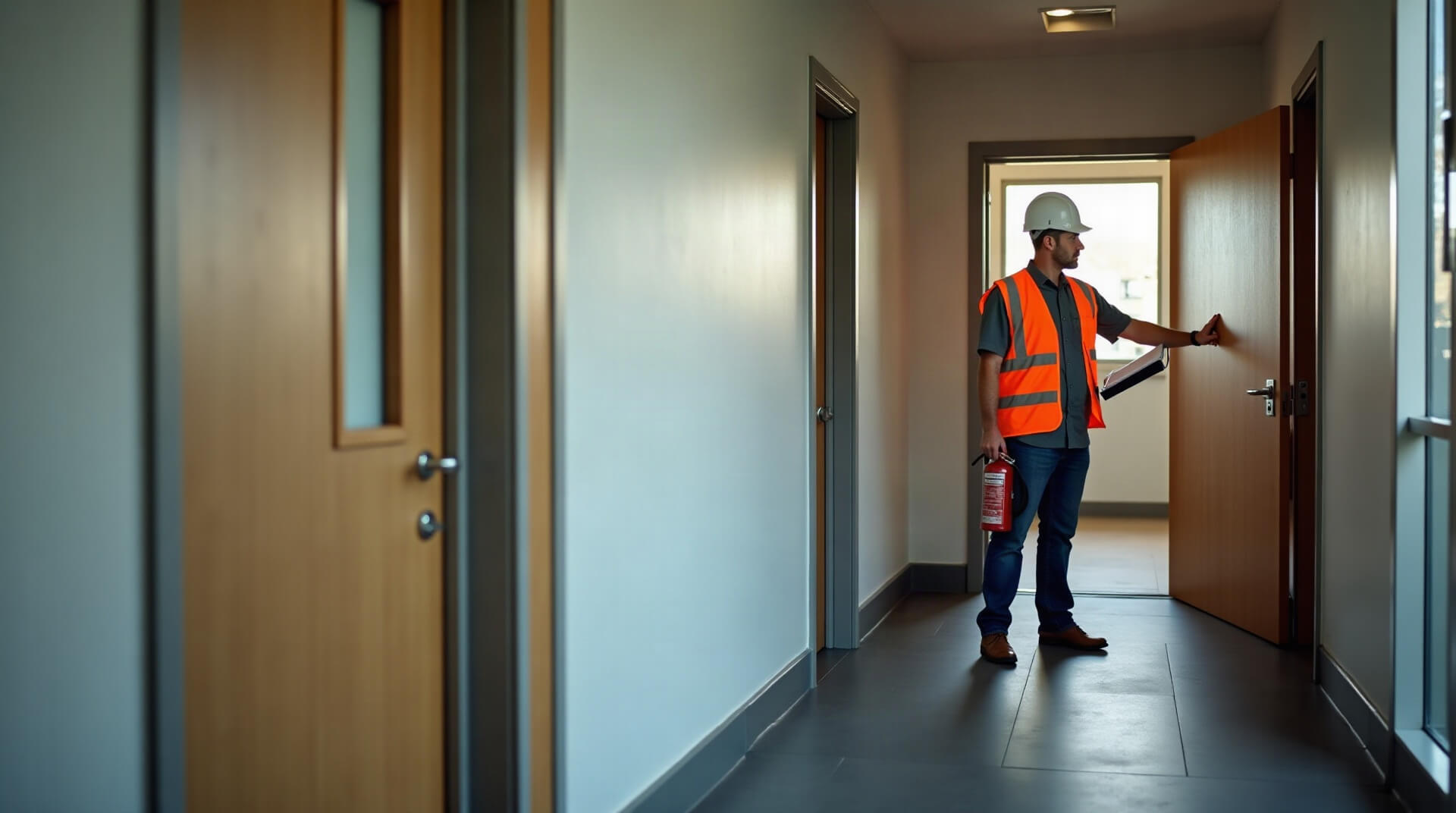
- Ensuring means of escape are kept clear and properly maintained
- Providing appropriate fire safety information to residents
- Maintaining fire detection and alarm systems
- Organising regular fire drills where appropriate
For buildings within scope of the Building Safety Act 2022, additional requirements apply, including the appointment of competent persons, enhanced resident engagement, and mandatory occurrence reporting to the Building Safety Regulator.
Maintenance and Inspection Programmes
Proactive maintenance is essential for meeting health and safety obligations. Building managers must establish comprehensive planned preventive maintenance (PPM) programmes covering all building systems and safety equipment.
Critical maintenance activities include:
- Emergency lighting: Monthly functional tests and annual duration tests
- Fire alarm systems: Weekly call point tests and six-monthly full system tests
- Lift maintenance: Regular inspections by competent engineers and LOLER examinations
- Water systems: Monthly temperature monitoring and quarterly microbiological testing
- Ventilation systems: Regular filter changes and annual performance assessments
Documentation of all maintenance activities is crucial, as this provides evidence of compliance and due diligence in the event of an incident or enforcement action.
Training, Competence, and Record-Keeping
Building managers must ensure they and their teams possess the necessary competence to discharge health and safety responsibilities effectively. This includes understanding relevant legislation, industry best practices, and emergency procedures.
Essential competency areas include:
- Fire safety management and risk assessment
- Health and safety law and regulations
- Building systems and maintenance requirements
- Emergency response procedures
- Contractor management and CDM compliance
Professional development through organisations such as the Institute of Residential Property Management (IRPM) or the Association of Residential Managing Agents (ARMA) can help ensure ongoing competence.
Comprehensive record-keeping is fundamental to demonstrating compliance. Key records include risk assessments, maintenance schedules, inspection reports, training records, incident reports, and correspondence with residents and contractors. Digital platforms can significantly improve record management, providing searchable databases and automated alerts for upcoming inspections or training renewals.
Enforcement and Consequences of Non-Compliance
The consequences of failing to meet health and safety obligations can be severe. Enforcement agencies, including local authority environmental health officers, the Health and Safety Executive, and fire and rescue services, have extensive powers including:
- Improvement notices requiring specific actions within set timeframes
- Prohibition notices preventing use of dangerous areas or equipment
- Prosecution leading to unlimited fines and potential imprisonment
- Enforcement action under the Building Safety Act including monetary penalties
Beyond regulatory enforcement, building managers face potential civil liability claims from residents who suffer harm due to health and safety failures. Professional indemnity and public liability insurance are essential, but they cannot substitute for robust compliance systems.
The key to successful health and safety management lies in creating systematic, documented processes that ensure compliance becomes embedded in daily operations rather than an additional burden.
Modern technology platforms can transform how building managers approach their health and safety obligations. Solutions like WiseBlock provide integrated compliance management systems that automate routine tasks, centralise documentation, and provide real-time oversight of building safety performance.
Health and safety compliance in building management is complex and demanding, but it's also fundamental to protecting lives and livelihoods. By understanding legal obligations, implementing robust management systems, and maintaining high standards of competence and record-keeping, building managers can successfully navigate these responsibilities whilst protecting their residents and organisations from harm.
Ready to modernise your property management?
See how WiseBlock can transform your operations with a free 30-minute demo.
Schedule a Demo