Health and Safety Obligations for Building Managers: A Complete Guide
Building managers face extensive health and safety obligations under UK law. Understanding these duties is crucial for protecting residents and avoiding legal liability.

Sarah Mitchell
Senior Editor · Legislation & Compliance

Building managers carry significant health and safety responsibilities that extend far beyond basic property maintenance. With evolving legislation and heightened scrutiny following recent high-profile incidents, understanding these obligations has never been more critical for protecting residents and avoiding legal consequences.
Legal Framework and Primary Duties
The Health and Safety at Work etc. Act 1974 forms the cornerstone of building managers' safety obligations. Under this legislation, building managers have a general duty to ensure, so far as is reasonably practicable, the health, safety and welfare of all persons who may be affected by their activities.
The Management of Health and Safety at Work Regulations 1999 further specify that building managers must:
- Conduct suitable and sufficient risk assessments
- Implement appropriate preventive and protective measures
- Provide adequate information, instruction, training and supervision
- Maintain emergency procedures and arrangements
- Monitor and review safety measures regularly
Additionally, the Building Safety Act 2022 has introduced enhanced duties for higher-risk buildings, requiring building managers to demonstrate active management of building safety risks throughout the building's lifecycle.
Fire Safety Responsibilities
Fire safety represents one of the most critical areas of building management. Under the Regulatory Reform (Fire Safety) Order 2005, building managers as 'responsible persons' must:
Conduct Fire Risk Assessments: Regular, comprehensive assessments must identify fire hazards, evaluate risks to occupants, and document findings. These assessments should be reviewed annually or following any significant changes to the building or its use.
Maintain Fire Safety Equipment: All fire detection systems, alarms, emergency lighting, and firefighting equipment must be regularly tested and maintained. Records of all testing and maintenance activities must be kept for inspection.
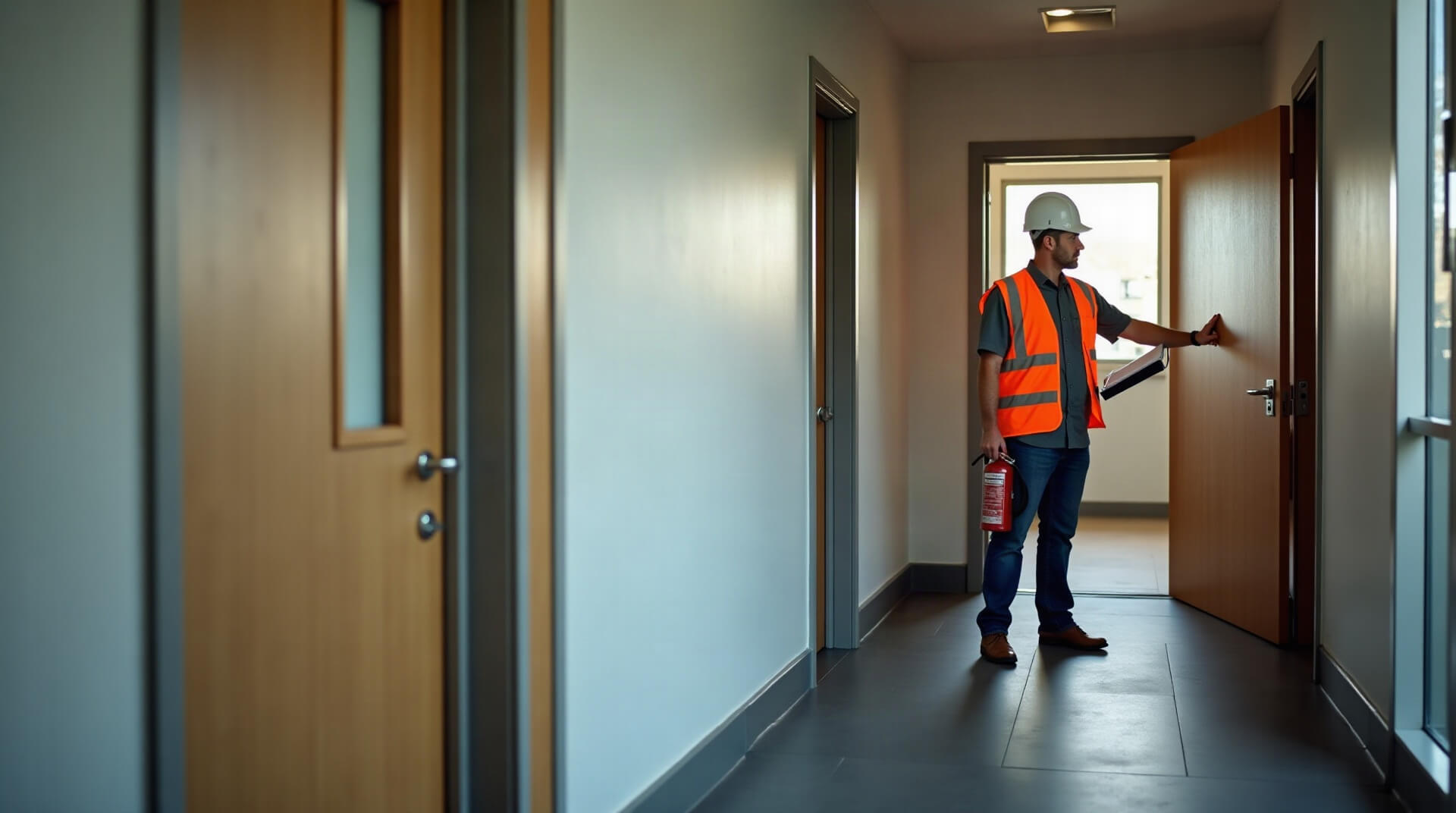
Ensure Clear Escape Routes: Fire exits must remain unobstructed, clearly marked, and equipped with appropriate signage and emergency lighting. Regular inspections should verify that escape routes are maintained in good condition.
Provide Information and Training: Residents and staff must receive appropriate fire safety information, including evacuation procedures and the location of fire safety equipment.
Structural and Building Safety
Building managers must ensure the structural integrity and safety of their buildings through regular inspections and maintenance programmes. Key obligations include:
Regular Inspections: Systematic inspection schedules should cover all common areas, structural elements, and safety systems. The Housing Act 2004 requires managers to address Category 1 hazards that pose serious threats to health and safety.
Lift Safety: Under the Lifting Operations and Lifting Equipment Regulations (LOLER) 1998, lifts must undergo thorough examinations by competent persons at prescribed intervals - typically every six months for passenger lifts.
Gas Safety: The Gas Safety (Installation and Use) Regulations 1998 require annual safety checks of all gas appliances in common areas, with valid certificates maintained and readily available.
Electrical Safety: Regular electrical installation condition reports (EICRs) must be conducted, typically every five years for commercial premises, with any identified defects promptly remedied.
Health and Environmental Obligations
Building managers must address various health hazards that can affect residents' wellbeing:
Water Safety: The Control of Substances Hazardous to Health Regulations (COSHH) require managers to assess and control risks from legionella bacteria in water systems. This includes regular temperature monitoring, cleaning, and disinfection of water tanks and systems.
Asbestos Management: Buildings constructed before 2000 may contain asbestos. The Control of Asbestos Regulations 2012 require managers to identify, assess, and manage asbestos-containing materials through comprehensive management plans.
Air Quality and Ventilation: Adequate ventilation must be maintained in common areas to prevent condensation, mould growth, and poor air quality that could affect residents' health.
Documentation and Record-Keeping
Comprehensive documentation is essential for demonstrating compliance and managing legal risks. Building managers should maintain detailed records of:
- Risk assessments and safety inspections
- Maintenance and testing schedules
- Training provided to staff and residents
- Incident reports and corrective actions
- Contractor qualifications and certifications
- Emergency procedures and evacuation plans
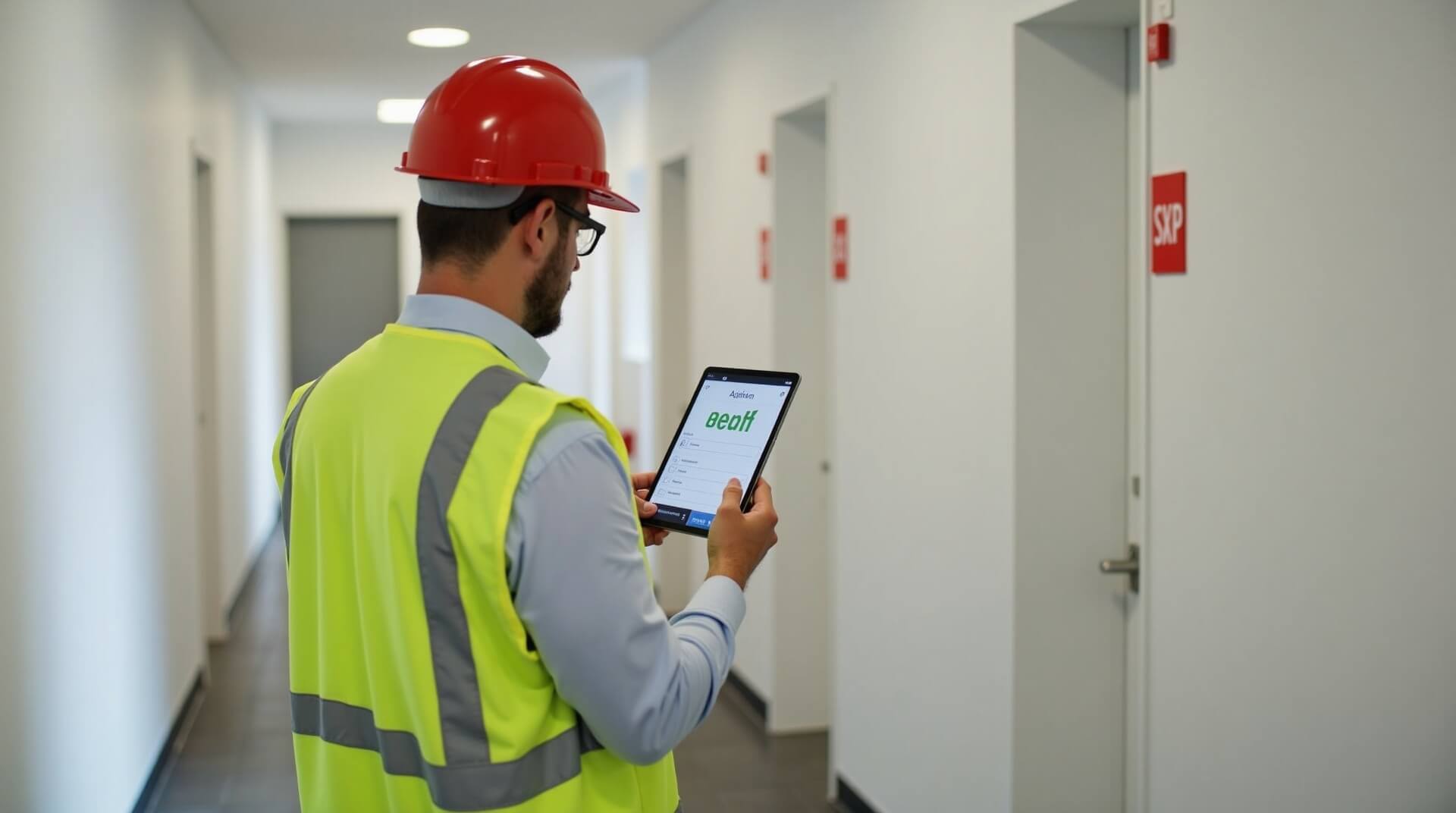
Modern property management platforms like WiseBlock can streamline this process by providing centralised documentation systems that ensure critical safety records are properly maintained and easily accessible for inspections.
Best Practices for Compliance
To effectively manage health and safety obligations, building managers should adopt a proactive approach:
Develop Comprehensive Policies: Create written health and safety policies that clearly outline procedures, responsibilities, and reporting mechanisms.
Regular Training: Ensure all staff receive appropriate health and safety training, with refresher courses provided annually.
Contractor Management: Verify that all contractors hold appropriate qualifications, insurance, and follow safe working practices.
Resident Communication: Maintain clear channels for residents to report safety concerns and ensure prompt investigation and resolution of issues.
Professional Support: Consider engaging qualified health and safety consultants for complex assessments and advice on compliance matters.
The consequences of failing to meet health and safety obligations can be severe, including prosecution, unlimited fines, and personal liability for building managers. Taking a proactive approach to compliance not only protects residents but also safeguards your professional reputation and financial interests.
As regulatory requirements continue to evolve, building managers must stay informed about legislative changes and industry best practices. Regular review of procedures, ongoing professional development, and investment in appropriate management systems will help ensure continued compliance and the safety of all building occupants.
Ready to modernise your property management?
See how WiseBlock can transform your operations with a free 30-minute demo.
Schedule a Demo