
The Future of Block Management in the UK: Technology and Transformation
The UK block management sector is undergoing rapid transformation driven by digitalisation, regulatory changes, and evolving resident expectations. Here's what the future holds for managing agents and their clients.

Priya Sharma
Innovation Correspondent · AI & Digital Transformation
The UK block management industry stands at a pivotal moment. With over 4 million leasehold properties across England and Wales, the sector is experiencing unprecedented change driven by technological innovation, regulatory reform, and shifting resident expectations. As we look towards the future, managing agents must prepare for a landscape that will be fundamentally different from today's traditional approaches.
Digital Transformation: From Paper to Platform
The most significant shift in block management is the move from paper-based systems to comprehensive digital platforms. This transformation extends far beyond simple digitisation—it represents a complete reimagining of how blocks are managed, maintained, and governed.
Modern property management platforms are integrating artificial intelligence to automate routine tasks, predict maintenance needs, and enhance decision-making processes. For instance, AI-powered systems can analyse historical maintenance data to predict when lifts might require servicing or when building components may need replacement, enabling proactive rather than reactive management.
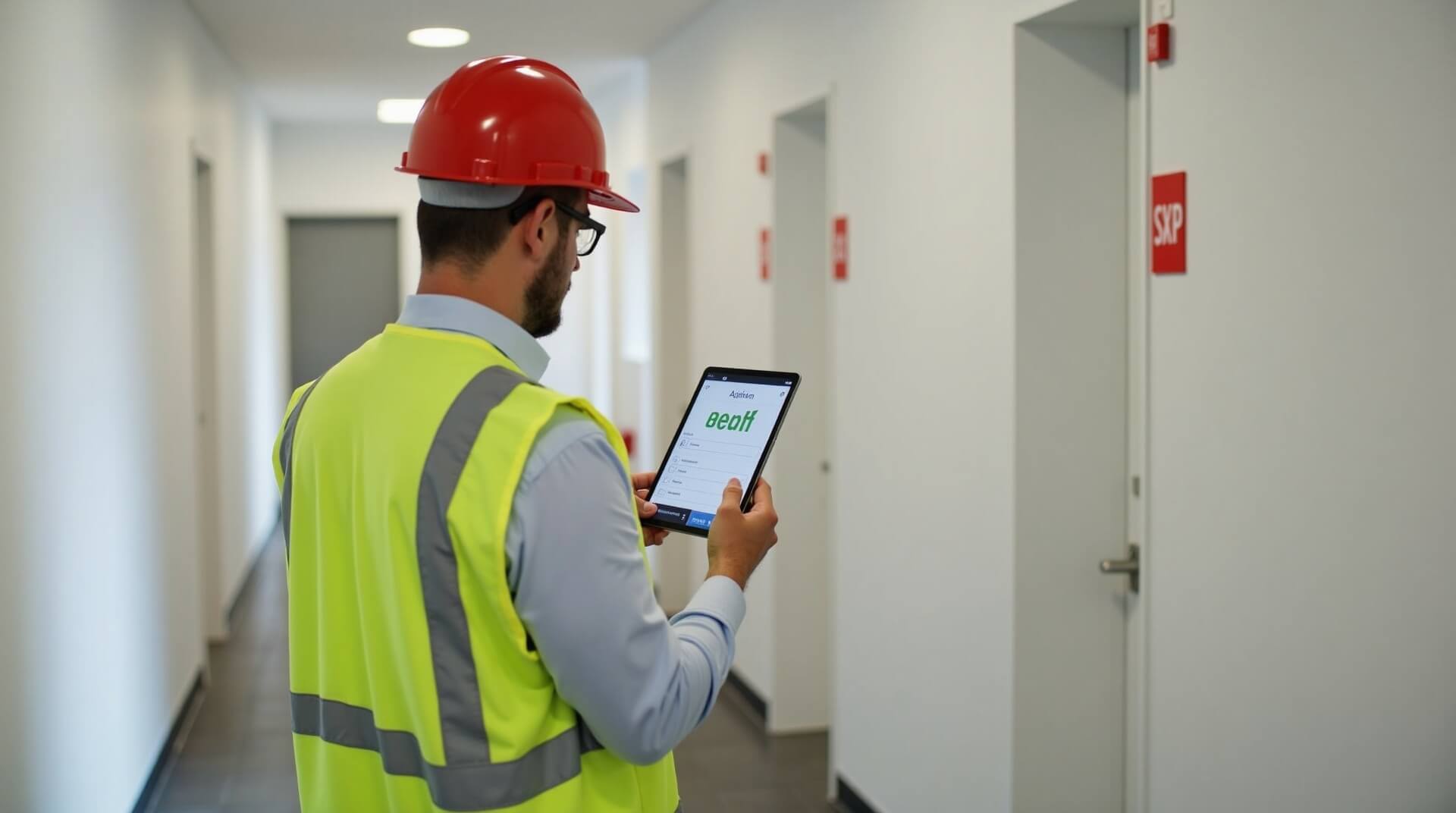
Cloud-based solutions are becoming the industry standard, offering real-time access to critical information from anywhere. This shift has been accelerated by recent global events, with managing agents recognising the need for flexible, remote-accessible systems. Platforms like WiseBlock are leading this charge by providing comprehensive digital solutions that streamline everything from service charge collection to maintenance scheduling.
The integration of Internet of Things (IoT) devices is also revolutionising building management. Smart sensors can monitor everything from water usage and energy consumption to air quality and security breaches, providing managing agents with unprecedented insight into building performance and resident wellbeing.
Regulatory Evolution and Professional Standards
The regulatory landscape for block management continues to evolve, with significant implications for the future of the sector. The Building Safety Act 2022 has fundamentally changed responsibilities for building safety, particularly for high-rise residential buildings. This legislation introduces new roles such as the Building Safety Manager and establishes clearer accountability chains.
Professional qualifications are becoming increasingly important. The Association of Residential Managing Agents (ARMA) and the Royal Institution of Chartered Surveyors (RICS) are continuously updating their standards and requirements. The future will likely see mandatory professional qualifications for all managing agents, similar to other regulated industries.
Leasehold reform remains on the political agenda, with potential changes to ground rent structures, lease extension processes, and the right to manage procedures. These reforms will require managing agents to adapt their service models and fee structures, potentially creating opportunities for those who embrace change early.
Data protection regulations, particularly GDPR compliance, will continue to shape how managing agents collect, store, and process resident information. Future developments in data protection law will likely introduce even stricter requirements for consent and data minimisation.
Resident Expectations and Communication Revolution
Today's residents expect the same level of digital service from their managing agents as they receive from other service providers. This includes instant communication, transparent reporting, and easy access to information about their building and service charges.
Mobile-first communication strategies are becoming essential. Residents increasingly expect to receive updates, report issues, and access documents through smartphone apps rather than traditional methods. Push notifications for important building updates, digital voting for AGMs, and online service charge transparency are no longer luxuries—they're necessities.
The concept of community building through technology is gaining traction. Digital platforms are enabling residents to connect with each other, share information about local services, and participate more actively in building governance. This shift towards community engagement is creating more harmonious living environments and reducing disputes.
Environmental consciousness among residents is driving demand for sustainability reporting and green initiatives. Future block management will need to provide detailed energy usage reports, carbon footprint assessments, and clear strategies for environmental improvement.
Artificial Intelligence and Predictive Analytics
The integration of AI and machine learning technologies represents perhaps the most transformative aspect of the future block management landscape. These technologies are moving beyond simple automation to provide sophisticated insights and decision-making support.
Predictive maintenance is becoming a reality through AI analysis of building data. By examining patterns in equipment performance, environmental conditions, and historical maintenance records, AI systems can predict when components are likely to fail and schedule preventive maintenance accordingly. This approach reduces emergency repairs, minimises disruption to residents, and optimises maintenance budgets.
Natural language processing is revolutionising how managing agents handle resident communications. AI systems can categorise and prioritise enquiries, draft initial responses, and even identify emerging issues before they become major problems. This technology enables managing agents to provide faster, more consistent responses while freeing up time for complex problem-solving.
Financial forecasting and budget planning are being enhanced through AI analysis of historical spending patterns, market trends, and building-specific factors. These systems can provide more accurate service charge projections and identify potential cost savings opportunities.
Sustainability and Environmental Responsibility
Environmental sustainability is transitioning from a nice-to-have to a fundamental requirement in block management. The UK's commitment to net-zero emissions by 2050 is driving significant changes in how residential buildings are managed and maintained.
Energy efficiency improvements are becoming central to block management strategies. This includes retrofitting older buildings with modern insulation, installing smart heating systems, and implementing renewable energy solutions such as solar panels and heat pumps. Managing agents will need to develop expertise in these technologies and understand their financial implications.
Green building certifications and sustainability reporting will become standard requirements. Residents and property investors are increasingly interested in environmental performance data, and managing agents must be prepared to provide detailed sustainability metrics.
The circular economy principles are being applied to building maintenance and refurbishment projects. This involves prioritising repair over replacement, choosing sustainable materials, and implementing waste reduction strategies throughout building operations.
Challenges and Opportunities Ahead
While the future of block management presents numerous opportunities, it also brings significant challenges. The digital divide among residents means that managing agents must maintain both digital and traditional communication channels during the transition period. Training existing staff in new technologies and attracting tech-savvy talent to the industry requires investment and strategic planning.
Cybersecurity concerns are growing as more systems move online. Managing agents must invest in robust security measures to protect resident data and building systems from cyber threats. This includes regular security audits, staff training, and incident response planning.
The initial costs of implementing new technologies can be substantial, particularly for smaller managing agents. However, those who invest early in modern systems will likely gain significant competitive advantages and operational efficiencies.
As the industry evolves, successful managing agents will be those who embrace change, invest in technology and training, and maintain a clear focus on resident satisfaction. The future of block management in the UK is bright for those prepared to adapt and innovate in this rapidly changing landscape.
Ready to modernise your property management?
See how WiseBlock can transform your operations with a free 30-minute demo.
Schedule a Demo