
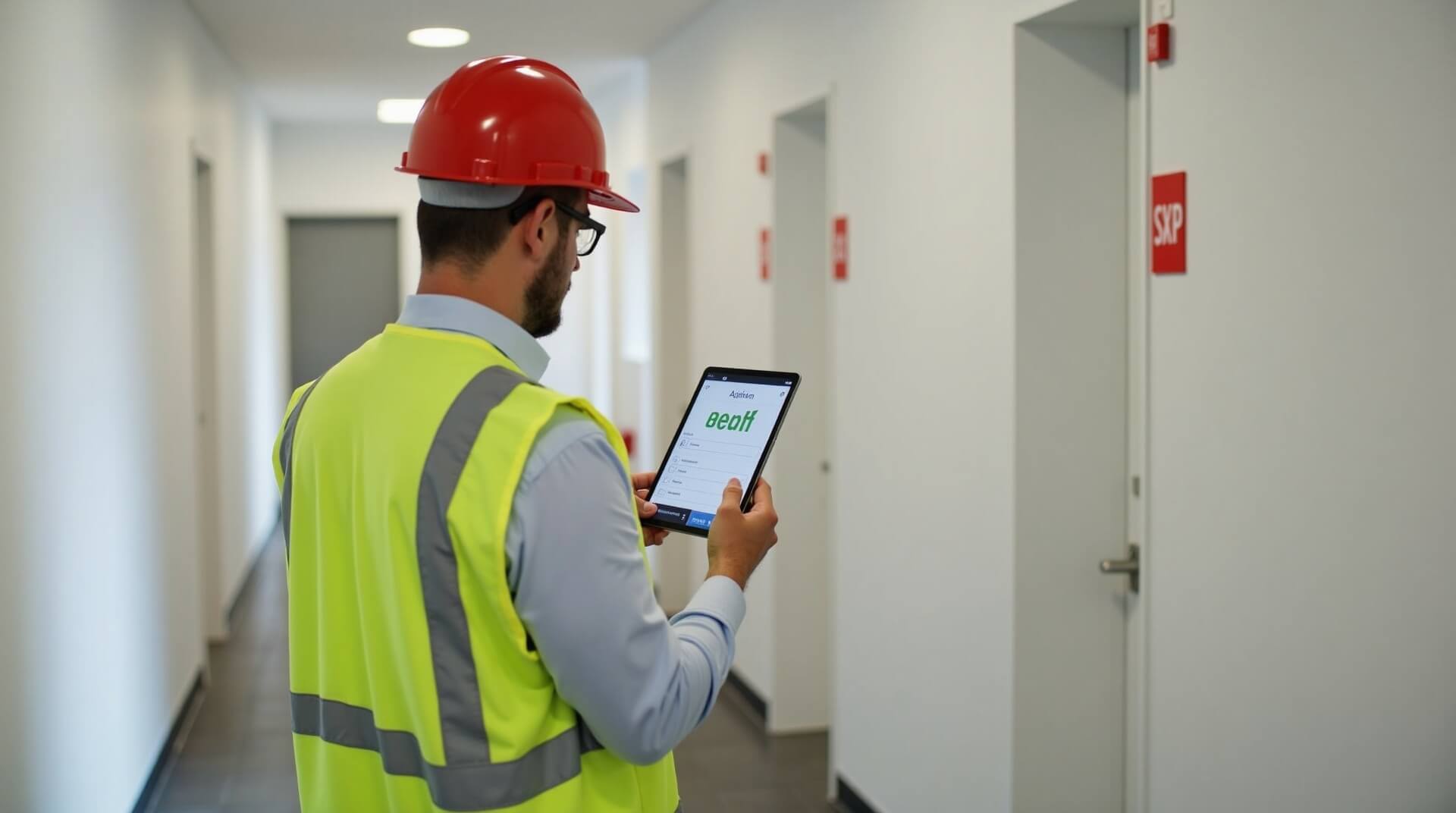
Fire Safety Compliance Under the Building Safety Act: A Guide for UK Property Managers
The Building Safety Act 2022 has transformed fire safety compliance requirements for UK property managers. Understanding these new obligations is crucial for managing agents and landlords overseeing residential buildings.

David Okafor
Safety & Compliance Editor · Fire Safety & Building Regulations

The Building Safety Act 2022 represents the most significant overhaul of building safety legislation in England for decades. Following the Grenfell Tower tragedy, this comprehensive reform has fundamentally changed how property managers must approach fire safety compliance, particularly for high-rise residential buildings.
For managing agents, landlords, and block managers, understanding these new requirements isn't just about legal compliance—it's about ensuring the safety of residents and avoiding potentially devastating consequences.
Understanding the Building Safety Act Framework
The Building Safety Act introduces a new regulatory framework that applies to buildings over 18 metres in height or containing seven or more storeys. These "higher-risk buildings" (HRBs) are subject to enhanced safety requirements throughout their lifecycle, from design and construction through to occupation.
The Act establishes three key gateway points for new buildings, but crucially for property managers, it also introduces ongoing duties for existing buildings through the Building Safety Regulator and new roles including the Accountable Person.
For buildings under the HRB threshold, the Regulatory Reform (Fire Safety) Order 2005 continues to apply, but with enhanced enforcement powers and clearer guidance following the Fire Safety Act 2021.
Key Compliance Requirements for Property Managers
Accountable Person Duties
Every HRB must have an Accountable Person—typically the freeholder or management company. This role carries significant responsibilities including:
- Registering the building with the Building Safety Regulator
- Conducting regular safety assessments
- Preparing and maintaining safety cases
- Establishing resident engagement strategies
- Reporting safety occurrences to the regulator
Managing agents often find themselves appointed as Accountable Persons, making understanding these duties essential for compliance.
Fire Risk Assessments and Safety Cases
The Act requires comprehensive fire risk assessments that go beyond previous requirements. For HRBs, these must be incorporated into broader safety cases that demonstrate how building safety risks are being managed.
Safety cases must be living documents, regularly updated to reflect changes in the building, its use, or relevant safety information. They should include:
- Building description and risk profile
- Safety management system
- Competency requirements for staff
- Resident engagement approach
- Mandatory occurrence reporting procedures
Enhanced Record-Keeping
The Act significantly strengthens record-keeping requirements. Property managers must maintain comprehensive documentation including:
- Building plans and specifications
- Fire safety equipment testing records
- Maintenance logs and safety inspections
- Resident complaints and their resolution
- Safety occurrence reports
Modern property management platforms like WiseBlock can help streamline this documentation process, ensuring all safety records are properly maintained and easily accessible for regulatory inspections.
Practical Steps for Compliance
Immediate Actions
Property managers should begin by conducting a thorough review of their building portfolio to identify which properties fall under the new requirements. For HRBs, registration with the Building Safety Regulator is mandatory and should be prioritised.
Existing fire risk assessments should be reviewed to ensure they meet the enhanced standards. This often requires engaging competent fire safety professionals who understand the new regulatory environment.
Building Safety Management Systems
Developing robust safety management systems is crucial. These should outline:
- Clear governance structures and accountability
- Competency requirements for all personnel
- Regular monitoring and review processes
- Incident reporting and response procedures
- Resident communication protocols
The Institute of Residential Property Management (IRPM) and Association of Residential Managing Agents (ARMA) have published guidance to help property managers develop appropriate systems.
Resident Engagement
The Act places new emphasis on resident engagement, requiring Accountable Persons to establish effective communication channels. This includes:
- Providing residents with building safety information
- Establishing complaint procedures
- Creating resident panels for higher-risk buildings
- Regular safety communications and updates
Enforcement and Penalties
The Building Safety Regulator has significant enforcement powers, including the ability to issue compliance notices, stop notices, and pursue criminal prosecutions. Penalties for non-compliance can include unlimited fines and up to two years' imprisonment for serious offences.
The Health and Safety Executive (HSE), which houses the Building Safety Regulator, has indicated it will take a proportionate but firm approach to enforcement, focusing on the most serious risks first.
"The new regime isn't just about ticking boxes—it's about creating a culture of safety that puts residents first," notes a recent HSE publication on building safety enforcement.
Technology and Compliance Management
Managing the complex requirements of the Building Safety Act requires sophisticated record-keeping and communication systems. Digital platforms can help property managers:
- Maintain comprehensive safety documentation
- Track compliance deadlines and requirements
- Facilitate resident communication
- Generate required reports for regulators
Platforms like WiseBlock offer integrated solutions that can help managing agents stay on top of their compliance obligations while improving operational efficiency.
Looking Forward: Building a Safety-First Culture
The Building Safety Act represents more than regulatory change—it's a fundamental shift towards a safety-first culture in UK property management. Success requires ongoing commitment to:
- Continuous professional development and training
- Regular review and improvement of safety systems
- Proactive resident engagement
- Investment in appropriate technology and resources
Property managers who embrace these changes and view them as opportunities to improve their service delivery will not only achieve compliance but also enhance their reputation and competitive position in the market.
The transition period is ongoing, but the direction is clear: building safety is now a top priority, and property managers must adapt their practices accordingly. By taking proactive steps now, managing agents and landlords can ensure they're well-positioned for the new regulatory environment while, most importantly, keeping their residents safe.
Ready to modernise your property management?
See how WiseBlock can transform your operations with a free 30-minute demo.
Schedule a Demo