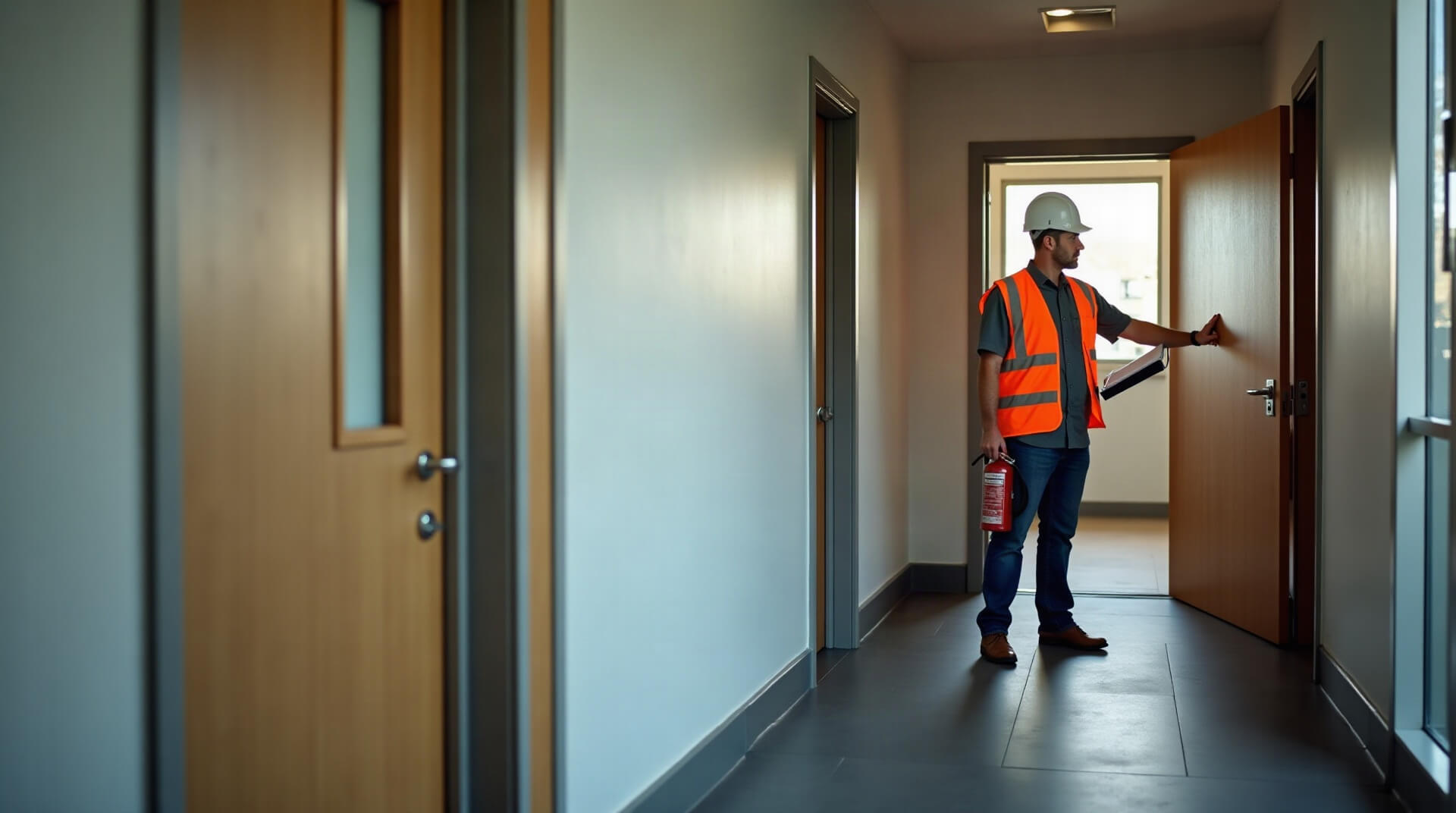

Fire Risk Assessment Types: Requirements and Common Pitfalls to Avoid
Understanding the different types of fire risk assessments, their legal requirements, and the costly mistakes property managers frequently make when conducting or commissioning these critical safety evaluations.

James Crawford
Technology Correspondent · PropTech & Innovation

Fire risk assessments are a legal cornerstone of building safety management in the UK, yet they remain one of the most misunderstood aspects of property compliance. With the Fire Safety Act 2021 and Building Safety Act 2022 introducing stricter requirements, property managers must understand not only what assessments are needed but how to execute them properly.
The consequences of inadequate fire risk assessments extend far beyond regulatory fines. Poor assessments can lead to preventable tragedies, substantial legal liability, and significant financial losses. This comprehensive guide explores the different types of fire risk assessments, their specific requirements, and the critical mistakes that could compromise your building's safety and your professional reputation.
Understanding Fire Risk Assessment Categories
Fire risk assessments in the UK fall into several distinct categories, each serving different purposes and regulatory requirements. The most fundamental distinction lies between Type 1, Type 2, Type 3, and Type 4 assessments, as defined by PAS 79:2020 (Code of practice for fire risk assessments in buildings).
Type 1 assessments are non-destructive evaluations focusing on common areas and fire safety measures affecting means of escape. These are suitable for most residential blocks where a 'stay put' policy is appropriate and the building's fire safety strategy is functioning as designed.
Type 2 assessments involve limited intrusive investigation, potentially including opening ceiling voids or examining hidden areas where fire safety concerns exist. These become necessary when Type 1 assessments identify potential issues requiring deeper investigation.
Type 3 assessments require extensive intrusive investigation, often involving structural opening and detailed examination of building fabric. These are typically required following incidents, significant alterations, or where serious defects are suspected.
Type 4 assessments are the most comprehensive, involving destructive investigation and detailed analysis. These are usually commissioned following fires, major safety incidents, or when fundamental building safety issues are discovered.
Legal Requirements and Frequency
The Regulatory Reform (Fire Safety) Order 2005 mandates that responsible persons must ensure fire risk assessments are conducted and regularly reviewed. However, the legislation doesn't specify exact frequencies, leading to confusion among property managers.
For residential buildings, annual reviews are generally considered best practice, though higher-risk properties may require more frequent assessments. Student accommodation, sheltered housing, and buildings with vulnerable residents typically need assessments every six months.
The Fire Safety Act 2021 extended requirements to include flat entrance doors, external walls, and any common parts adjacent to flats. This means assessments must now consider the fire safety performance of the entire building envelope, not just traditional common areas.
Following the Building Safety Act 2022, Higher-Risk Buildings (those over 18 metres or seven storeys with two or more residential units) face enhanced requirements. These buildings must have building safety managers who ensure fire risk assessments meet the heightened standards expected by the Building Safety Regulator.
"The shift towards more comprehensive fire risk assessments reflects lessons learned from Grenfell and other tragedies. Property managers can no longer treat these as tick-box exercises." - Building Safety Regulator guidance
Common Assessment Mistakes
One of the most frequent errors is commissioning the wrong type of assessment. Many property managers default to Type 1 assessments without properly evaluating whether their building's circumstances warrant deeper investigation. Buildings with aluminium composite material (ACM) cladding, recent fire safety incidents, or significant building alterations almost certainly require Type 2 or higher assessments.
Another critical mistake involves assessor competency. Not all fire risk assessors possess the qualifications necessary for complex residential buildings. The Fire Risk Assessment Competency Council (FRACC) provides competency frameworks, yet many property managers fail to verify their assessor's credentials match their building's complexity.
Documentation failures represent another significant pitfall. Assessments that lack detailed action plans, fail to prioritise recommendations correctly, or don't clearly identify responsible parties create compliance gaps and operational confusion. Modern platforms like WiseBlock help property managers track assessment actions systematically, ensuring nothing falls through administrative cracks.
Many assessments also fail to consider building modifications adequately. Changes to flat layouts, new security installations, or alterations to common areas can fundamentally affect fire safety strategies. Assessments that don't account for these changes may provide false assurance about the building's safety levels.
Integration with Building Safety Management
Fire risk assessments cannot exist in isolation from broader building safety management. They must integrate with health and safety policies, emergency procedures, and ongoing maintenance programmes. This integration becomes particularly crucial under the new building safety regime, where safety cases must demonstrate comprehensive risk management approaches.
Effective integration requires clear communication channels between assessors, property managers, and residents. Assessment findings must translate into actionable maintenance schedules, resident communication programmes, and emergency procedure updates. Digital platforms increasingly facilitate this integration, allowing seamless coordination between different safety management aspects.
Regular training for property management staff ensures they understand assessment findings and can implement recommendations effectively. This training should cover legal requirements, technical interpretations, and practical implementation strategies.
Quality Assurance and Review Processes
Establishing robust quality assurance processes helps prevent assessment errors and ensures consistent standards. This includes developing clear brief specifications for assessors, implementing review procedures for completed assessments, and maintaining comprehensive records of all safety management activities.
Peer review processes can identify potential oversights or inconsistencies in assessment approaches. Some property management companies establish internal review panels or engage independent consultants to validate critical assessments.
Regular benchmarking against industry standards and guidance from bodies like the Fire Industry Association (FIA) and Institution of Fire Engineers (IFE) ensures assessment practices remain current with evolving best practices and regulatory expectations.
Technology solutions increasingly support quality assurance processes. Digital platforms can standardise assessment templates, automate compliance tracking, and provide audit trails demonstrating systematic approaches to fire safety management.
Future-Proofing Fire Risk Management
The regulatory landscape continues evolving, with consultation ongoing regarding further building safety enhancements. Property managers must develop assessment strategies that adapt to changing requirements while maintaining consistent safety standards.
Investment in competent assessors, robust processes, and integrated safety management systems provides the foundation for effective fire risk management. As the industry moves towards more sophisticated digital solutions, early adoption of platforms like WiseBlock positions property managers to meet future regulatory challenges efficiently.
The cost of comprehensive fire risk assessments pales compared to the potential consequences of inadequate safety management. By understanding assessment types, avoiding common mistakes, and implementing systematic approaches, property managers can ensure their buildings meet both current legal requirements and residents' safety expectations.
Remember: fire risk assessments are living documents requiring regular review and update. They represent the starting point for ongoing safety management, not the end goal. Professional competence, systematic processes, and integrated technology solutions provide the framework for effective fire safety management in an increasingly complex regulatory environment.
Ready to modernise your property management?
See how WiseBlock can transform your operations with a free 30-minute demo.
Schedule a Demo