
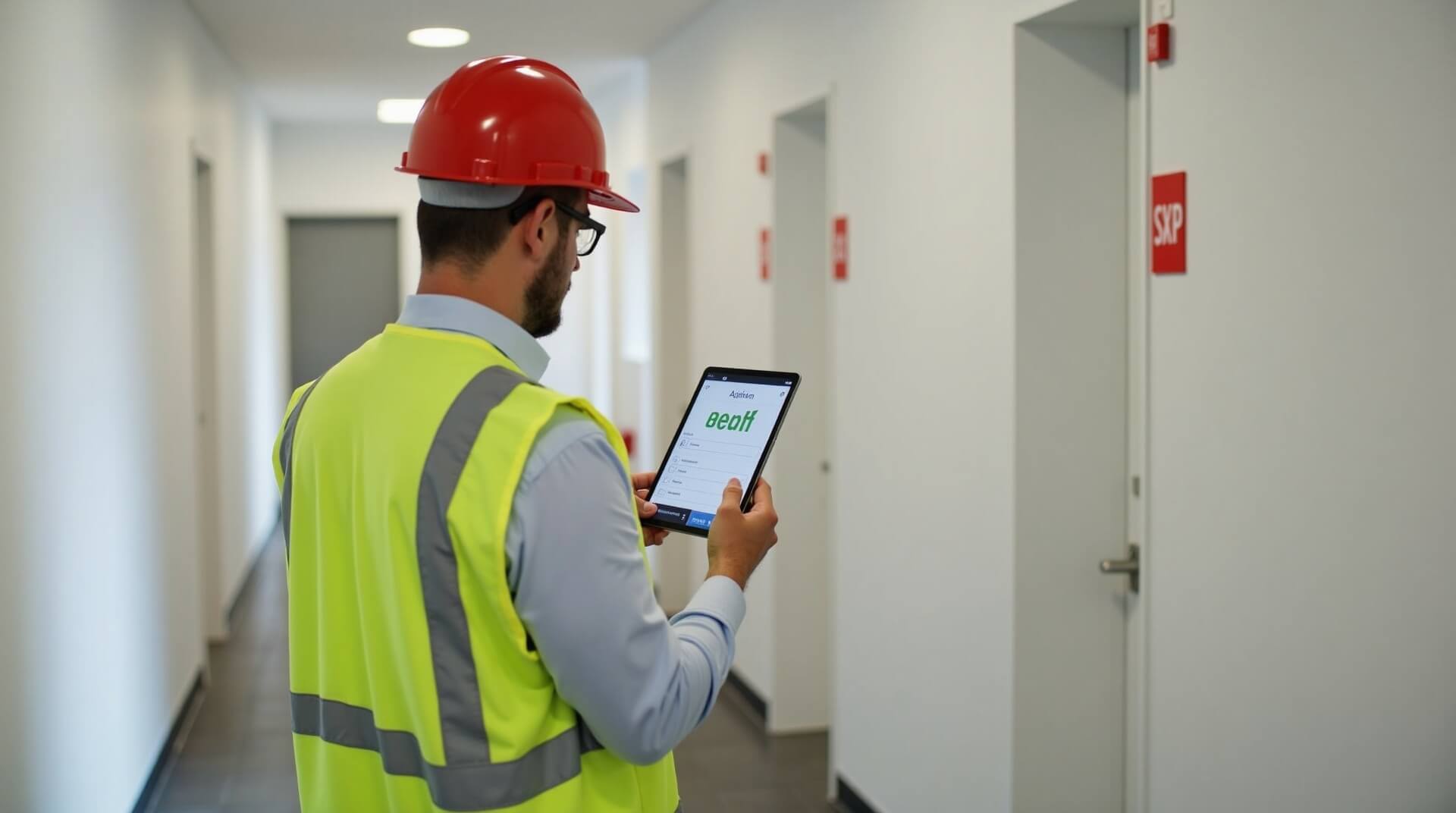
Emergency Planning and Evacuation Procedures for Residential Blocks
Comprehensive emergency planning and clear evacuation procedures are essential for protecting residents and ensuring compliance with UK building safety regulations in multi-occupancy properties.

James Crawford
Technology Correspondent · PropTech & Innovation

In the wake of the Grenfell tragedy and subsequent Building Safety Act 2022, emergency planning and evacuation procedures have become paramount concerns for those managing residential blocks across the UK. The responsibility for resident safety extends far beyond basic fire safety measures, requiring comprehensive planning that accounts for various emergency scenarios and the diverse needs of all occupants.
For managing agents, landlords, and block managers, developing robust emergency procedures isn't just about regulatory compliance—it's about creating a framework that could save lives when every second counts.
Legal Framework and Compliance Requirements
The Regulatory Reform (Fire Safety) Order 2005 places a legal duty on the "responsible person" to ensure adequate fire safety measures, including emergency plans and evacuation procedures. Following the Building Safety Act 2022, these responsibilities have been significantly enhanced, particularly for buildings over 18 metres or seven storeys.
Under the new regime, Accountable Persons must demonstrate they have suitable and sufficient emergency procedures in place. This includes:
- Written emergency action plans covering fire and other emergencies
- Clear evacuation strategies appropriate to the building's design and occupancy
- Regular review and testing of procedures
- Provision for residents with mobility impairments or other vulnerabilities
- Coordination with emergency services
The Fire and Rescue Services Act 2004 also requires local fire authorities to provide guidance on emergency planning, making collaboration with your local fire service essential for developing effective procedures.
Developing Comprehensive Emergency Plans
An effective emergency plan must be tailored to your specific building and resident profile. The plan should address multiple scenarios beyond fire, including gas leaks, flooding, severe weather, and security incidents.
Risk Assessment Foundation: Begin with a thorough risk assessment that considers the building's construction, layout, and occupancy patterns. Identify potential hazards, vulnerable residents, and evacuation challenges specific to your property.
Multi-Scenario Planning: While fire evacuation often takes precedence, your emergency plan should cover:
- Fire and smoke incidents
- Gas leaks and utility failures
- Structural emergencies
- Severe weather events
- Security threats or criminal activity
- Medical emergencies in common areas
Modern property management platforms like WiseBlock can help streamline emergency planning by maintaining up-to-date resident databases and communication channels, ensuring rapid dissemination of emergency information when required.
Evacuation Strategies and Procedures
The choice of evacuation strategy depends on building design, occupancy, and fire safety systems. The three primary strategies are:
Simultaneous Evacuation: All residents evacuate immediately upon alarm activation. This is typically used in smaller, lower-risk buildings where rapid evacuation is feasible.
Progressive Evacuation: Residents evacuate in stages, beginning with those in immediate danger areas, then adjacent zones. This approach is common in larger buildings with good compartmentation.
Stay Put Strategy: Residents remain in their flats unless directly affected by fire, relying on compartmentation to contain incidents. This strategy requires robust fire doors, effective compartmentation, and clear communication about when to evacuate.
Following recent regulatory changes and fire service recommendations, many buildings are moving away from blanket "stay put" policies towards more dynamic approaches that can adapt based on incident severity and building performance.
Special Considerations for Vulnerable Residents
Your emergency plans must account for residents with mobility impairments, sensory disabilities, or other vulnerabilities. This includes:
- Personal Emergency Evacuation Plans (PEEPs) for individuals requiring assistance
- Identification of refuge areas or safe zones
- Buddy systems or warden schemes for mutual assistance
- Alternative communication methods (visual alarms, vibrating devices)
- Clear procedures for emergency service notification about vulnerable residents
Communication Systems and Procedures
Effective emergency communication requires multiple channels and clear messaging protocols. Your communication strategy should include:
Primary Alert Systems: Fire alarms, emergency lighting, and public address systems provide immediate notification. Ensure these systems are regularly tested and meet current British Standards.
Secondary Communication: Digital platforms, mobile alerts, and door-to-door notification provide additional layers of communication, particularly useful for non-fire emergencies.
Information Management: Maintain current contact details for all residents and establish clear protocols for emergency service liaison. Platforms like WiseBlock can help maintain these databases and facilitate rapid communication during incidents.
Multi-Language Considerations: In diverse residential communities, consider providing emergency information in multiple languages and using universal symbols where possible.
Training, Drills, and Ongoing Management
Even the best-designed emergency plan is ineffective without proper implementation and regular practice. Establish a comprehensive training and testing programme that includes:
Staff Training: Ensure all management staff, concierge personnel, and maintenance teams understand their roles during emergencies. This includes evacuation procedures, communication protocols, and coordination with emergency services.
Resident Education: Regular communication about emergency procedures through newsletters, meetings, and digital platforms helps ensure residents understand their responsibilities and evacuation routes.
Emergency Drills: While full evacuation drills may not always be practical in residential settings, consider partial drills, desktop exercises, and communication tests to validate your procedures.
Plan Review and Updates: Emergency plans should be reviewed annually and updated following any building alterations, significant incidents, or changes in emergency service guidance. Document all changes and ensure stakeholders are informed.
Coordination with Emergency Services
Establish relationships with local emergency services before incidents occur. Provide fire services with building plans, key holder information, and details of any special risks or vulnerable residents. Many fire services offer consultation visits to review emergency plans and provide practical guidance.
"The effectiveness of emergency planning isn't measured in the documents you create, but in the lives you protect when those plans are put to the test. Regular review, resident engagement, and professional coordination are the foundations of truly effective emergency preparedness."
Technology and Modern Emergency Management
Contemporary property management increasingly relies on technology to enhance emergency preparedness. Smart building systems can provide real-time monitoring of fire safety equipment, while digital communication platforms enable rapid notification and coordination.
Consider integrating:
- Smart fire detection and alarm systems with remote monitoring
- Digital emergency communication platforms
- Building management systems that can assist emergency services
- Mobile applications for resident emergency information
The investment in comprehensive emergency planning pays dividends not only in regulatory compliance but in the peace of mind that comes from knowing you've taken every reasonable step to protect your residents. In an era of heightened building safety awareness, thorough emergency preparedness isn't just best practice—it's an essential responsibility that defines professional property management.
Ready to modernise your property management?
See how WiseBlock can transform your operations with a free 30-minute demo.
Schedule a Demo