
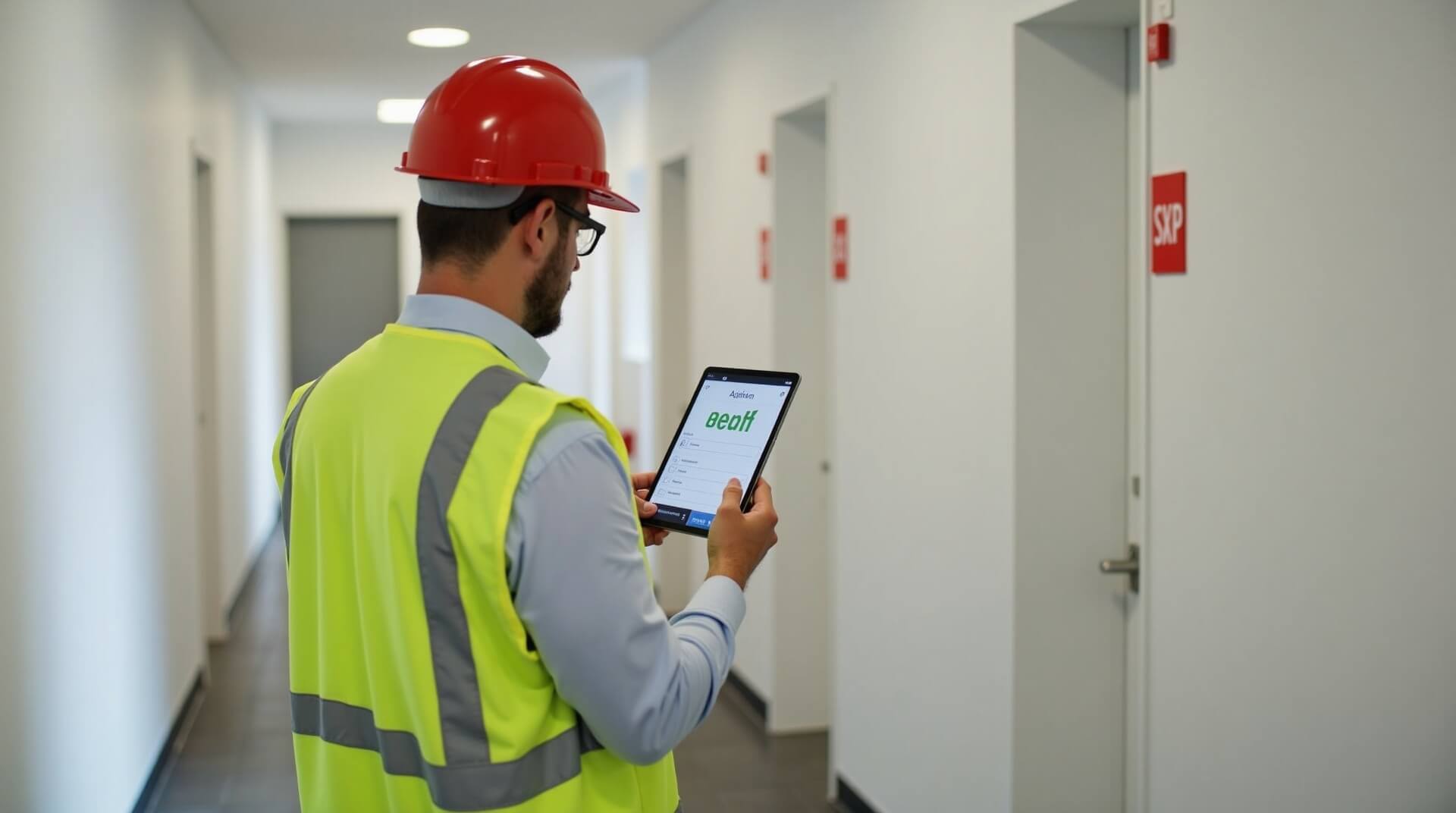
Section 20 Consultation Requirements: A Complete Guide for Managing Agents
Understanding Section 20 consultation requirements is crucial for managing agents to ensure compliance and avoid costly disputes with leaseholders over major works and long-term agreements.

Sarah Mitchell
Senior Editor · Legislation & Compliance

Section 20 of the Landlord and Tenant Act 1985 represents one of the most critical pieces of legislation affecting property management in England and Wales. For managing agents, understanding these consultation requirements isn't just about legal compliance—it's about maintaining positive leaseholder relationships and avoiding potentially expensive disputes.
The legislation requires landlords and their managing agents to consult leaseholders before undertaking qualifying works costing more than £250 per leaseholder, or entering into qualifying long-term agreements where costs exceed £100 per leaseholder annually. Failure to follow the correct process can result in leaseholders' service charge liability being capped at these threshold amounts.
When Section 20 Consultation is Required
Section 20 consultation becomes mandatory in two specific circumstances:
Qualifying Works: Any works to a building or other premises where the contribution of any leaseholder towards the costs exceeds £250. This includes major repairs, improvements, maintenance work, and even some emergency repairs if costs are significant.
Qualifying Long-Term Agreements: Agreements lasting more than 12 months where any leaseholder's annual contribution exceeds £100. This typically covers contracts for services such as cleaning, gardening, lift maintenance, or management agreements.
It's important to note that these thresholds apply per leaseholder, not per property. In developments with multiple flats per leaseholder, the calculation must account for their total liability across all units.
The Two-Stage Consultation Process
The standard Section 20 consultation follows a prescribed two-stage process with specific timescales that must be strictly observed.
Stage 1: Notice of Intention
The first stage involves serving a Notice of Intention on all leaseholders at least 30 days before seeking estimates. This notice must:
- Describe the proposed works in sufficient detail
- State reasons why the works are necessary
- Invite leaseholders to make observations within 30 days
- Invite nominations of contractors from whom estimates should be obtained
The description doesn't need to be exhaustively detailed, but it must be sufficient for leaseholders to understand the scope and nature of the proposed works. Generic descriptions like "repairs to the building" are unlikely to satisfy the requirements.
Stage 2: Notice of Estimates
After the 30-day consultation period, managing agents must obtain at least two estimates (including any contractor nominated by leaseholders) and serve a Notice of Estimates. This second notice must:
- Include a summary of observations received and landlord's response
- Provide details of estimates received
- State which estimate the landlord intends to accept and reasons why
- Allow another 30 days for leaseholder observations
If a leaseholder has nominated a contractor, that contractor must be invited to tender unless the landlord can demonstrate they are unsuitable.
Dispensation and Emergency Situations
The First-tier Tribunal (Property Chamber) has powers under Section 20ZA to grant dispensation from consultation requirements where it would be reasonable to do so. Applications are typically granted where:
- Emergency works are required to prevent damage or danger
- Consultation would cause unreasonable delay
- Leaseholders suffer no prejudice from the lack of consultation
However, dispensation isn't automatically granted, and managing agents must still demonstrate that the works are necessary and costs are reasonable. The tribunal may impose conditions, such as providing additional information to leaseholders or obtaining retrospective estimates.
For genuine emergencies posing immediate risk to health and safety, works can proceed without consultation, but dispensation should be sought as soon as reasonably practicable.
Digital Consultation and Modern Practice
While the legislation predates digital communication, courts have accepted electronic service of Section 20 notices provided proper delivery can be demonstrated. Modern property management platforms like WiseBlock enable managing agents to maintain comprehensive consultation records, track deadlines, and ensure all statutory requirements are met through integrated compliance tools.
Best practice involves maintaining detailed records of all consultations, including:
- Proof of service for all notices
- Copies of all estimates obtained
- Records of leaseholder observations and responses
- Evidence supporting contractor selection decisions
Common Pitfalls and Compliance Tips
Several common errors can invalidate Section 20 consultations and leave managing agents exposed to service charge challenges:
Inadequate Descriptions: Vague or generic work descriptions that don't allow leaseholders to provide meaningful input will likely fail the consultation test.
Premature Contractor Appointment: Appointing contractors or commencing works before completing the full consultation process invalidates the procedure.
Ignoring Nominations: Failing to consider leaseholder-nominated contractors without valid reasons can render the consultation defective.
Timing Errors: The 30-day periods are minimums—rushing the process or failing to allow sufficient time for responses creates compliance risks.
Managing agents should also be aware that consultation requirements apply even when using framework agreements or preferred contractor lists. Each specific project typically requires fresh consultation unless covered by a previously consulted qualifying long-term agreement.
"Section 20 compliance isn't just about following a process—it's about respecting leaseholders' rights to participate in decisions affecting their service charges and ensuring transparency in property management."
Understanding and correctly implementing Section 20 consultation requirements protects both landlords and managing agents from costly disputes while fostering positive relationships with leaseholders. With proper planning, clear communication, and robust record-keeping, the consultation process becomes a valuable tool for transparent and effective property management rather than merely a regulatory burden.
Ready to modernise your property management?
See how WiseBlock can transform your operations with a free 30-minute demo.
Schedule a Demo