
Right to Manage: Empowering Leaseholders in Property Management
The Right to Manage legislation gives leaseholders unprecedented control over their building's management, but navigating the process requires careful planning and understanding of legal requirements.

Sarah Mitchell
Senior Editor · Legislation & Compliance

The Right to Manage (RTM) has fundamentally transformed the landscape of leasehold property management in England and Wales. Introduced through the Commonhold and Leasehold Reform Act 2002, this legislation empowers leaseholders to take control of their building's management without having to prove fault with their current managing agent or freeholder. For many leaseholders, RTM represents the ultimate expression of self-determination in property management.
Understanding the Right to Manage
Right to Manage allows qualifying leaseholders to collectively acquire the right to manage their building through a Right to Manage Company (RTM Company). Unlike other leasehold enfranchisement rights, RTM doesn't require leaseholders to purchase the freehold or demonstrate management failures. The legislation recognises that leaseholders, as the primary stakeholders in a building's wellbeing, should have the opportunity to take direct control of management decisions.
The RTM Company becomes responsible for all management functions previously handled by the freeholder or their appointed managing agent, including maintenance, insurance, service charge collection, and compliance with health and safety regulations. This transfer of responsibility represents a significant shift in the traditional landlord-tenant relationship.
Eligibility Criteria and Qualifying Buildings
Not all buildings qualify for RTM, and the legislation sets out specific criteria that must be met. The building must be self-contained with at least two flats, and at least two-thirds of the flats must be held by qualifying tenants on long leases (originally granted for more than 21 years). Crucially, no more than 25% of the internal floor area can be occupied for non-residential purposes.
Mixed-use developments present particular challenges, as the commercial element must not exceed the 25% threshold. Buildings with significant commercial components, such as shopping centres with residential flats above, typically won't qualify for RTM. However, buildings with small ground-floor retail units or professional offices often do qualify, provided the residential element dominates.
The concept of "self-contained" also requires careful consideration. The building must be structurally detached or separated from other buildings, though this can include purpose-built blocks and converted properties that form a distinct structural unit.
The RTM Process: From Application to Acquisition
The RTM process follows a prescribed legal framework with strict timescales and procedural requirements. Initially, participating leaseholders must establish an RTM Company, which must be a private company limited by guarantee with specific constitutional requirements. The company's memorandum and articles of association must comply with prescribed forms set out in regulations.
Once the RTM Company is established, it must serve a claim notice on the freeholder and any intermediate landlords. This notice must specify the premises, provide evidence of the company's qualification, and include an invitation to participate for non-participating qualifying tenants. The notice triggers a statutory process with defined response periods.
The freeholder has one month to serve a counter-notice, either admitting the claim or challenging it on specified grounds. Common grounds for challenge include disputes over building qualification, the validity of the RTM Company, or procedural failures in the claim process. If no counter-notice is served, the claim is deemed admitted.
Where disputes arise, the matter proceeds to the First-tier Tribunal (Property Chamber), which has jurisdiction to determine RTM disputes. The tribunal will examine technical compliance with the legislation and resolve factual disputes about building qualification or procedural requirements.
Benefits and Challenges of RTM
RTM offers leaseholders unprecedented control over their building's management, potentially leading to improved service delivery, cost transparency, and responsiveness to residents' needs. Leaseholders can select their preferred managing agent, negotiate contracts directly, and prioritise maintenance and improvement works according to their collective preferences.
Cost control represents a significant advantage, as the RTM Company can scrutinise expenditure, obtain competitive quotes, and eliminate profit margins typically included in freeholder-managed properties. This direct control often results in more efficient service charge management and better value for money.
However, RTM also brings substantial responsibilities. The RTM Company becomes liable for health and safety compliance, including fire safety under the Regulatory Reform (Fire Safety) Order 2005 and building safety requirements under the Building Safety Act 2022. Directors must understand their duties under company law and ensure appropriate insurance coverage.
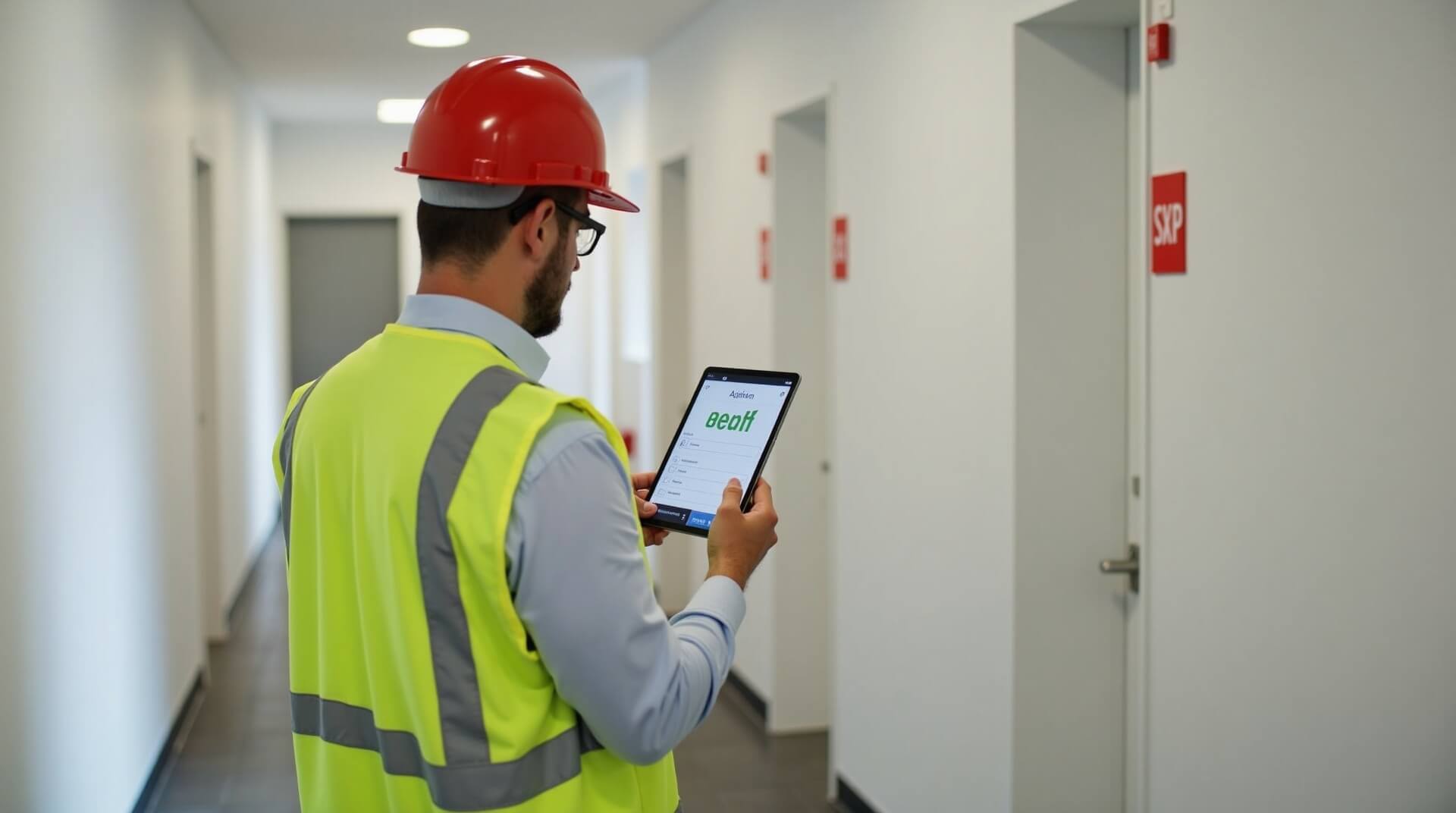
Modern property management platforms like WiseBlock can significantly ease the administrative burden by providing digital tools for service charge management, maintenance coordination, and regulatory compliance tracking, helping RTM Companies operate more efficiently.
Best Practices for Successful RTM
Successful RTM implementation requires careful planning and ongoing commitment from participating leaseholders. Before initiating the process, leaseholders should thoroughly assess their building's management needs and ensure sufficient expertise within the group to oversee complex management functions.
Professional advice is essential, particularly for legal compliance and procedural requirements. Solicitors specialising in leasehold law can guide the claim process, while chartered surveyors can advise on technical building management requirements and help establish appropriate reserve fund levels.
Financial planning is crucial, as the RTM Company must fund initial setup costs, ongoing management expenses, and potential major works. Leaseholders should prepare detailed budgets and ensure adequate reserves for both routine maintenance and unexpected repairs.
Communication remains vital throughout the process and beyond. Regular meetings, transparent financial reporting, and clear decision-making procedures help maintain leaseholder engagement and prevent disputes that could undermine the RTM Company's effectiveness.
The key to successful Right to Manage is thorough preparation, professional guidance, and ongoing commitment to transparent, accountable management practices.
Right to Manage represents a powerful tool for leaseholder empowerment, but success depends on careful implementation and ongoing professional management. With proper planning and the right support systems, RTM can deliver the improved management outcomes that many leaseholders seek, while ensuring compliance with the complex legal framework governing leasehold property management.
Ready to modernise your property management?
See how WiseBlock can transform your operations with a free 30-minute demo.
Schedule a Demo