
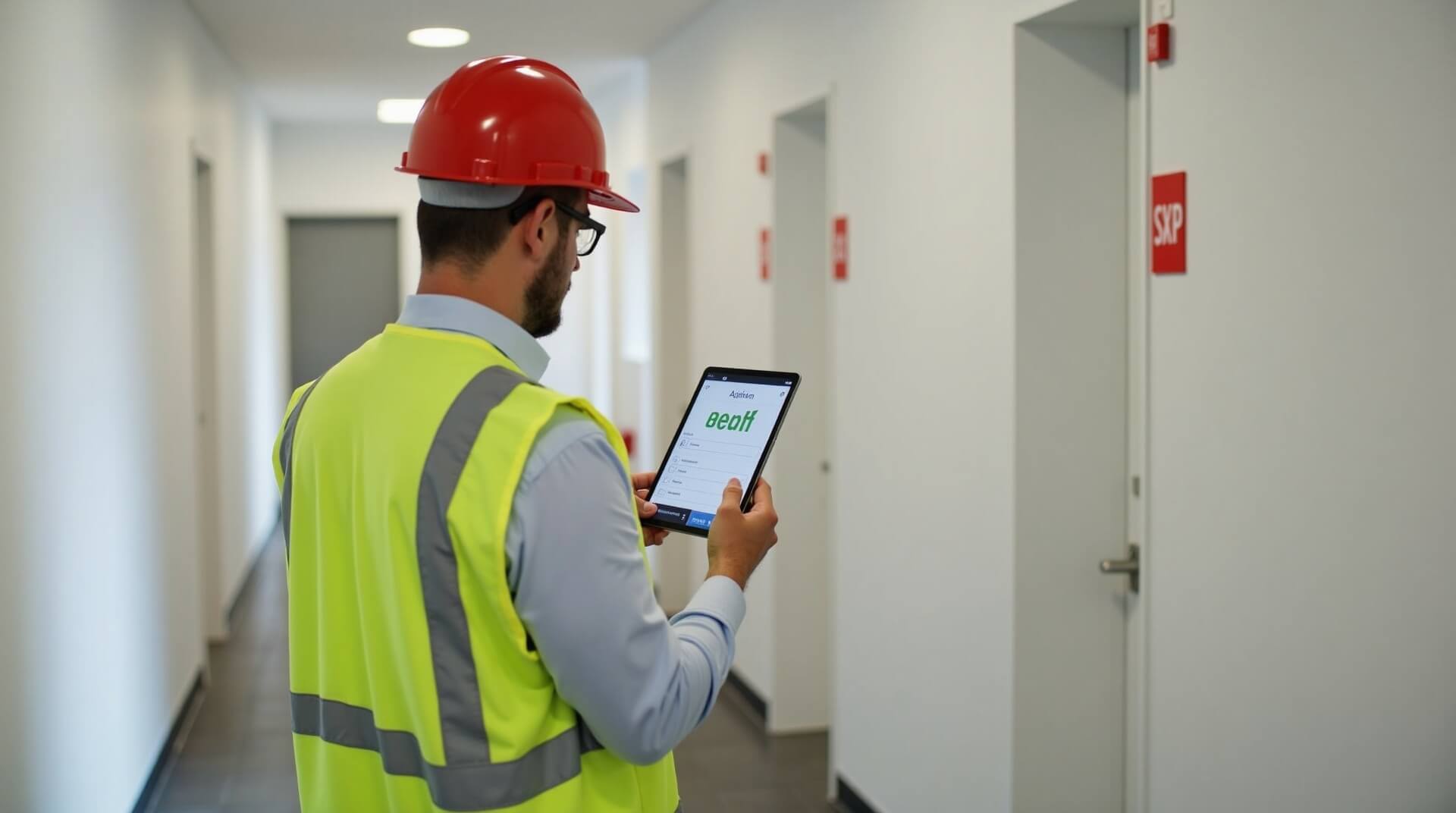
GDPR Compliance for UK Property Management: Essential Guide
UK property management companies must navigate complex GDPR requirements when handling tenant, leaseholder, and contractor data. Understanding your obligations is crucial for avoiding hefty fines and maintaining trust.

David Okafor
Safety & Compliance Editor · Fire Safety & Building Regulations

The General Data Protection Regulation (GDPR) has fundamentally transformed how UK property management companies must handle personal data. With potential fines reaching £17.5 million or 4% of annual turnover—whichever is higher—compliance isn't optional. For managing agents, landlords, and block managers, understanding GDPR requirements is essential for protecting both your business and the individuals whose data you process.
Property management involves handling vast amounts of personal data daily, from tenant contact details and financial information to contractor records and maintenance histories. This comprehensive guide examines the specific GDPR obligations facing UK property management companies and provides practical steps to ensure compliance.
Understanding GDPR in the Property Management Context
Under GDPR, property management companies typically act as data controllers when determining how and why personal data is processed. This includes decisions about collecting tenant applications, storing leaseholder information, or sharing data with contractors and service providers.
The regulation applies to any personal data that can identify a living individual, including:
- Names, addresses, and contact details
- Financial information and payment histories
- Emergency contact details
- CCTV footage showing identifiable individuals
- Maintenance records linked to specific properties
- Digital access codes and key holder information
Property managers must establish lawful bases for processing this data. The most common lawful bases in property management include contractual necessity (for tenant agreements), legitimate interests (for property maintenance), and legal obligation (for compliance with housing regulations).
Key GDPR Obligations for Property Managers
Privacy Notices and Transparency
You must provide clear, accessible privacy notices explaining what personal data you collect, how it's used, and individuals' rights. These notices should be provided at the point of data collection—whether during tenant applications, leaseholder registration, or contractor onboarding.
Data Subject Rights
Individuals have eight key rights under GDPR, including the right to access their data, request corrections, and in some cases, request erasure. Property managers must have processes to respond to these requests within one month. However, certain rights may be limited where data is required for legal compliance, such as maintaining financial records for tax purposes.
Data Retention and Disposal
GDPR requires that personal data is kept only as long as necessary for the purposes it was collected. Property managers should establish clear retention schedules, particularly important given the long-term nature of property relationships. Tenant data might be retained for six years after tenancy end for tax purposes, whilst contractor information may only need retention during active service periods.
Specific Compliance Challenges in Property Management
Third-Party Data Sharing
Property management involves extensive data sharing with contractors, utility companies, local authorities, and service providers. Each sharing arrangement requires a lawful basis and appropriate safeguards. When using contractors as data processors, written agreements must specify their data protection obligations.
CCTV and Security Systems
Surveillance systems in residential blocks raise particular GDPR concerns. Cameras must be positioned to avoid capturing unnecessary personal data, and clear signage must inform individuals about recording. Access to footage should be restricted and logs maintained of who accesses recordings and why.
Emergency Contact Information
Whilst emergency contacts are often necessary for property management, their data rights must also be respected. These individuals should be informed that their details are held and for what purposes, even though they aren't the primary data subject.
Building a GDPR-Compliant Property Management System
Data Audits and Mapping
Begin with a comprehensive audit of all personal data your organisation processes. Document data flows, identify lawful bases, and assess retention requirements. This mapping exercise forms the foundation of your compliance strategy.
Staff Training and Procedures
Regular staff training ensures everyone understands their data protection responsibilities. This includes recognising personal data, understanding when to obtain consent, and knowing how to respond to data subject requests.
Technology and Security Measures
Implement appropriate technical and organisational measures to protect personal data. This includes encryption for data in transit and at rest, regular security updates, and access controls ensuring staff only access data necessary for their roles. Modern property management platforms like WiseBlock incorporate privacy-by-design principles, helping ensure compliance through built-in security features and automated data management processes.
Data Protection Impact Assessments (DPIAs)
For high-risk processing activities, such as implementing new surveillance systems or sharing data with new service providers, conduct DPIAs to identify and mitigate privacy risks before implementation.
Practical Steps for Immediate Compliance
Start by reviewing your current privacy notices and ensuring they're easily accessible to tenants and leaseholders. Update your website, tenancy agreements, and service charge documentation to include clear privacy information.
Establish procedures for handling data subject requests, including designated points of contact and escalation processes. Create template responses and ensure your team can locate and extract personal data within required timeframes.
Review your data sharing agreements with contractors and service providers. Ensure contracts specify data protection obligations and include provisions for breach notification and data return or destruction upon contract termination.
Implement regular data cleansing processes to remove outdated or unnecessary personal data. This not only supports compliance but also improves data quality and system performance.
Remember that GDPR compliance is an ongoing process, not a one-time exercise. Regular reviews, staff training, and system updates are essential for maintaining compliance as your business evolves.
GDPR compliance in property management requires careful attention to detail and ongoing commitment. However, by understanding your obligations, implementing appropriate procedures, and utilising compliant technology solutions, you can protect both your business and the individuals whose data you handle. The investment in compliance pays dividends through reduced regulatory risk, enhanced tenant trust, and improved operational efficiency.
For property management companies seeking to streamline their GDPR compliance efforts, platforms like WiseBlock offer integrated solutions that help manage data protection requirements whilst supporting efficient property management operations. The key is choosing systems that embed privacy protection into everyday workflows rather than treating compliance as an afterthought.
Ready to modernise your property management?
See how WiseBlock can transform your operations with a free 30-minute demo.
Schedule a Demo